Macau’s tourism and entertainment industries have long driven urban construction and economic growth, yet rapid infrastructure development often comes into clear conflict with environmental protection, making it critical to strike a balance between the two. In this issue of New Macau, we focus on environmental protection, reviewing policy development, ecological conservation, implementation gaps, future directions, and exploring how Macau can advance a green transition despite its limited land resources.
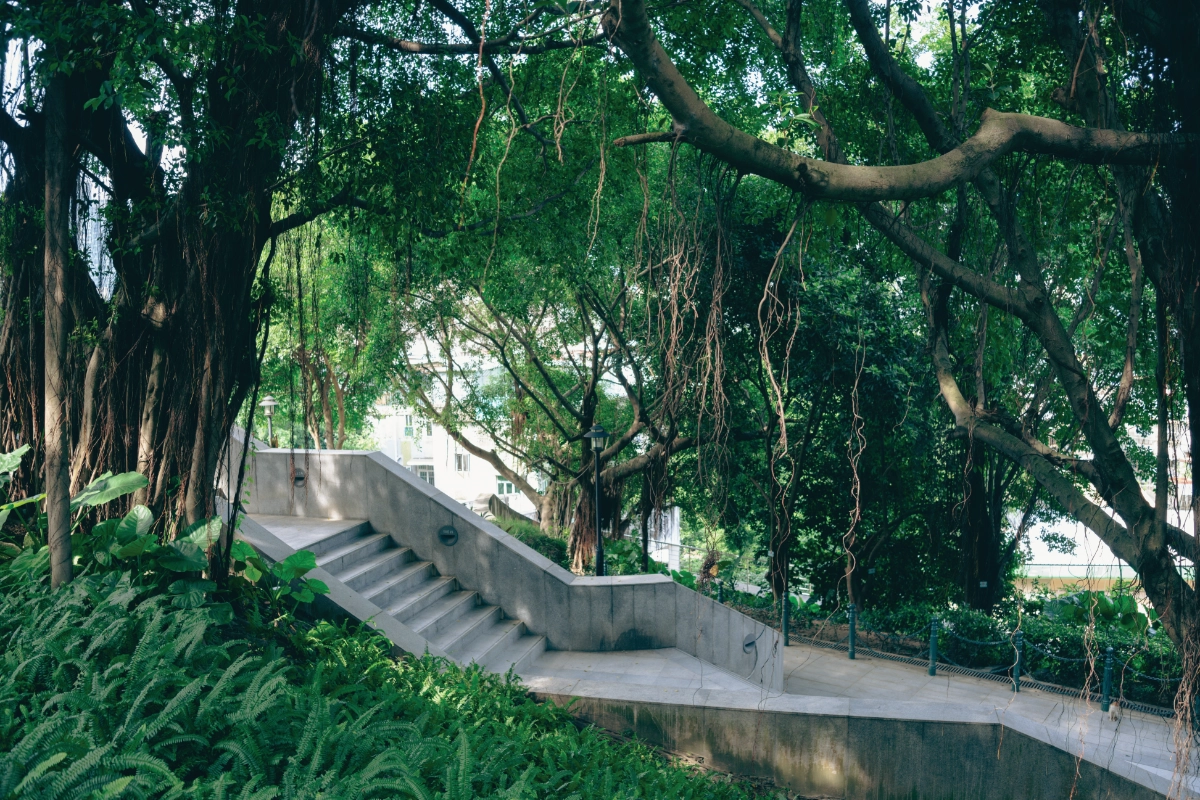
Macau, long renowned for its tourism and entertainment industries, has seen urban construction closely tied to economic growth. Yet rapid infrastructure expansion often conflicts with environmental protection, and balancing these forces has become crucial for the city’s future. In this issue of New Macau, we examine Macau’s environmental policies, the progress and challenges in ecological conservation, gaps in implementation and future directions. We explore how a city with limited land resources can still pursue a meaningful transformation toward greener development.
Development of environmental policy
Looking back at the evolution of Macau’s environmental protection policies, the year 1989 stands out as a milestone. In that year, the Legislative Assembly passed the Macau Environmental Framework Law, which marked the entry of Macau’s environmental protection work into a stage of institutionalization. The law established the Environmental Committee, and from that point forward the government formally assumed the leading role in guiding environmental protection efforts.
After the return of Macau to China in 1999, the Environmental Committee was placed under the administration of the Secretariat for Transport and Public Works. In 2009, the committee was upgraded to the level of a bureau, a change that highlighted the growing importance of environmental protection within the structure of government. As Macau’s economy developed rapidly in the years that followed, environmental work gradually attracted more attention. The government successively passed the Ozone Layer Protection Ordinance, the Noise Law, the Construction Waste Management System and administrative regulations restricting the provision of plastic bags, thereby making environmental protection increasingly legalized and systematic.
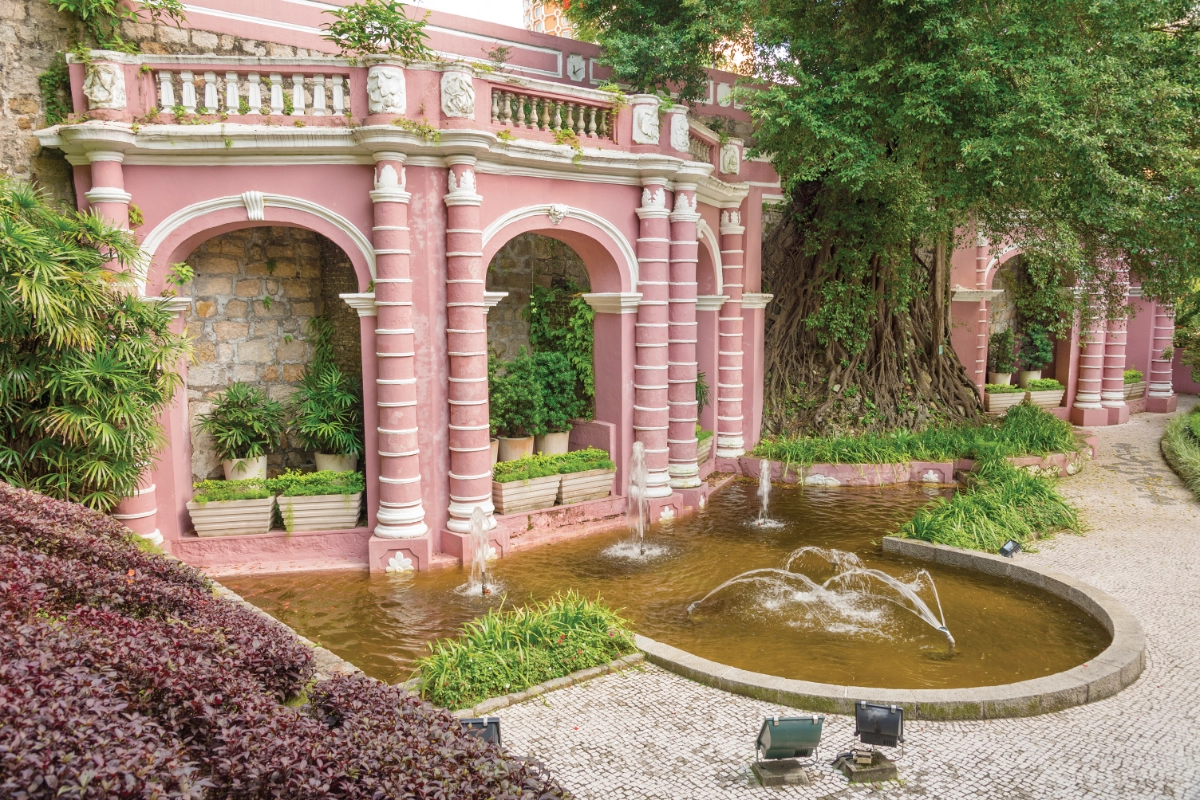
With this gradual establishment of a structured framework for environmental policy, the Macau Environmental Protection Plan became the guiding indicator of the city’s overall environmental protection strategy. The first plan, the Macau Environmental Protection Plan (2010–2020), was designed on a 10-year basis and launched a wide range of initiatives, from pollution prevention and ecological conservation to regional cooperation on environmental matters. By the end of the decade, nine out of 10 objectives had been successfully completed.
Later, as the nation incorporated the tasks of achieving carbon peaking and carbon neutrality into its major priorities – and successively announced commitments in this regard – the path of green and low carbon development was accelerated. In 2021, Macau formulated the Macau Environmental Protection Plan (2021–2025), which closely followed the national direction. This new plan emphasized four major guidelines: jointly addressing climate change, strengthening pollution control, conserving the ecological environment and integrating into the green development framework of the Guangdong-Hong Kong-Macau Greater Bay Area.
After nearly five years of implementation, according to a public statement made in November 2025 by Raimundo do Rosário, Secretary for Transport and Public Works, the execution of policies during this stage had “overall met the targets”. Achievements were recorded in areas such as air quality monitoring, improvements in energy efficiency and increases in the coverage of urban greening.
Engineering development and ecological restoration
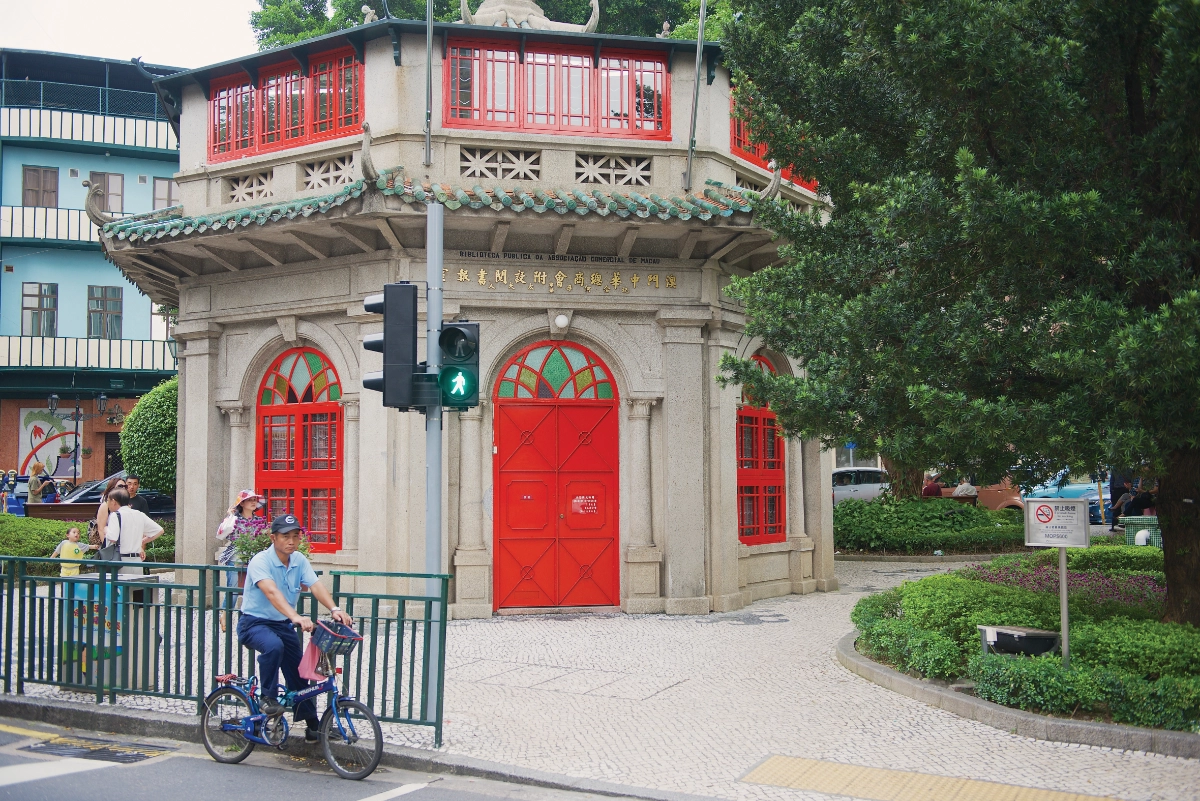
Nevertheless, with the rapid pace of Macau’s economic growth, the acceleration of infrastructure construction and land development has often brought with it obvious ecological costs. Problems such as the degradation of wetlands, the reduction of green areas and the decline in environmental carrying capacity have emerged.
Society has gradually become more attentive to issues of ecological conservation, especially in areas such as Taipa and Coloane, where large-scale projects and land reclamation activities have disrupted the original ecological patterns. The question of how to achieve a balance between development and protection has become a key issue for Macau’s sustainable development.
“Macau’s environmental protection work must proceed from a perspective of full coverage,” says Leong Kuan Fong, President of the Macau Natural Ecology Research Association. “It should not only focus on pollution control but must also attach importance to the protection of wildlife species and wetlands.”
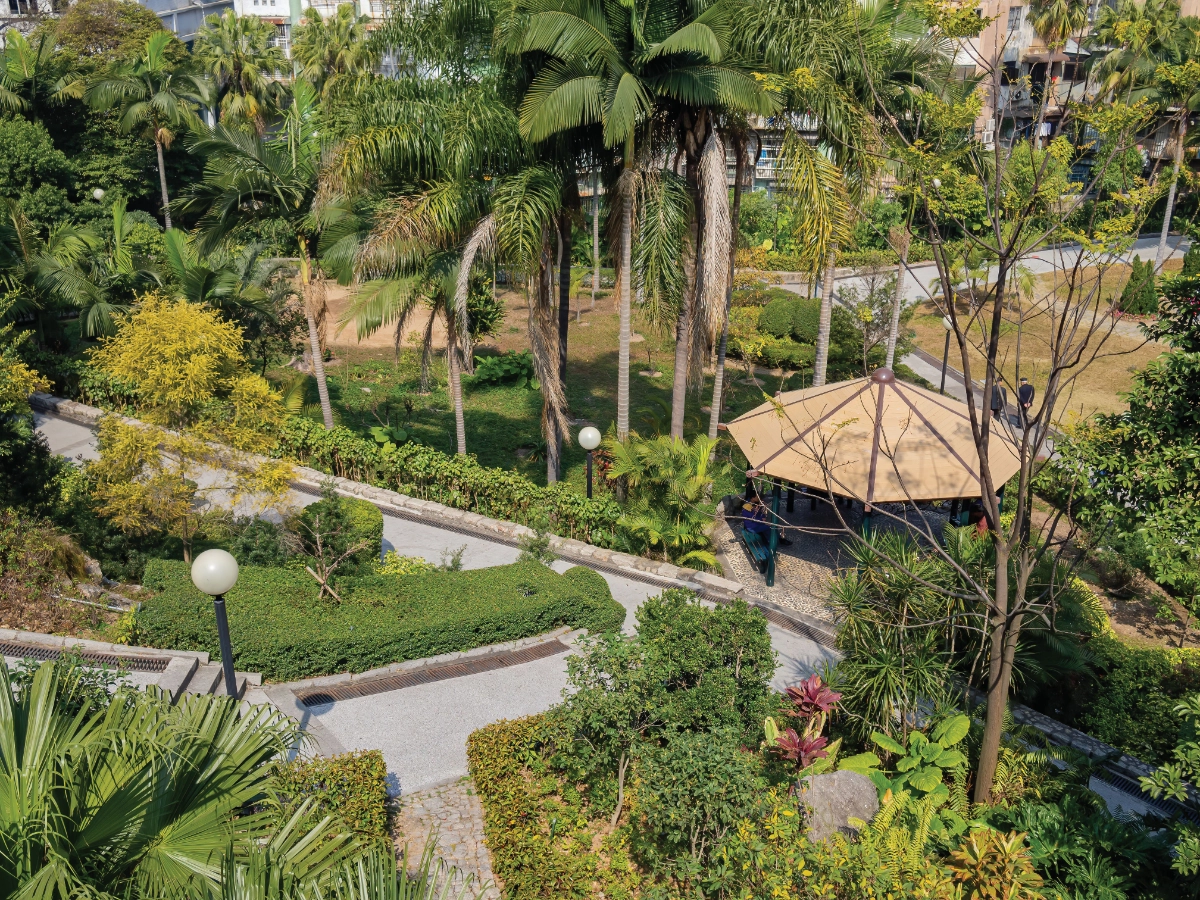
He points out that compared with the beginning of the last century, two-thirds of Macau’s present land area has been created through reclamation. “This century-long transformation of land has indeed brought economic prosperity, but at the same time it has had profound impacts on coastlines and original ecosystems,” Leong continues. “In such a context, Macau must continuously seek a balance between development and compensation.”
Leong emphasizes that forward-looking ecological design should be incorporated into urban planning. In areas such as post-project compensation, wetland restoration and the reconstruction of habitats, Macau should make greater use of scientific innovation and build broader public consensus.
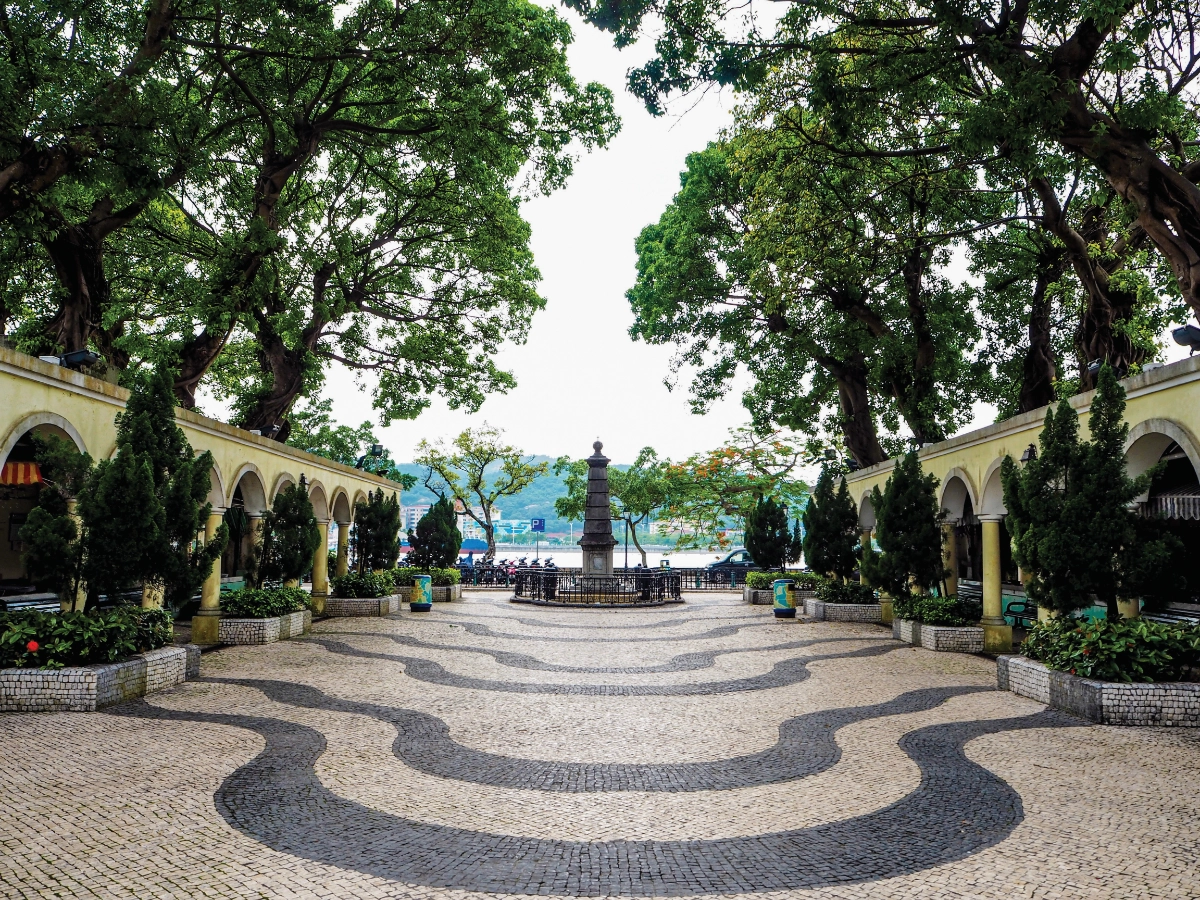
Taipa Houses Museum: A reference for ecological conservation
In recent years, the Macau government has stressed the concept of “smart and livable city, green lifestyle practice”. Engineering projects are no longer planned solely with economic efficiency as the single objective but are required to take into account ecological restoration and cultural continuity. This philosophy was already concretely embodied in the restoration project of the Taipa Houses Museum.
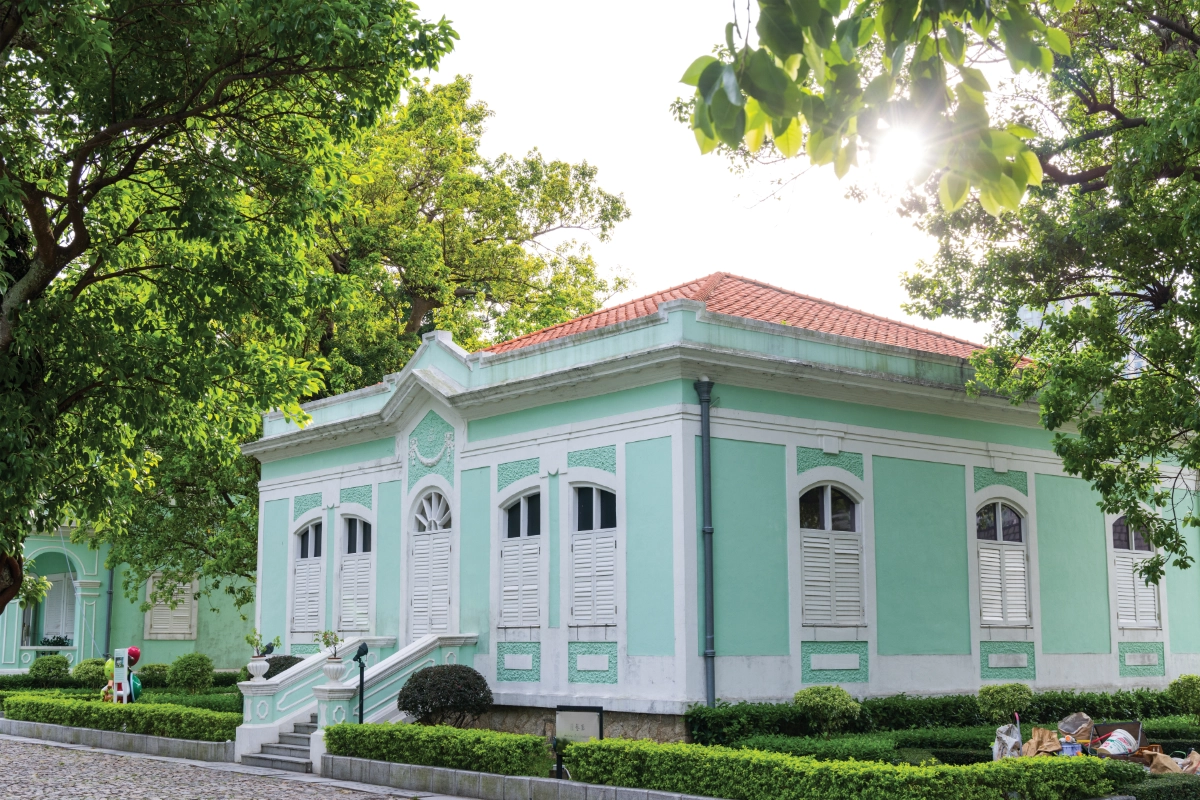
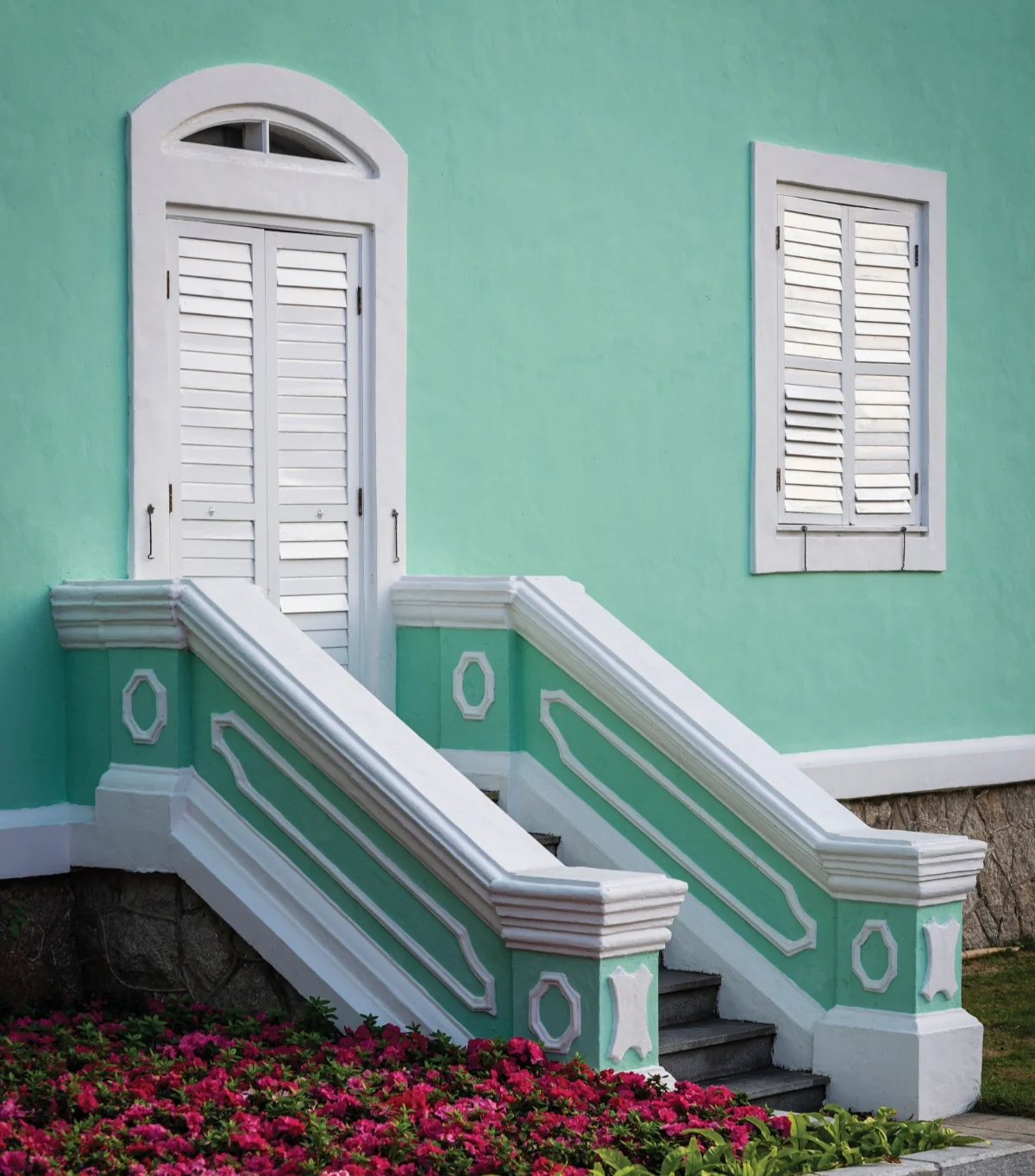
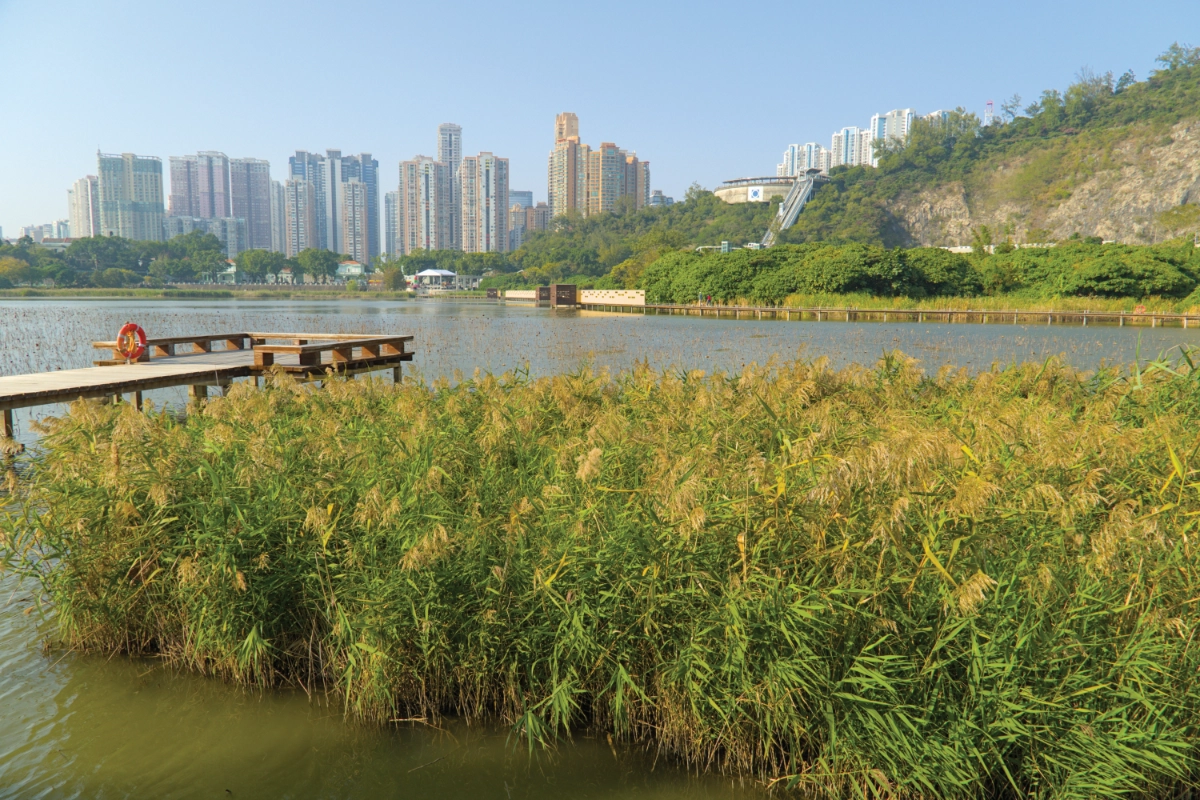
Originally, this area in Taipa was a vast mangrove wetland, set against five Portuguese-style residences from the colonial period, now preserved as a museum complex. It was once a paradise for birdwatchers. However, with the reclamation of land in Cotai and the construction of multiple resorts, the wetland ecosystem was severely damaged and large numbers of mangroves died.
In response, the government launched a restoration project in the 2000s. Efforts were made to improve the water quality of the lake, to plant native wetland vegetation and to repair the Portuguese architectural complex, turning the site into a model that combines cultural preservation with ecological education.
Leong recalls that he participated in the planning at that time and led a team engaged in the restoration of Macau’s mangrove wetlands. They adopted advanced techniques for transplanting large trees, moving native mangroves to new locations.
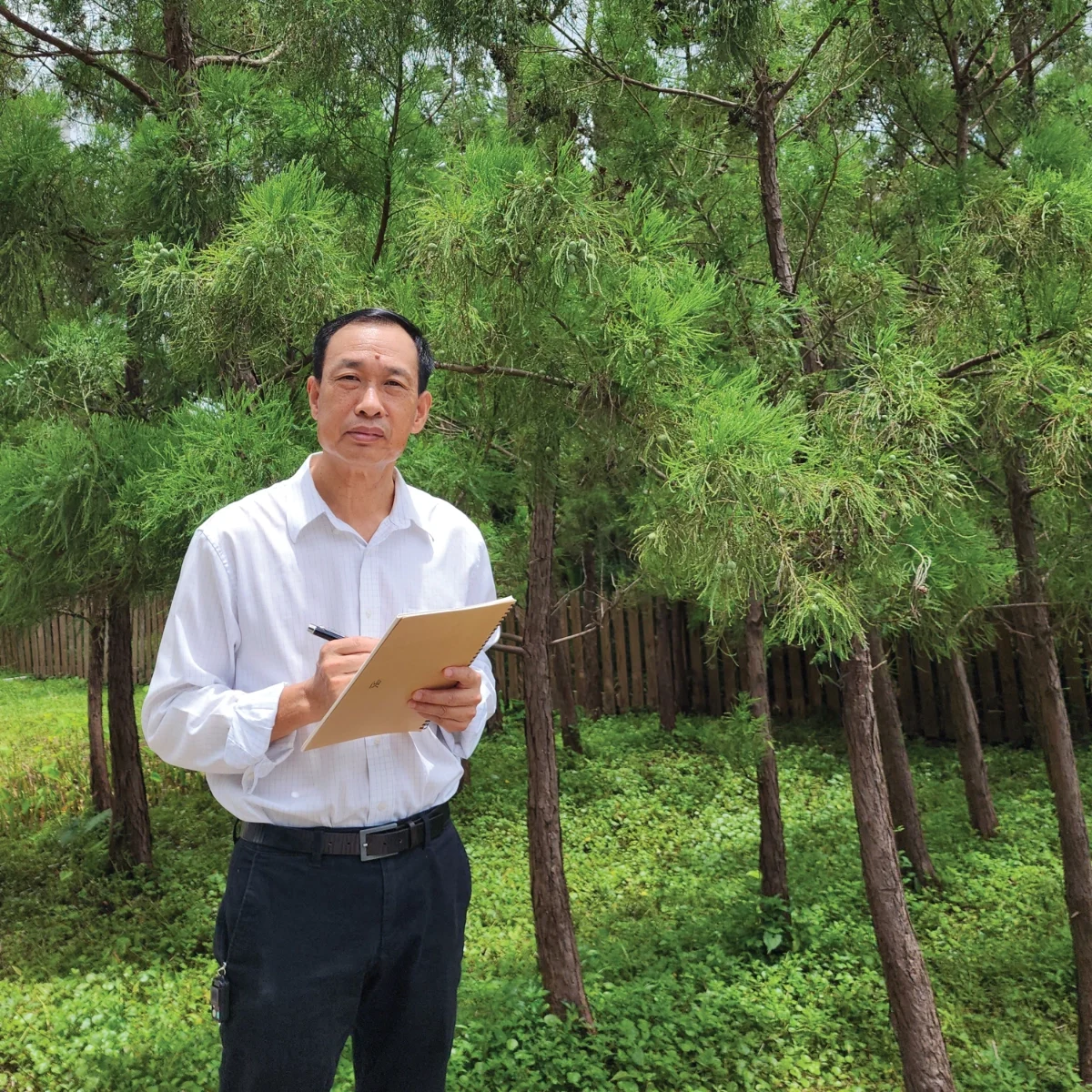
“At that time, there were almost no successful cases worldwide. We attempted transplantation during low tide and the difficulties were immense,” he says.
Ultimately, the team succeeded in enabling the transplanted mangroves to survive and grow in their new environment. The technique was even recognized with a national patent, becoming a landmark achievement in rapid ecological restoration.
He notes that this experience demonstrates that even though Macau’s land is limited, the city nonetheless possesses the potential for innovation and practical implementation in ecological engineering.
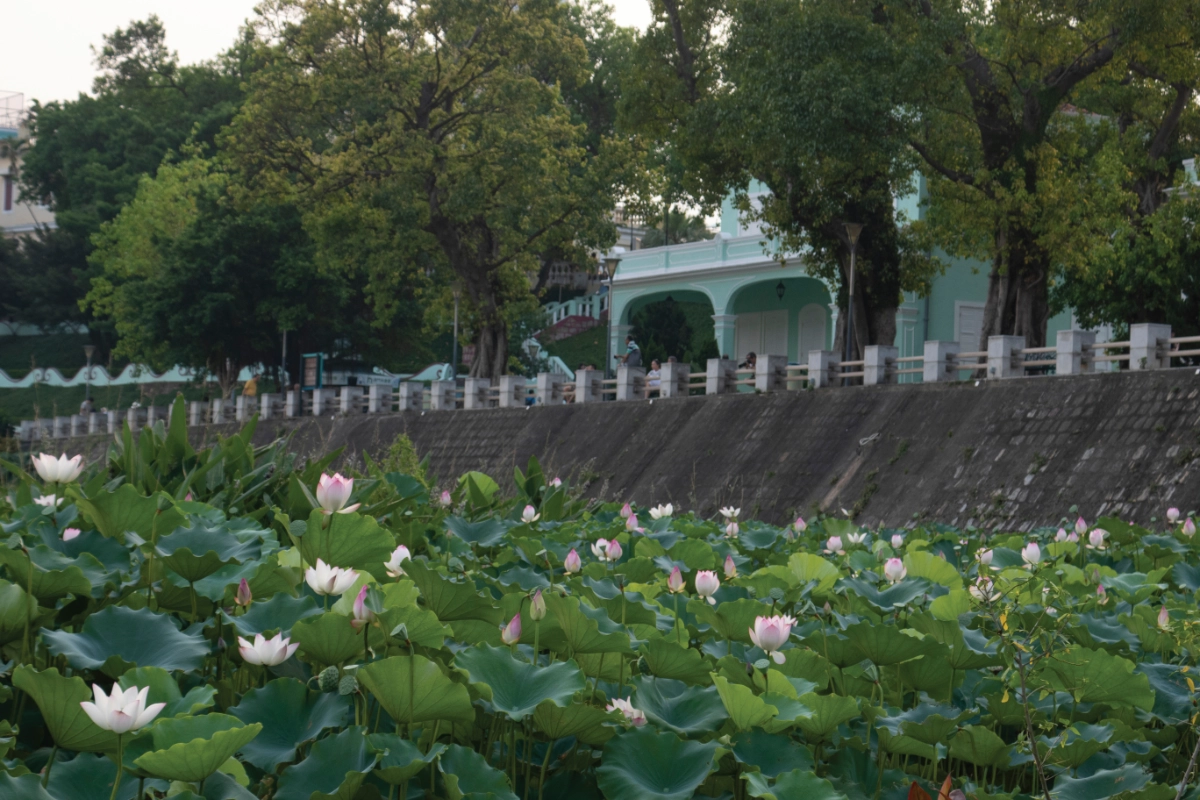
Today, the Taipa Houses Museum area stands as a representative case of combining ecological restoration with cultural preservation. Leong explains that the district, originally located at the edge of wetlands, has through years of adjustment gradually developed into a space that integrates tourism, culture and ecology.
“During our field studies we found that reeds and lotuses can grow in both freshwater and slightly brackish water, but biodiversity must be maintained,” he says. “Therefore, we established ecological pools to improve water quality and restore wetland functions.”
Today, the Taipa Houses Museum is not only a cultural attraction but also a site for ecological education in the Cotai area. Leong adds, “To see blackfaced spoonbills resting in such a small city is the result of years of continuous protection efforts and it reflects the persistence of the Macau government in ecological conservation.”
Waste reduction at the source
In addition to ecological conservation, in recent years source reduction of waste has become a measure emphasized not only by Macau but also by governments around the world. According to the Macau Environmental Status Report (2024), the volume of municipal solid waste in the city reached 526,000 tons, an increase of 5.1% compared with 2023.
The per capita daily amount of garbage rose to 2.1 kilograms, returning to the level of 2019 before the pandemic. These figures reveal the struggle faced by a city of limited size and dense population under ecological pressure.
Although Macau possesses incineration facilities that can effectively reduce the volume of garbage, this does not entirely solve the fundamental problem. The process of burning produces fly ash and slag that must be properly stored and treated, otherwise they may cause environmental pollution. More importantly, incineration is a method of “endpoint treatment” and does not reduce the generation of waste at its source.
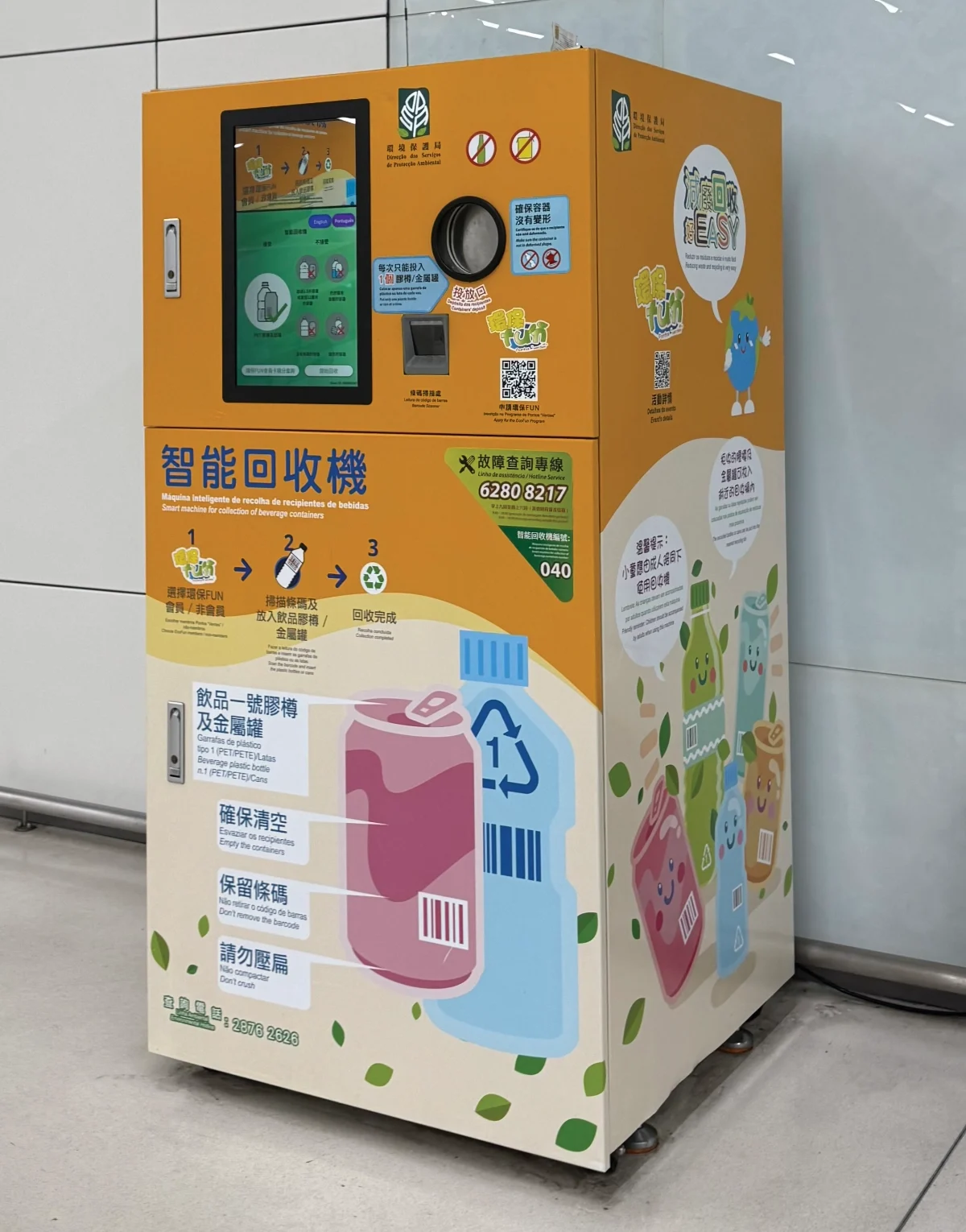
For this reason, the government has for many years promoted “source reduction and resource recycling” as the long-term policy goal of solid waste management, hoping to establish the foundation of a circular economy through both institutional measures and public education.
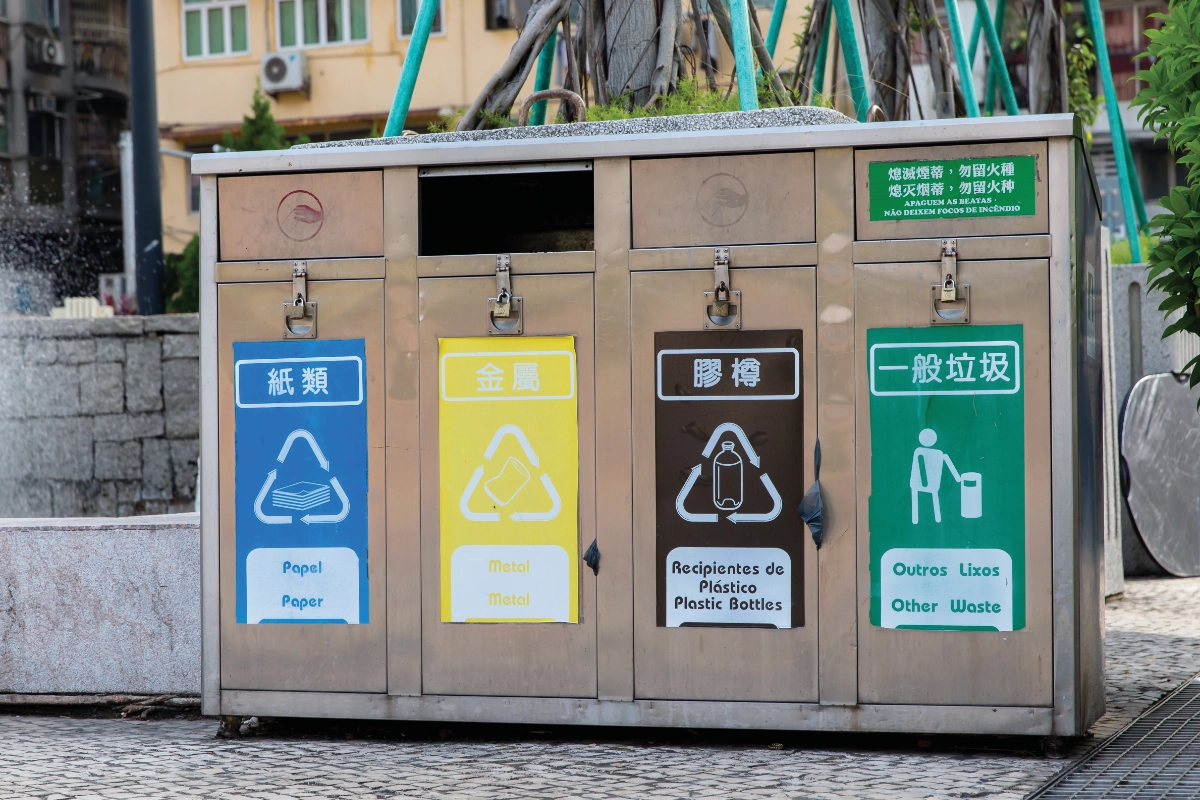
At present, Macau’s recycling system is based on three categories of recyclable waste: paper, plastics, and metals such as aluminum cans. According to import and export data from the Statistics and Census Service, in recent years the recovery rate of these three categories has remained between 18% and 20%, showing relatively stable performance.
Recyclables collected at government-designated points are handed over to qualified contractors, who are responsible for sorting, classifying, weighing, compressing and packaging them before sending them to neighboring regions for reuse. This process ensures that recyclable materials are not mixed with household garbage and sent to the incineration center, reflecting the city’s efforts in regulation and execution.
Furthermore, in order to broaden the scope of recycling projects, the Environmental Protection Bureau launched the “Used Battery Collection Program” at the end of 2016. Since then, more than 1,300 collection points have been established across Macau.
Corporate and social sustainability
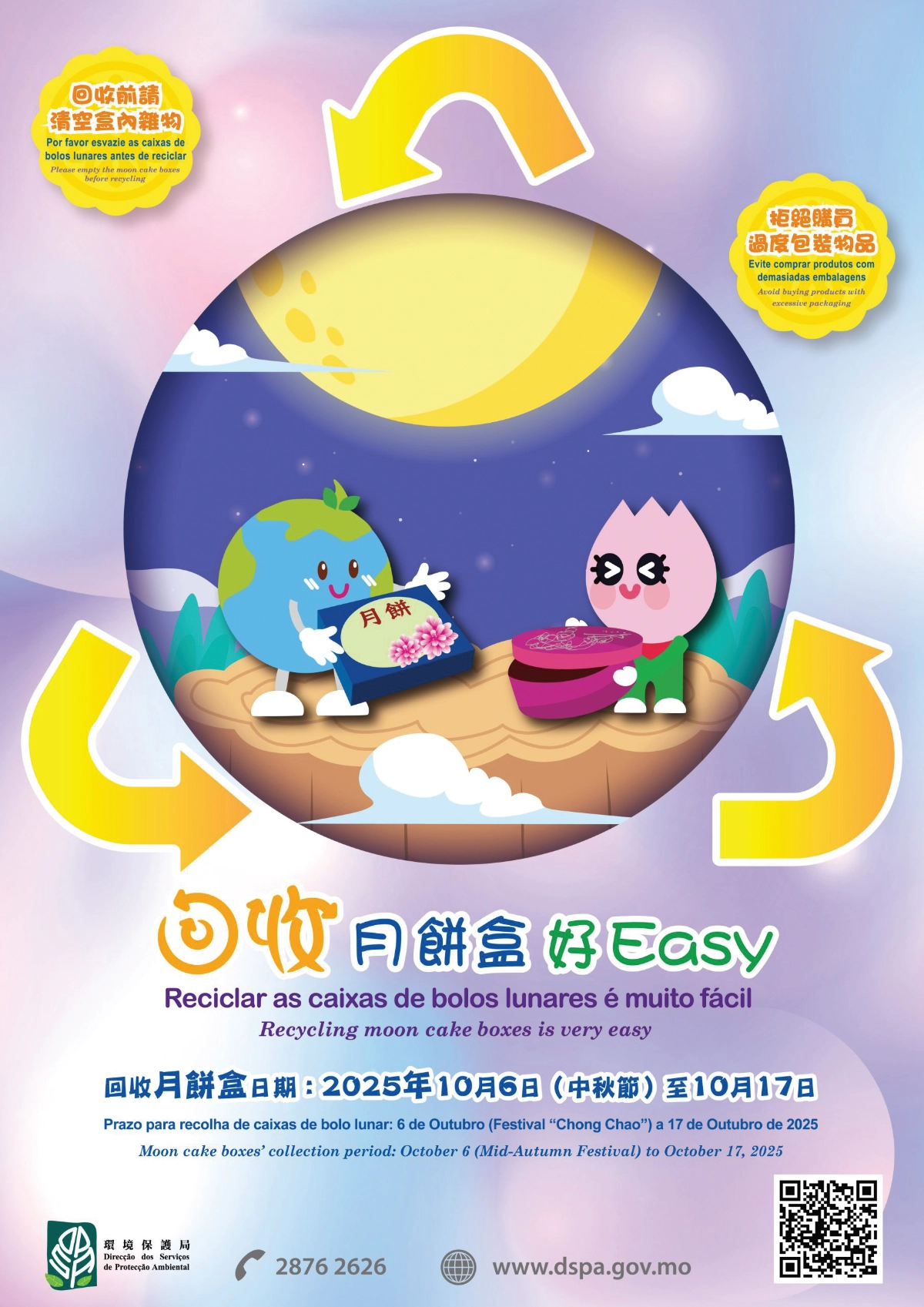
Beyond governmental roles, corporate and public engagement equally constitute vital forces in advancing environmental protection. In recent years, Macau’s hospitality and tourism sectors have progressively integrated ESG principles (Environmental, Social and Governance) into operational strategies, embedding environmental responsibility within business practices.
Some large hotels have promoted energy conservation and emission reduction, such as introducing high-efficiency lighting equipment, food waste decomposition systems and central air conditioning energy monitoring. Meanwhile, some small and medium-sized enterprises have actively adopted recycled packaging materials or recycled and remanufactured goods.
On the societal level, citizens’ environmental awareness determines the foundation for institutional reform. Community waste reduction competitions, school environmental education programs and recycled goods markets organized in Macau in recent years have gradually cultivated green consumption habits among the public.
However, to genuinely advance the circular economy, a more comprehensive recycling system must be established. This includes installing additional sorting stations in major residential areas and incentivizing participation through digital tracking or reward schemes.
The interaction between businesses, government and the public will determine the depth of Macau’s sustainable development. Only when corporate responsibility resonates with social consciousness can Macau’s environmental blueprint truly transition from policy documents into concrete action.
Beyond Macau
Macau’s environmental efforts extend beyond urban improvements to actively integrate with national ecological civilization development and the Greater Bay Area’s overall strategy. The SAR government has initiated the formulation of the Macau Environmental Protection Plan (2026–2030), establishing “pollution reduction” and “carbon reduction advancement” as its two core objectives.
In line with the national “Dual Carbon Goals” objectives, a long-term local greenhouse gas reduction strategy has been formulated. This clearly targets achieving peak carbon emissions by 2030 and promoting near-zero emissions in key sectors – particularly electricity and land transport – by 2050.
This new blueprint not only builds upon previous achievements but also signifies Macau’s transition from mere pollution control to a new phase of structural low-carbon reform.
Integration into the national framework necessitates Macau leveraging regional cooperation to jointly build a green and symbiotic Greater Bay Area space.
Looking ahead, Macau must accelerate policy implementation and ecological orientation, leveraging Greater Bay Area collaboration to establish a regional green network. It is anticipated that in the near future, Macau’s distinctive green footprint will be clearly visible on the ecological map of the GBA.