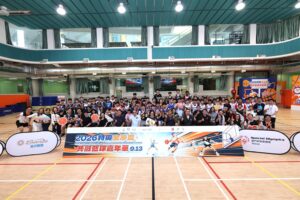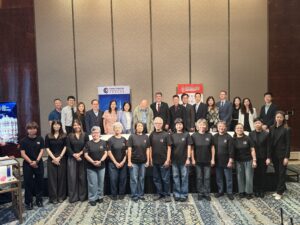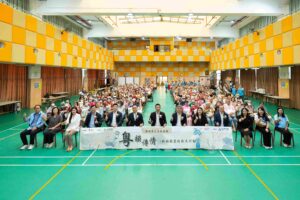
In recent years, the Macao SAR Government has actively promoted the diversified development of the sports industry. From the landing of top-tier international events to the popularization of mass sports, and from the joint efforts of the government, enterprises and associations to the deep integration of Hengqin and Macau, Macau is progressively building its own “City of Sports” urban brand.
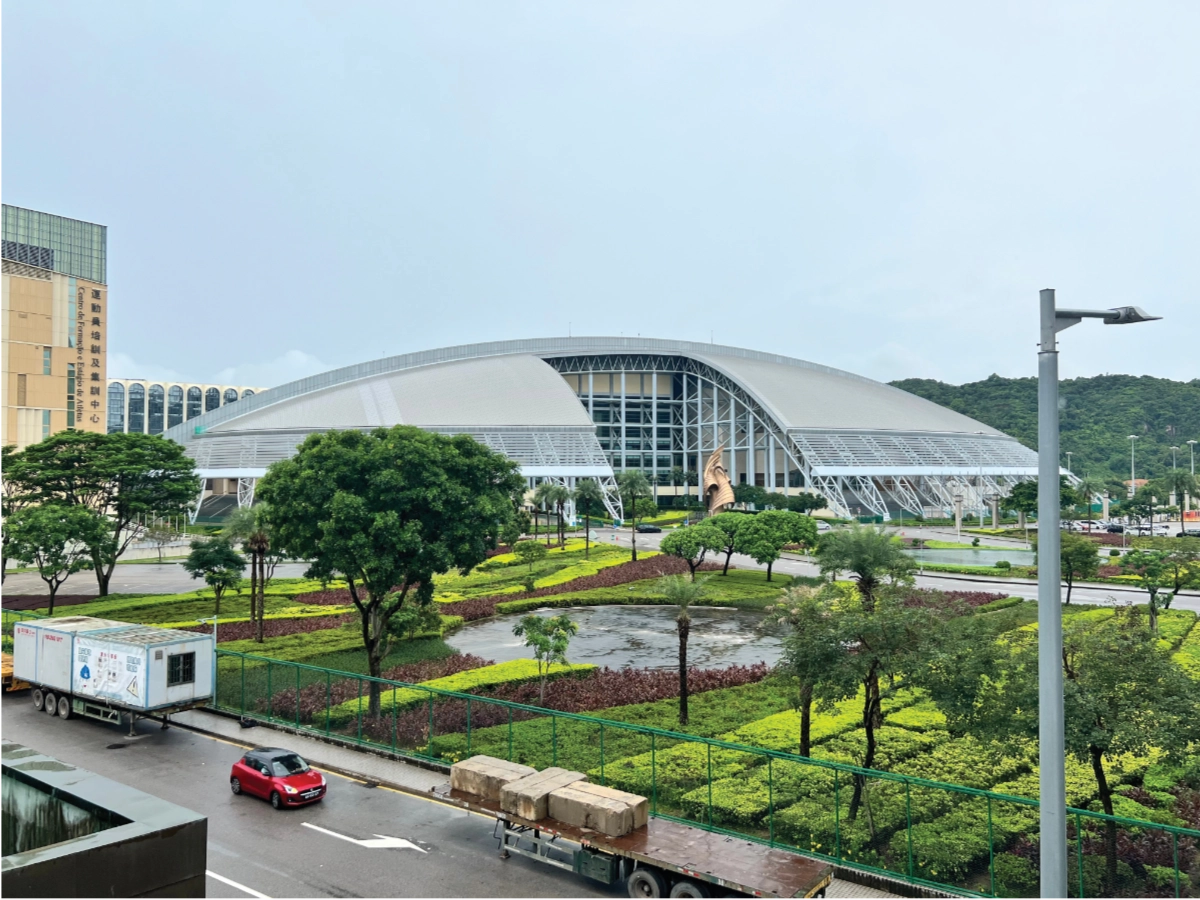
It is worth noting that sports are gradually becoming Macau’s third city calling card alongside “tourism” and “cultural heritage.” This is not a replacement of the existing identity but rather the addition of a new layer to the city’s image. Whether it is a marathon through World Heritage districts or cultural nights held during major events, sports and culture are intertwined into a more charming urban narrative. This issue of New Macau will conduct an in-depth discussion on the current status, trends and future direction of Macau’s sports development.
Targeting a City of Sports
Macau has actively promoted the development of its sports industry in recent years. Related planning takes the construction of a “City of Sports” as the overall goal, primarily adopting a dual-track approach of mass sports and competitive sports. On one hand, this enhances residents’ exercise participation and health levels; on the other hand, it strengthens elite training and event hosting capabilities, expanding Macau’s influence on the regional and international sports stage.
Macau is one of the most densely populated cities in the world, with a population of over 600,000 accommodated within just 45 square kilometers. This highly compact urban structure creates natural constraints for the planning of large-scale sports facilities, reflecting the creativity and flexibility Macau demonstrates when promoting sports development on limited land. Consequently, the land resources of Hengqin are particularly critical to Macau’s sports layout.
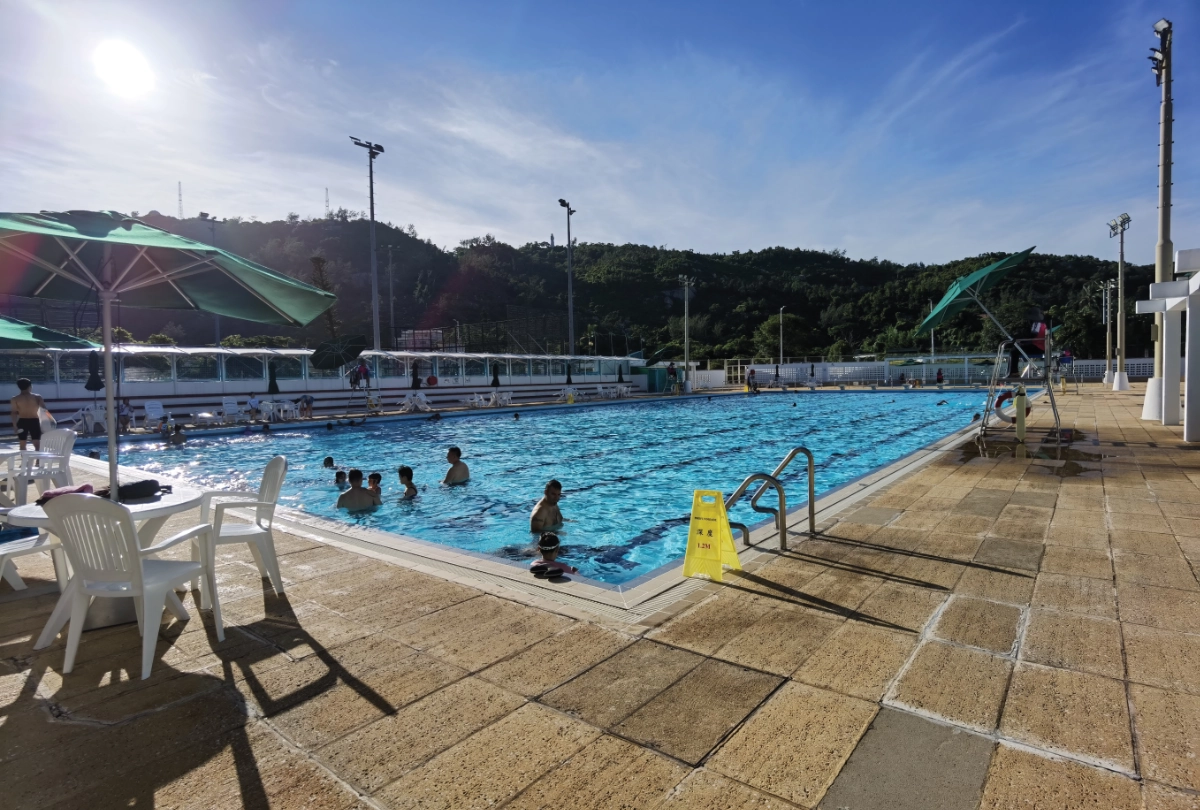
Regarding mass sports, Macau aligns with the Healthy Macau Blueprint to provide more inclusive health and sports activities for different groups, including women, seniors and people with disabilities. This expands the scope of sports participation and promotes a “sports for all” environment. The planning emphasizes establishing a lifelong sports model, elevating exercise from a short-term activity to a daily habit to improve citizens’ physical fitness, reduce chronic disease risks and enhance overall quality of life. When sports become a part of community life, urban health and social cohesion strengthen accordingly.
In terms of competitive sports, Macau hosted the 15th National Games and the Paralympic Games and Special Olympics in November 2025. Related work included upgrading and optimizing competition venues and improving event operation capabilities, using large-scale comprehensive sports games as the driving force for systemic upgrades. Meanwhile, regarding athlete cultivation, the SAR Government developed an Elite Athlete Training Grant Scheme to improve training effectiveness and competitive levels through more scientific training support, resource investment and professional facilities.
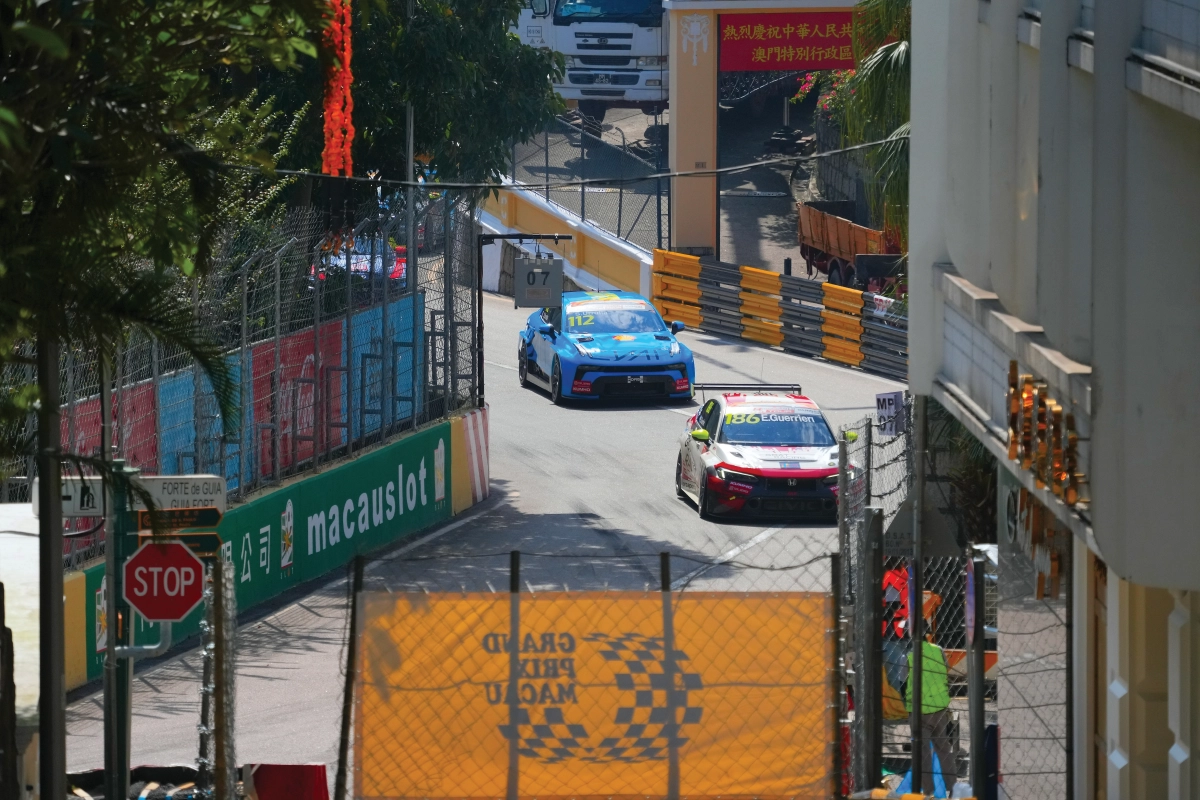
Furthermore, Macau has vigorously developed “Sports+” in recent years, deepening the integration of “Sports + Culture + Tourism” to form recognizable activity brands and tourist attractions. With representative brand events such as the Macau Grand Prix at the core, the city combines urban cultural resources and tourism services to attract more visitors and further transform event “passenger flow” into longer-term, higher-value “consumption retention.”
During the pandemic, Macau’s economic structure, which relies on a single tourism model, exposed its vulnerabilities, prompting the government and enterprises to accelerate the promotion of appropriate economic diversification. Sports is one of the sectors with the greatest potential; it can attract different types of tourists and extend their stay while driving peripheral industries such as hotels, retail and catering. It also promotes emerging industries like sports technology, sports medicine and sports marketing, aligning closely with the national strategy for Greater Bay Area synergy.
Positive government-enterprise synergy and cooperation
However, building a “City of Sports” purely through government power is clearly insufficient. As a comprehensive tourism and leisure city, positive government-enterprise synergy and cooperation to create sports events has become the primary direction for Macau’s development.
Macau relies on high-quality large enterprises to provide support in resources and hardware. Whether it is the funding and venues required for international events or tourism facilities and hotel accommodation, corporate participation effectively compensates for the shortage of public resources. This model of “government guidance, corporate support and market operation” constitutes a unique advantage for Macau in building a “City of Sports.”
In recent years, Macau has hosted an average of 20 to 24 large-scale international sports events annually, most of which involve corporate participation rather than relying solely on the government. For example, the traditional brand event Macau Grand Prix, which has been held for 72 editions, has seen large enterprises invest resources for many years. Additionally, recent events like the WTT Macau Champions, the FIVB Women’s Volleyball Nations League and even NBA pre-season games have landed in Macau with corporate support, demonstrating the capacity of “government-enterprise cooperation.”
“If we relied only on public funds, it would be difficult to achieve the current results in sports city construction,” emphasized Kevin Ho, Macau Legislative Assembly Member and Sports Committee Member. He noted that the positive interaction between enterprises and the SAR Government not only reduces public financial pressure but also forms a sustainable model for hosting and development, serving as an important guarantee for the continuous landing of international events.
“The value of these events is not limited to driving passenger flow during the event period,” he said.
Events like the WTT and NBA possess global communication power, covering not only mainland China, Hong Kong and Taiwan but also radiating to European and Asian countries such as Japan and Sweden.
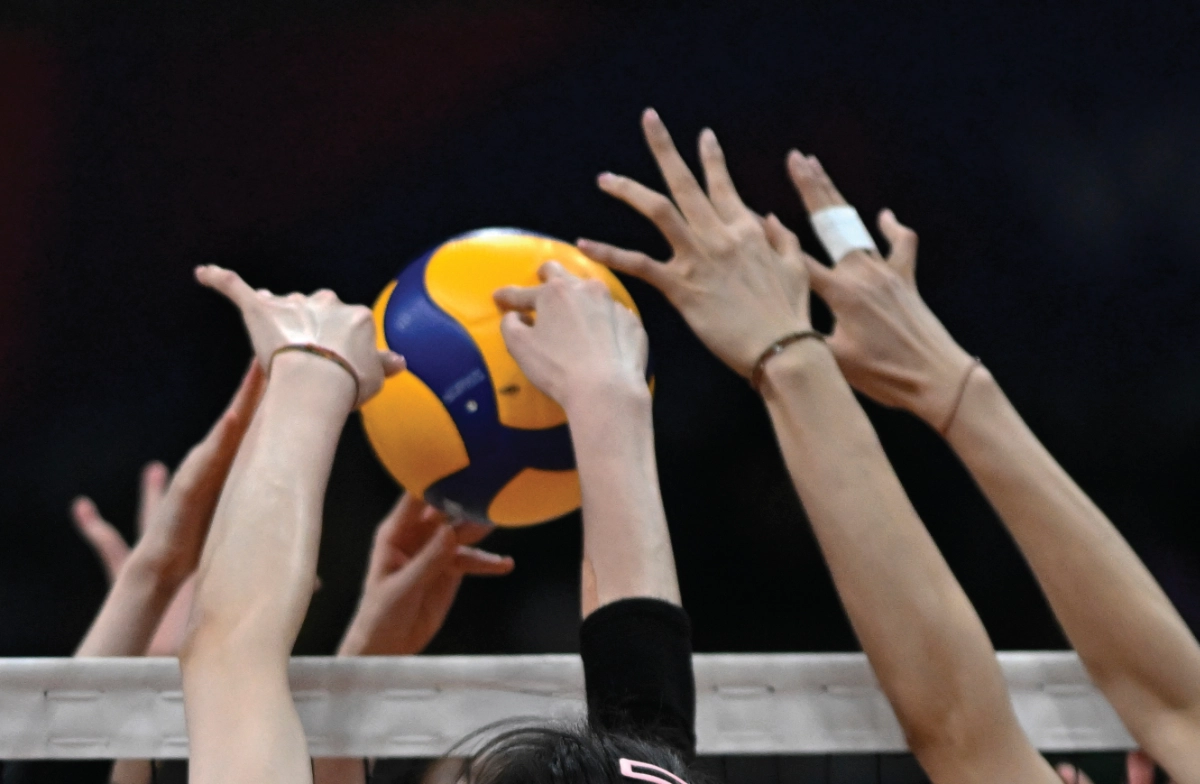
“Macau’s venue conditions and organization levels are highly recognized by the international community, directly assisting in enhancing Macau’s international tourism image and city reputation,” Ho said.
Meanwhile, Macau persists in the integration model of “Sports + Tourism,” “Sports + City” and “Sports + MICE,” ensuring sports are deeply bound with urban development.
“The continuous exposure of international events promotes the diversification of Macau’s source markets, expanding from the traditional focus on mainland China, Hong Kong and Taiwan to Asian and even European and American markets,” mentioned Ho.
Popularization as the foundation, rational competitive development
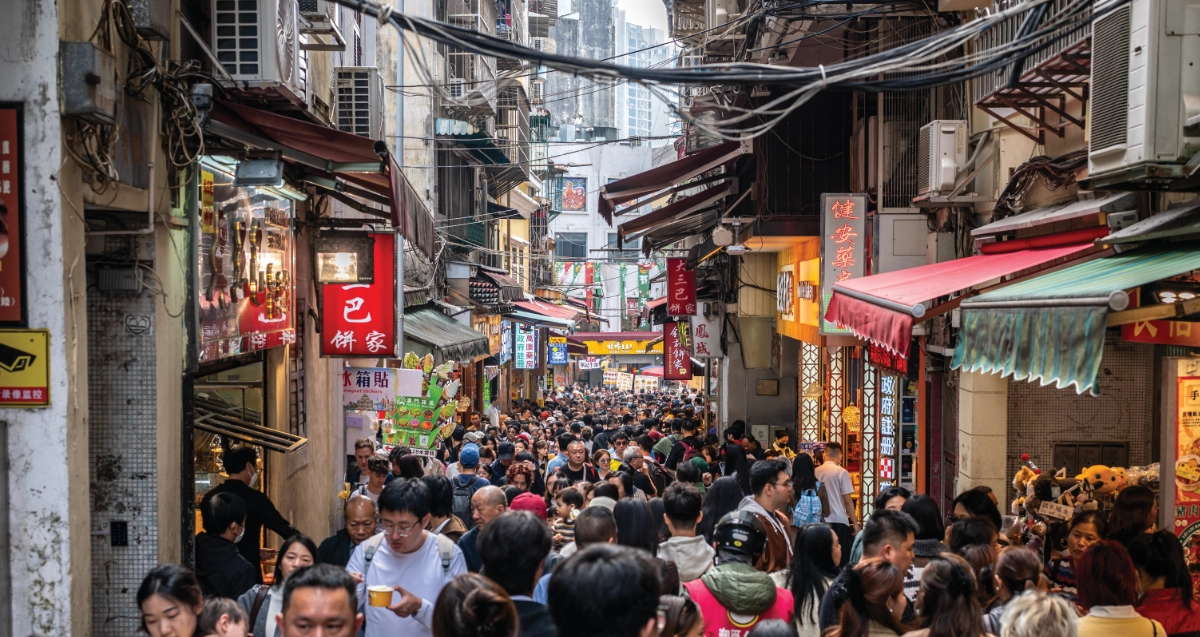
Returning to local sports development, Macau divides sports into mass sports and competitive sports. The former involves public sports resource investment, such as “free-to-play” multi-use courts and park fitness facilities, creating an atmosphere of “participation by all, sports for all.”
However, in the field of competitive sports, how to build internationally competitive strength within the constraints of a small population remains a major challenge. Ho believes Macau should maintain a rational positioning and not blindly pursue gold medal indicators.
“With a population of only over 600,000, it is difficult to achieve “one-in-10,000’ elite selection,” Ho said. He also noted that local training venues and other hardware conditions are still insufficient and Chinese society generally emphasizes academics, adding, “Many young athletes choose to focus on studies after youth training; these objective factors restrict top-level breakthroughs in competitive sports.”
Ho further suggested that Macau’s competitive sports should be based on its own conditions, concentrating limited resources on a few advantageous projects to strive for leading levels in Asia and maximize resource utilization efficiency.
In the 2025 15th National Games, the Macau delegation achieved a historic breakthrough, particularly in Karate with three gold and two bronze medals. Macau Karate athletes such as Iong Kuang Hou, Fong Man Wai, Kuok Kin Hang, Cheang Shing Hei and Fong Man Hou won championships in the Macau competition zone.
Diversified advancement of sports development
To cooperate with the direction of “mass popularization and competitive development,” the SAR Government has recently bolstered local sports support through “Medical and Science,” “Sports MICE,” “Hengqin-Macau Cross-border Systems” and “Green Upgrades.”
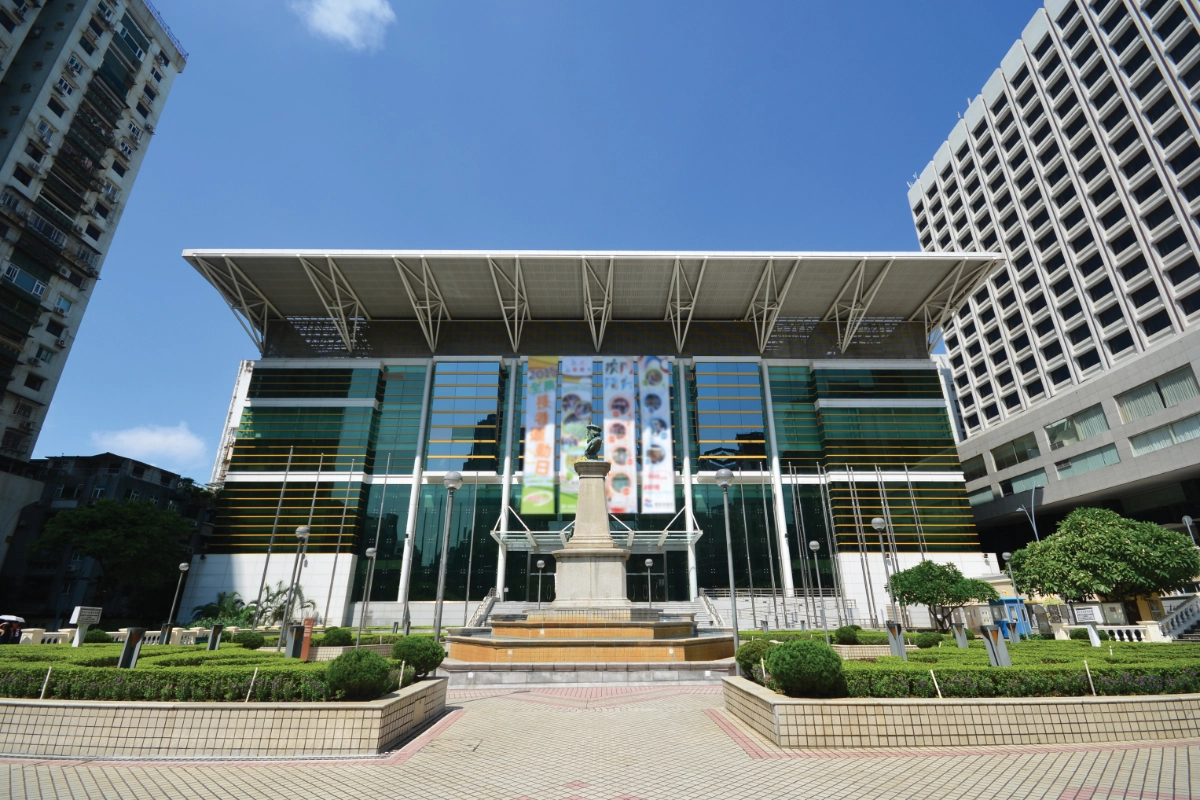
In terms of medical and scientific facilities, the Sports Medicine Center under the Sports Bureau continues to provide physical testing and assessment services for registered athletes, the public and athletes with disabilities, serving as a fundamental support for training monitoring, sports safety and health management.
Regarding community participation, local sports associations launched the “Mega Sport Game,” which attracted over 100 citizens aged 16 to 58 for intergenerational team competitions in its first season. The organizers also plan to collaborate with social welfare institutions to promote the participation of people with disabilities.
Regarding sports MICE, Macau hosted the first “Greater Bay Area International Sports Business Summit” in February 2024. As for green and smart upgrades, Macau collaborated with the 15th National Games to conduct smart and energy-saving renovations for the Tap Seac Multisport Pavilion. Telecommunications companies deployed “double 10-gigabit” networks in multiple venues and set up “AI sports experience for all” areas, extending technology to venue management and community sports.
Hengqin boosting sports development
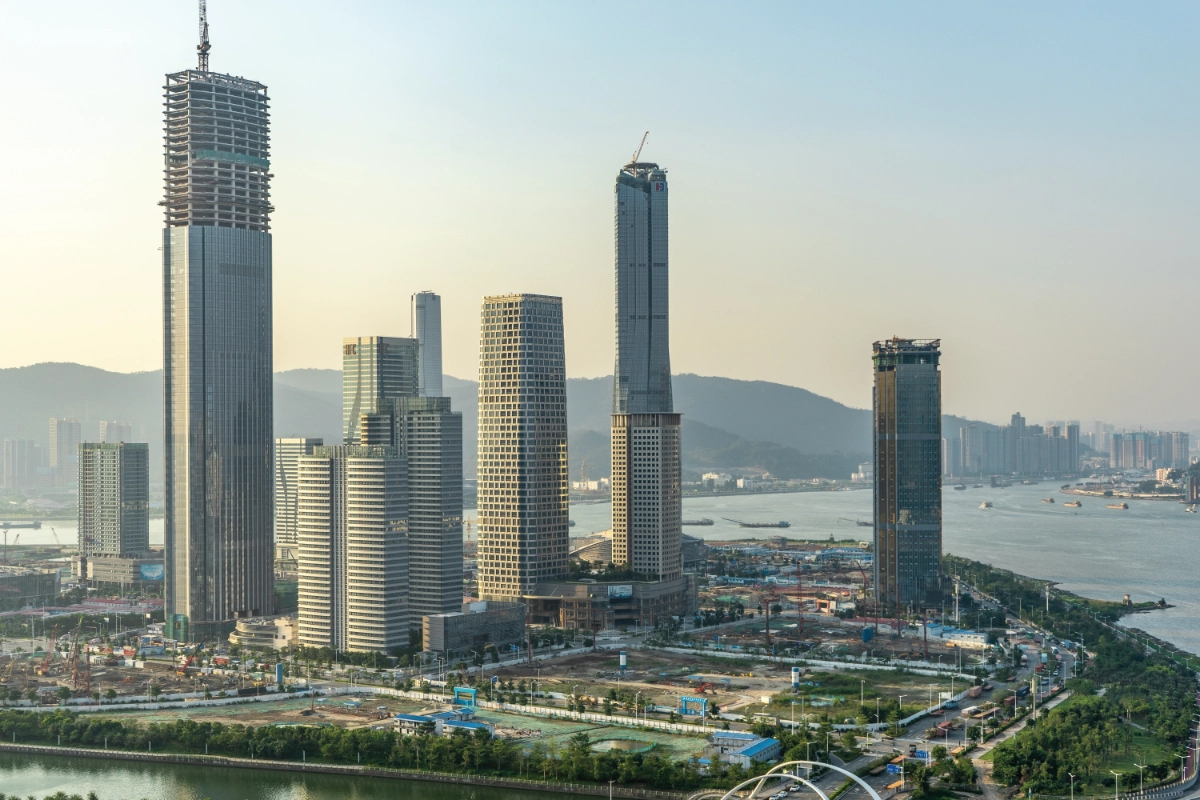
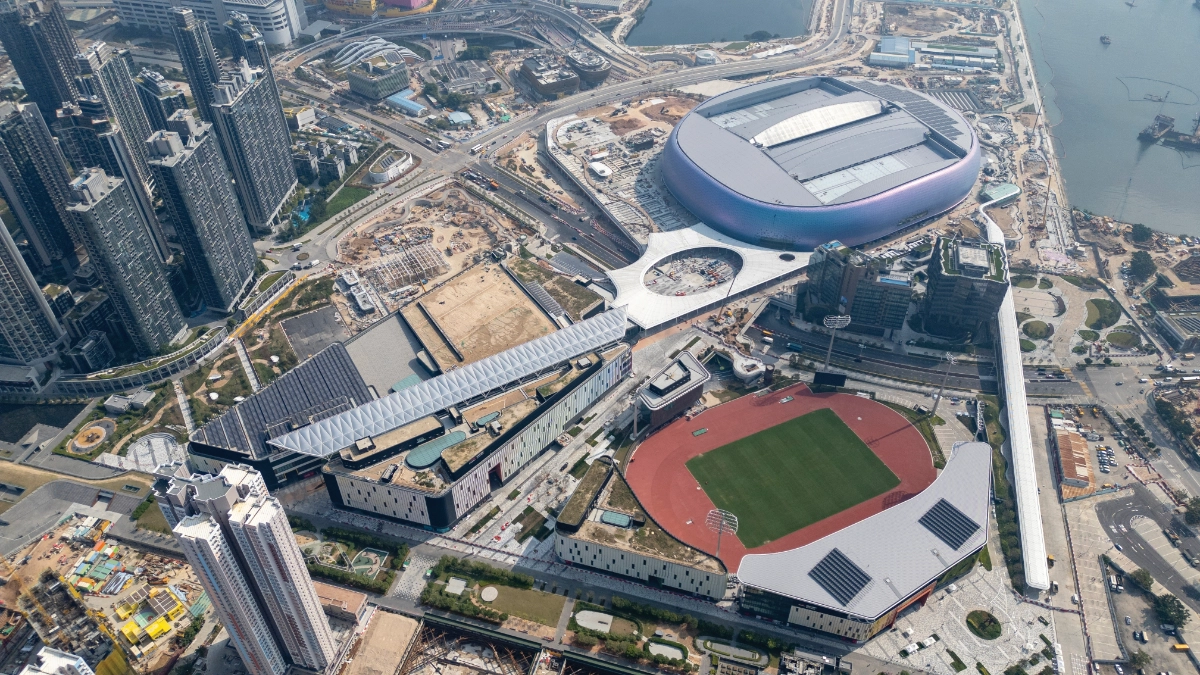
Despite progress, Macau faces a core constraint: a land area of only 45 square kilometers makes it difficult to plan large professional sports venues. Compared to large facilities like Hong Kong’s Kai Tak Sports Park, Macau’s hardware shortcomings are prominent, becoming a clear bottleneck in its competition with surrounding cities.
To solve this, the SAR Government and the Guangdong Provincial Government have deepened cooperation to promote the construction of the Hengqin Guangdong-Macao In-Depth Cooperation Zone. Ho noted that Hengqin, at 106 square kilometers, is approximately three times the size of Macau and has the spatial advantage for large events like marathons and cycling.
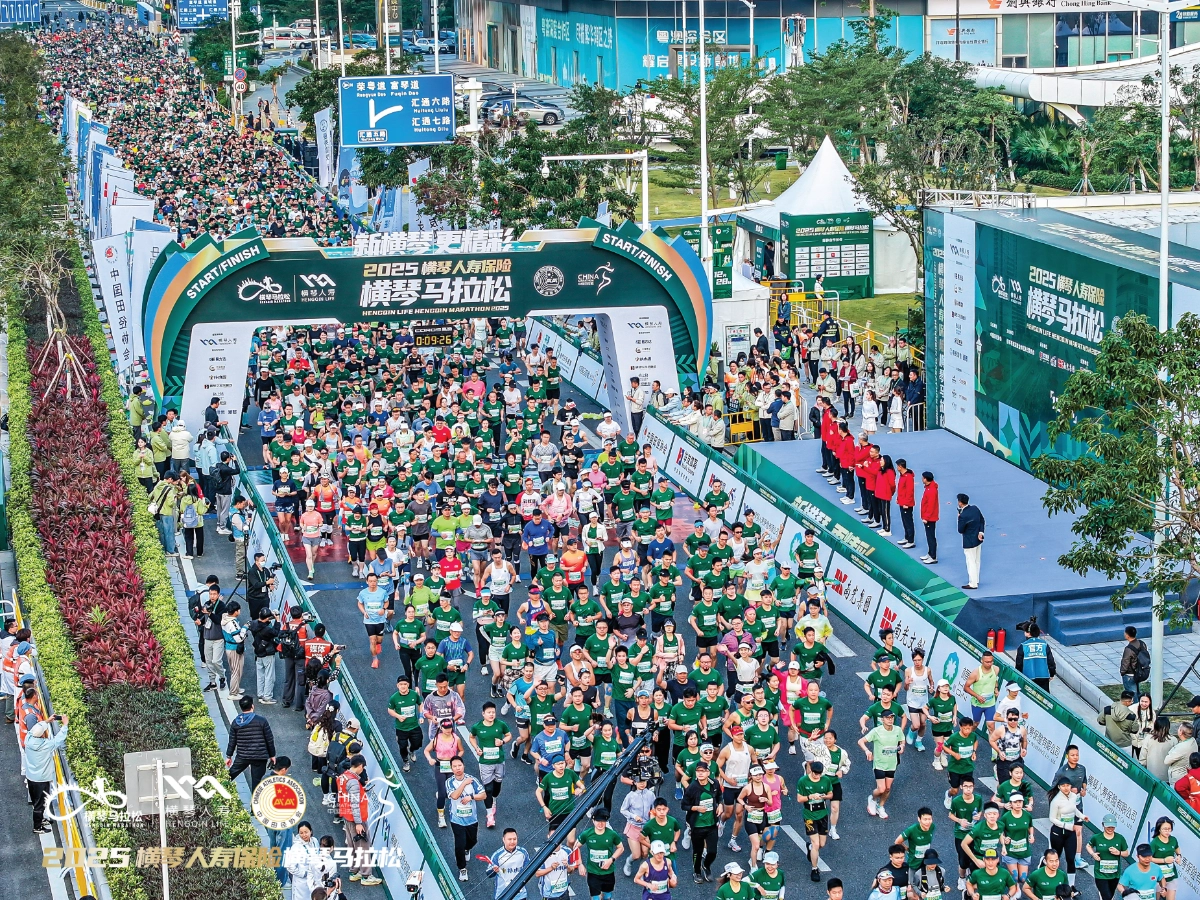
Hengqin has actively created regional sports brands, including the Hengqin Marathon (a Chinese Athletics Association Bronze Medal event) and the “Qin-Ao Cup” series (including pickleball, tennis and basketball). However, hardware gaps remain in Hengqin. To address this, the SAR Government is promoting a University Town project in Hengqin, which will include the construction of professional sports venues.
The success of the National Games accumulated experience for cross-border events. During the road cycling race, athletes achieved “seamless customs clearance” through Guangdong, Hong Kong and Macau checkpoints. Hengqin has also successively issued the Hengqin Sports Industry Support Policy and planned the Large-scale Cultural and Sports Complex Planning to provide spatial support for regular exchange.
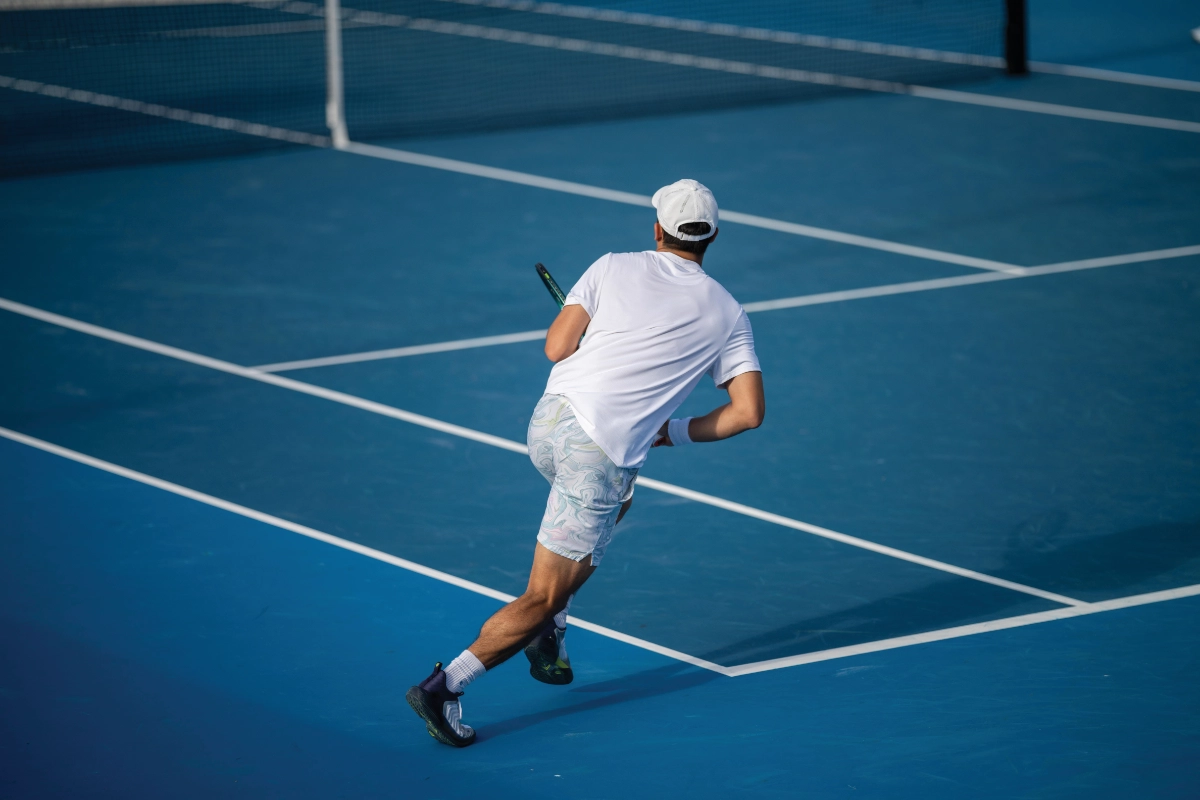
Ho suggested transforming the temporary facilitation measures – such as “white list” pre-registration and cross-border data flow – into long-term mechanisms. He suggested creating characteristic cross-border event IPs like a “Hengqin-Macau International Tennis Tournament,” allowing synergistic advantages to become the core engine for the breakthrough development of Macau’s sports industry.
A new blueprint for Macau’s development
Sports is a bridge connecting Macau with the world and a driving force for diversified economic development. In the narrative of tourism, cultural heritage and sports, Macau is showing its charm in a more three-dimensional way.
Ho believes that as measures land and hardware improves, the “City of Sports” will become another shining city calling card for Macau following gaming tourism, helping Macau achieve higher-quality development within the national development framework.