As a vital pillar of Macau’s economy, the tourism sector has undergone major changes since the pandemic. Although visitor arrivals in 2024 have recovered to nearly 90% of pre-pandemic levels, per capita visitor spending has dropped by 20.9% compared to 2019. At this pivotal moment, the development of community tourism is regarded as a key driver for Macau’s economic recovery and the transformation of SMEs.
According to data from the Statistics and Census Service of Macau, a total of 34,928,650 visitor arrivals were recorded in 2024, representing a 23.8% increase over the previous year and reaching 88.6% of the 2019 level. Despite a steady rebound in the number of visitors, spending power has significantly declined. In 2024, per capita visitor spending was only MOP 2,157, a decrease of around 20.9% from MOP 2,729 in 2019.
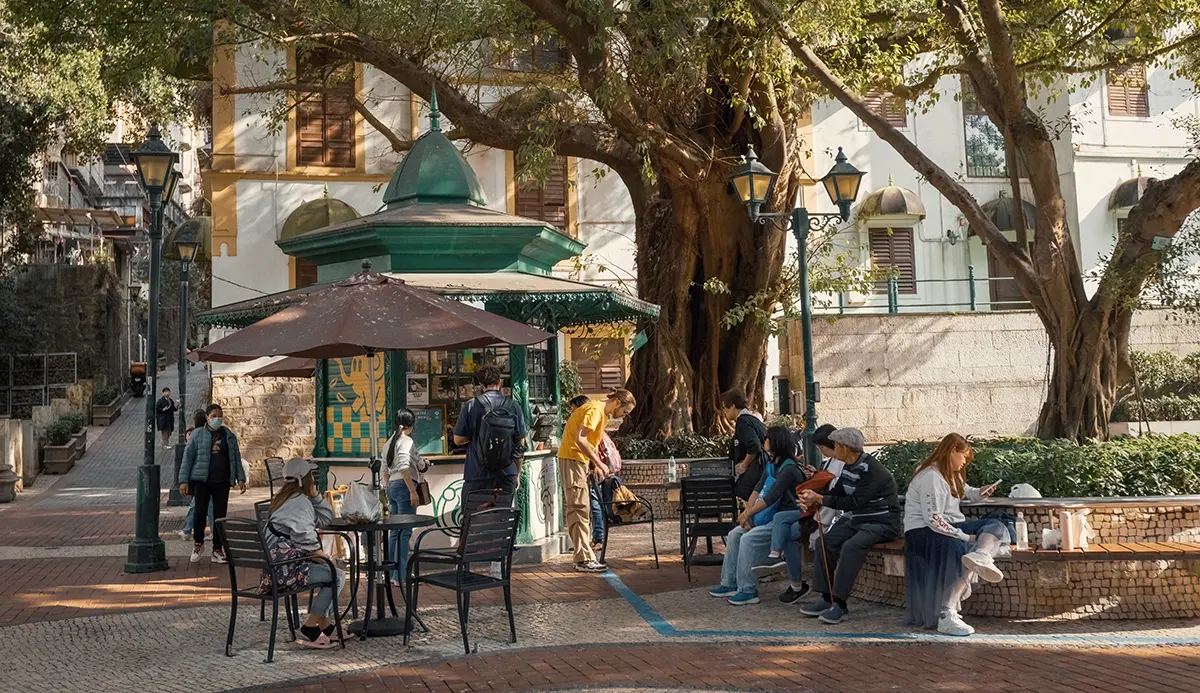
The figures indicate that Macau’s tourism industry is facing new challenges. As visitor spending habits evolve, the traditional model of large-scale shopping and entertainment is struggling to meet increasingly diverse traveler demands. Instead, tourists are opting for a “simple yet refined” approach to travel, seeking immersive experiences and deeper engagement with local culture – such as participating in community activities and sampling authentic cuisine. As a result, community tourism is seen as offering Macau’s SMEs a new pathway for growth and transformation.
Continued government promotion
“The potential for community tourism in Macau is immense, especially in areas within the World Heritage site and distinctive neighborhoods such as the Southeast Asian cultural zone of the Three Lamps District,” said Andy Wu Keng Kuong, President of the Macau Travel Industry Council. He emphasized that the new tourism concept should involve delving into local communities and listening to their stories, rather than simply sightseeing in haste.
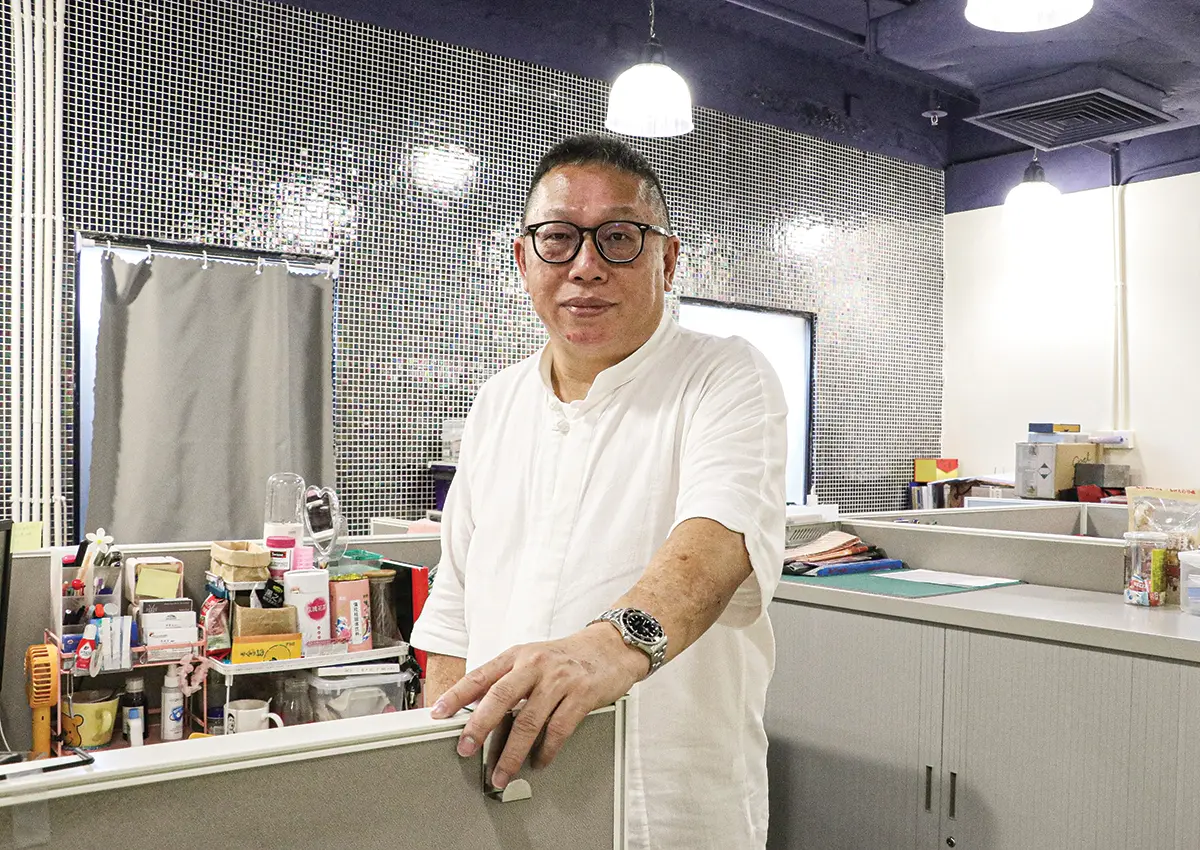
“This not only enhances the cultural value of communities, but also directly drives local business development and boosts sales,” he added.
Wu also believes that the development of community tourism requires stronger promotional efforts from the Macao SAR Government to raise awareness of unique neighborhood features and attract visitors to spend in these areas. He stressed that “creativity” is essential to community tourism.
“For example, the recent ‘Flora Fête with Sanrio characters’ in the Northern District combines photo-spot, shopping and entertainment, helping to draw visitors and increase foot traffic and sales for local businesses,” he said.
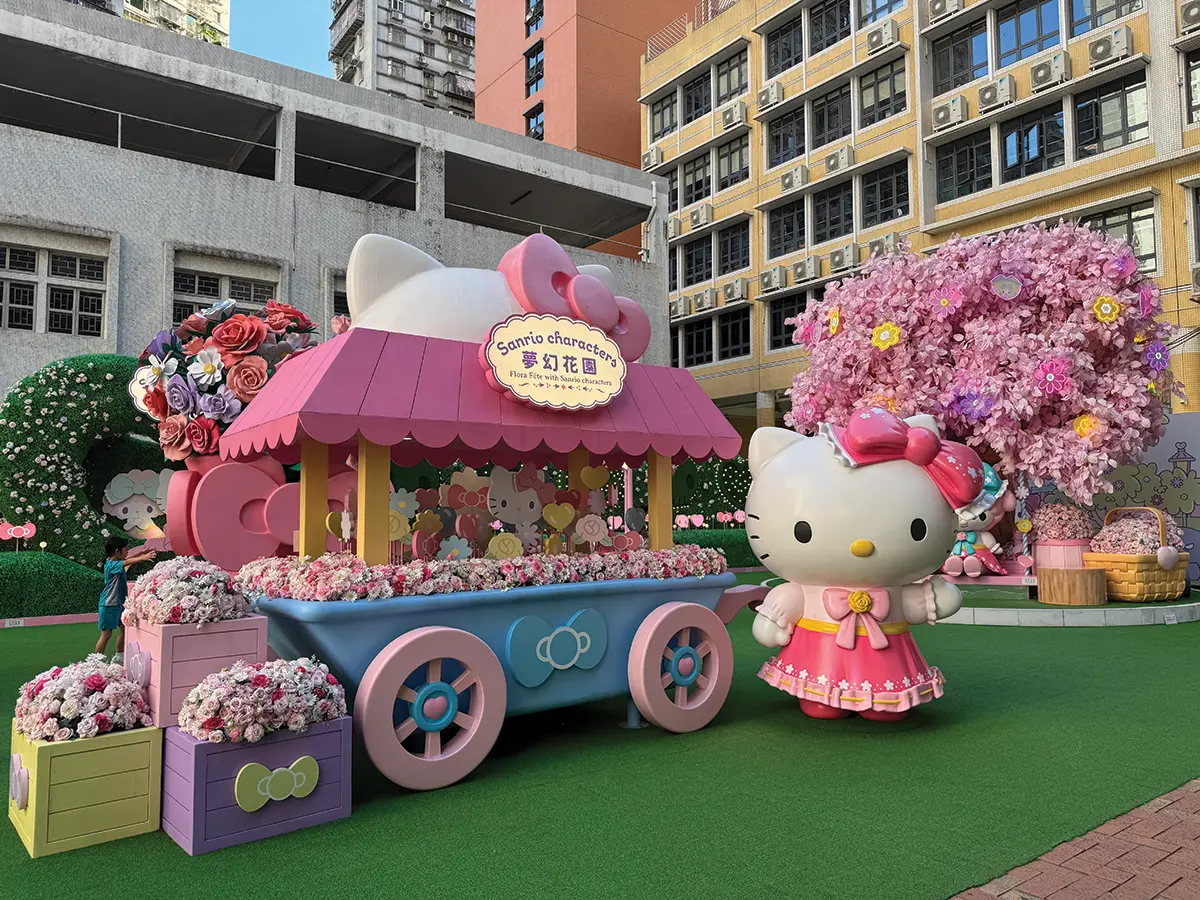
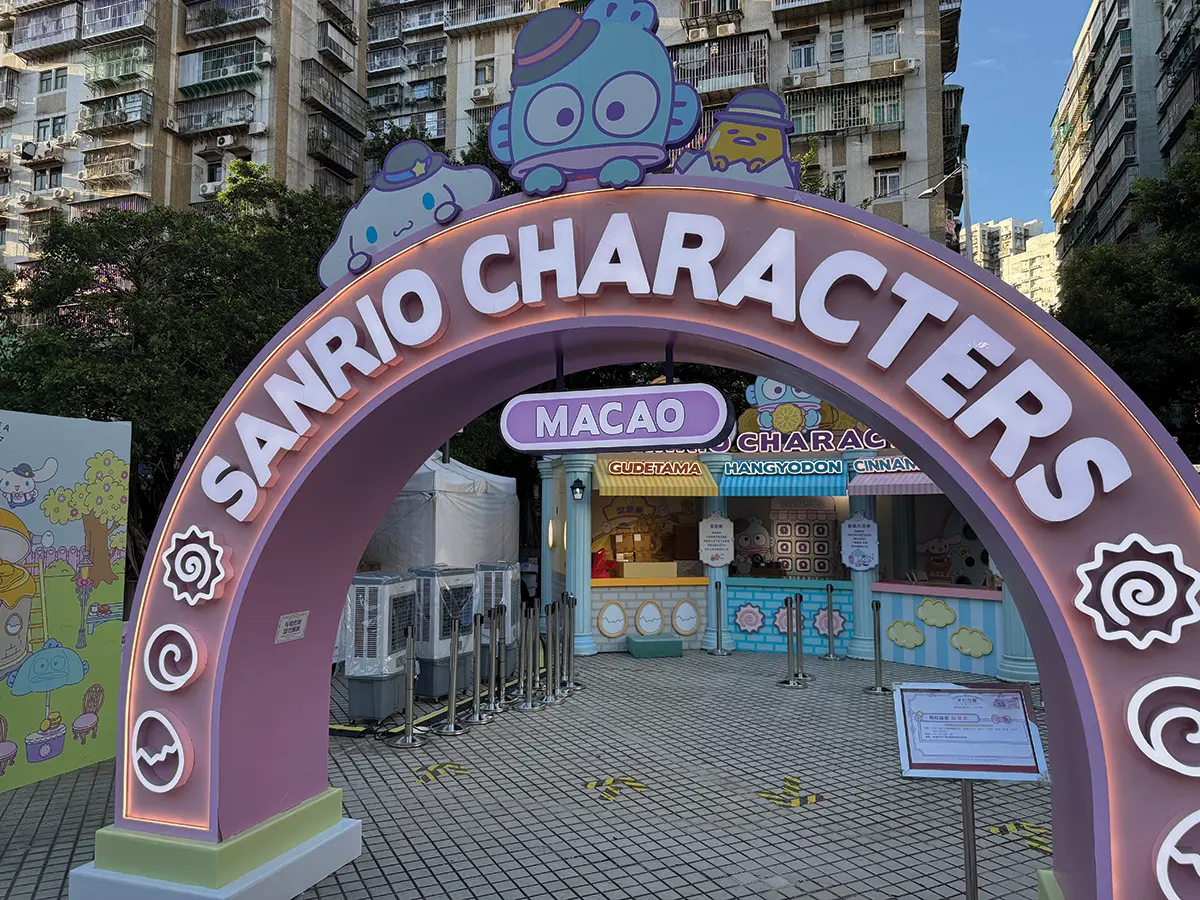
Aimed at boosting the community economy and attracting more visitors, the Economic and Technological Development Bureau, together with The Industry and Commerce Association of Macau Northern District, is hosting the “Flora Fête with Sanrio characters” event from 29 March to 13 October. The event features two large installations of Sanrio characters at Iao Hon Market Park and Praça dos Lótus, themed around food and flowers.
Beyond special events, the government has continued its “Travel Around Macao” community tourism financial support program in 2024, encouraging the travel industry to develop community-focused itineraries and guiding visitors to explore Macau’s diverse neighborhoods. By incentivizing merchants to participate, the government hopes to enrich tourism experiences, support SME transformation and promote the overall growth of the community economy.
Legislator Wong Kit Cheng commented that the development of community tourism resources is an important government task. “Although different communities are recovering at varying rates, each has its own unique appeal and resources,” Wong explained.
However, she pointed out that more in-depth promotional analysis is needed to target different visitor segments.
“While group tours may not often enter communities, individual travelers have diverse needs, so tourism products must be redesigned to better cater to these groups,” she said.

Revitalizing old districts
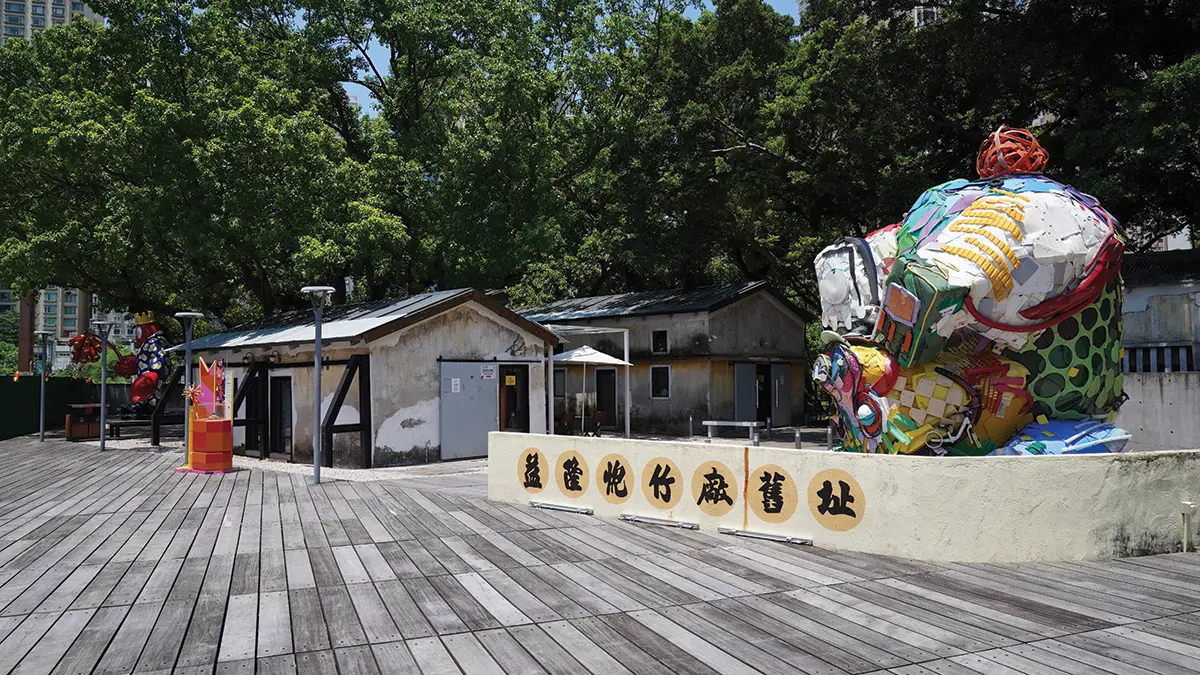
In addition to government support, Macau’s integrated tourism and leisure enterprises are playing an increasingly active role in promoting community tourism. By spearheading the revitalization project for old districts in Macau, these companies are integrating community tourism with cultural heritage preservation, encouraging visitors to explore deeper into local neighborhoods. Such initiatives are now underway across several areas of the city, including the historic Barra district, the once-bustling Rua das Estalagens commercial street and the iconic Iec Long Firecracker Factory, representing Macau’s traditional handicraft industry.
Resort operators have hosted a wide range of activities in these revitalized areas, from street art exhibitions and cultural fairs to music performances. These efforts have injected new vitality into the communities while enhancing the overall visitor experience. By attracting tourists to participate in community-based events, these businesses have effectively extended the benefits of tourism into local neighborhoods, supporting small businesses and further shaping Macau’s image as a cultural tourism destination.
Speaking on the importance of revitalization, Wu observed, “These programs highlight the community’s cultural experiences, allowing visitors to appreciate the district’s unique charm while spending, which helps increase their willingness to consume.”
Legislator Wong added that among the six major old district revitalization plans, she hopes the government will step up efforts – potentially aligning with both short- and long-term development strategies. For more established areas, she recommends increased promotion to attract even greater numbers of tourists.
Transportation choices remain central
Despite various initiatives by the government and enterprises to promote community tourism, transportation remains the fundamental key to further development. Poor transport connectivity continues to be a major barrier for visitors wishing to explore Macau’s neighborhoods more deeply.
“If supporting transport infrastructure is lacking, even tourists who are interested in a particular community may ultimately abandon their plans to visit due to inconvenience. This negatively impacts local business development,” said legislator Wong. She stressed that the attractiveness of community tourism depends largely on how easily visitors can access these neighborhoods.
Wu added that, while current hotel shuttle buses do provide some convenience, there is still a need for the government to introduce targeted transport measures that connect ports of entry or hotel resorts directly with local communities, making it easier and quicker for visitors to reach these areas.
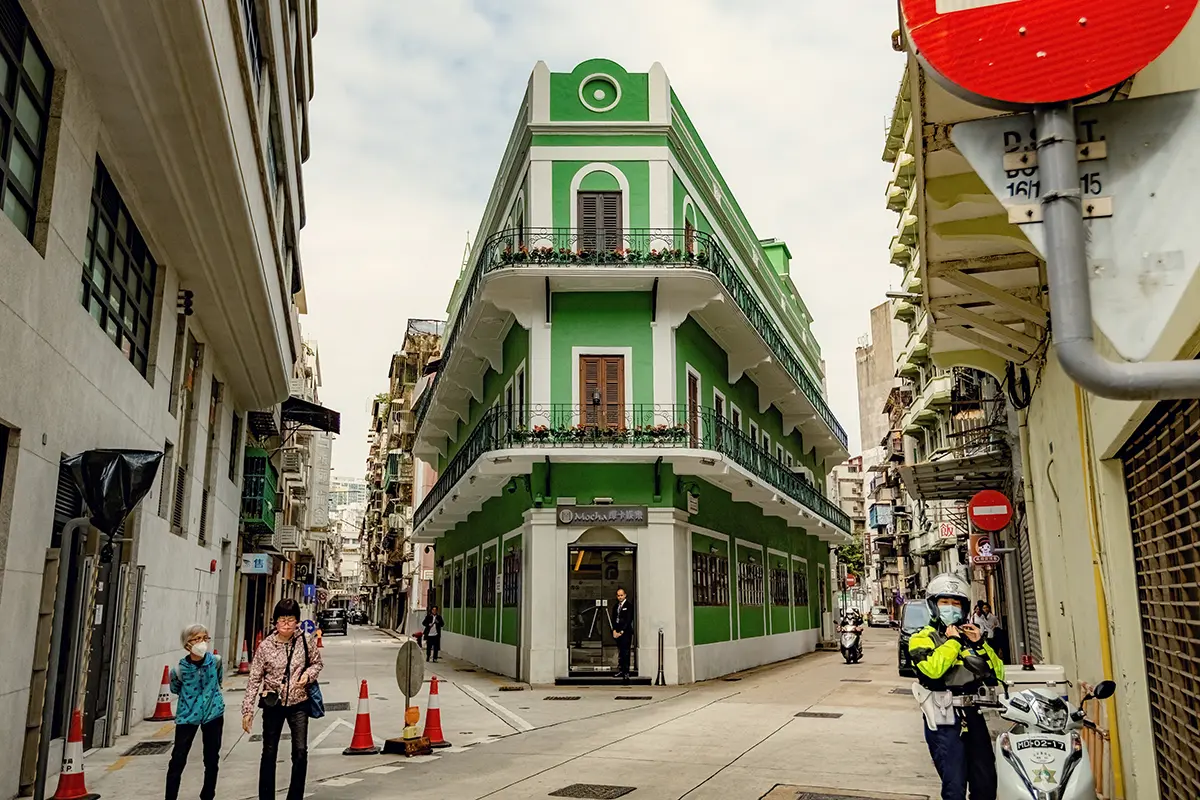
“The existing point-to-point model in some ways restricts the range of movement for tourists, particularly for independent travelers and families,” Wu noted.
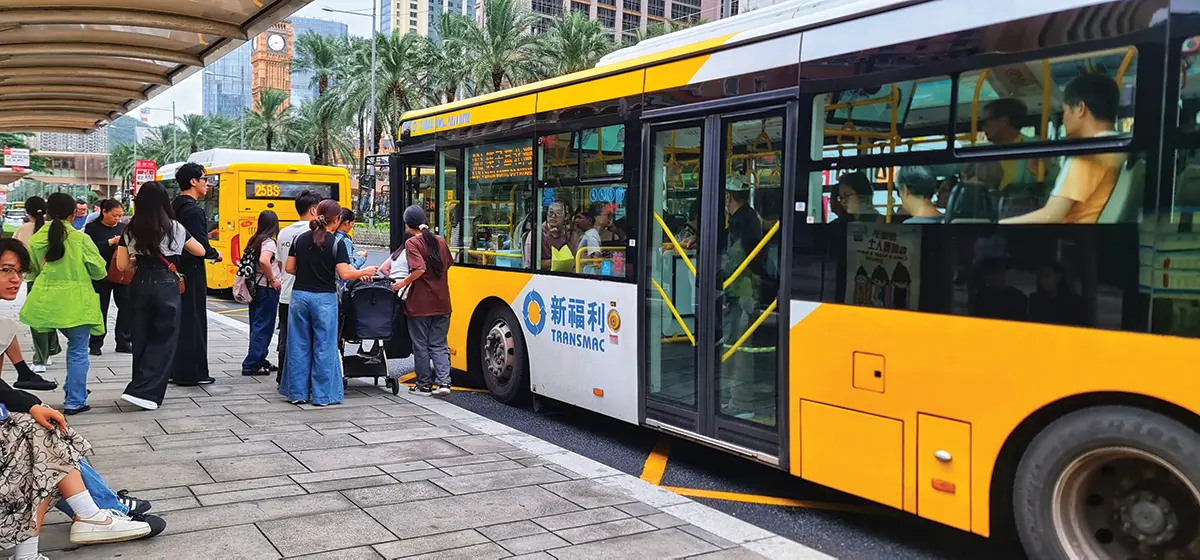
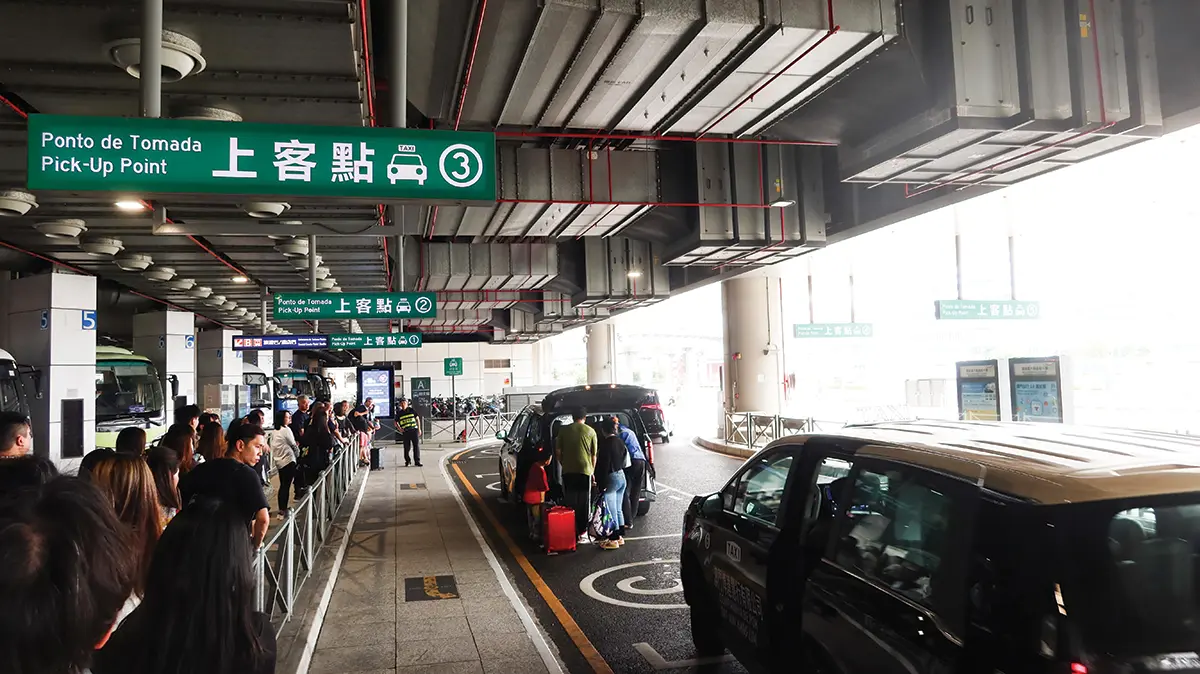
In Macau, the main modes of transport for visitors include buses, taxis and hotel shuttle buses – with the latter being the most heavily relied upon. The popularity of hotel shuttles is largely due to their efficient point-to-point service, which allows tourists to reach hotel resorts quickly and directly.
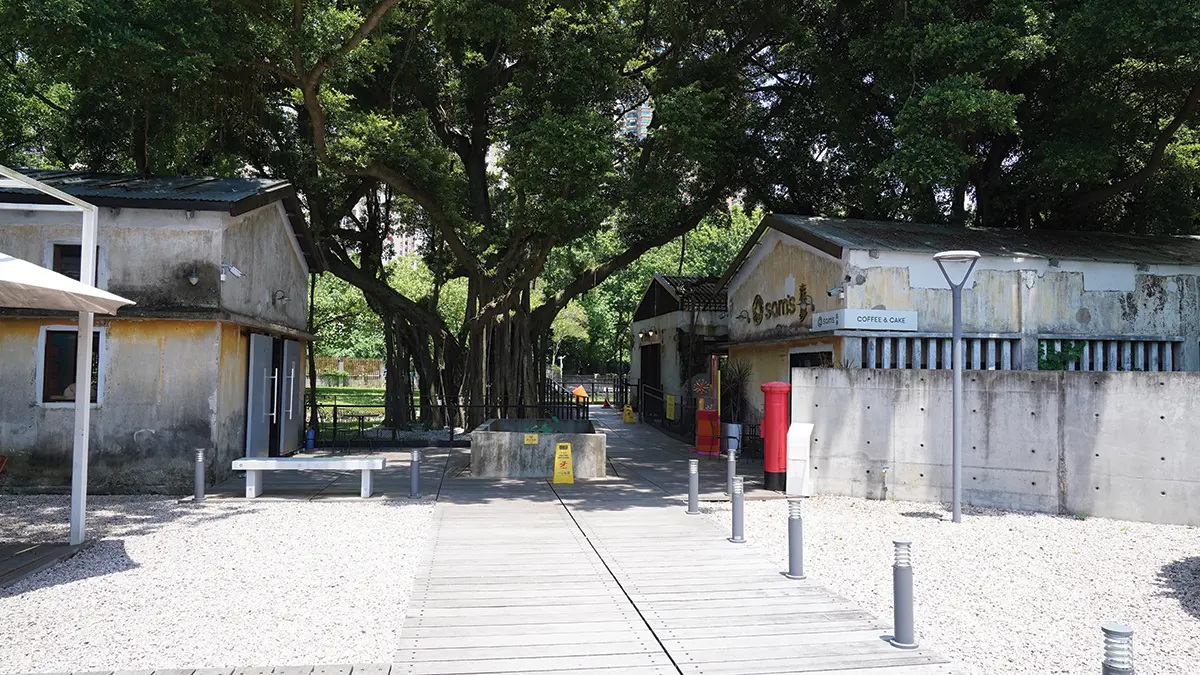
Wu stressed that improving transportation is crucial to fostering the growth of community tourism. He suggested that the government consider launching more dedicated public transport services for tourists or partnering with the taxi industry to provide more flexible travel options for visitors.
Wong echoed this view, pointing out that government efforts to revitalize and promote communities must go hand-in-hand with improved transport infrastructure if they are to truly attract tourists into local neighborhoods.
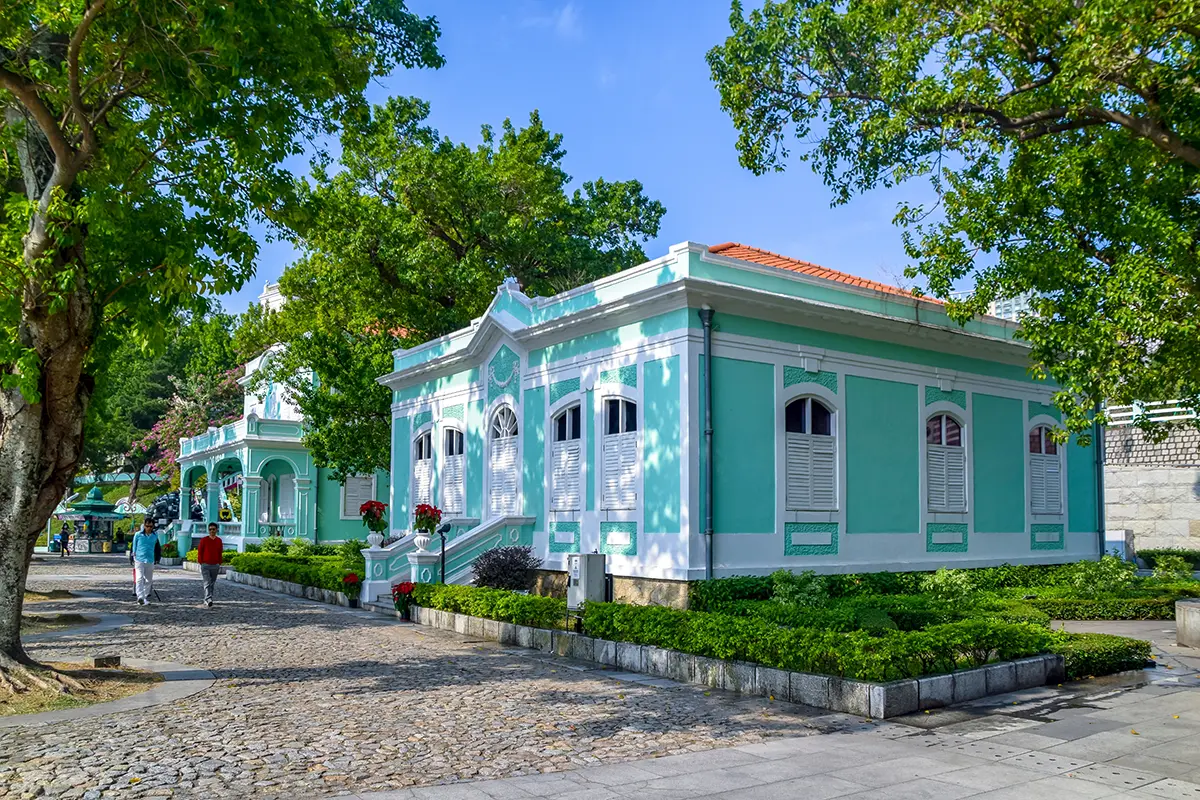
“Transportation planning should look at how to better connect major tourist attractions and community areas,” she said, “so as to enhance the overall visitor experience.”
Diversity and mutual benefit
As travel patterns continue to evolve, the potential of community tourism in Macau is steadily being unlocked, creating a vital platform for win-win collaboration between SMEs and the tourism industry. At the same time, the inclusiveness of local residents is becoming increasingly important, as the success of community tourism depends on their support and participation.
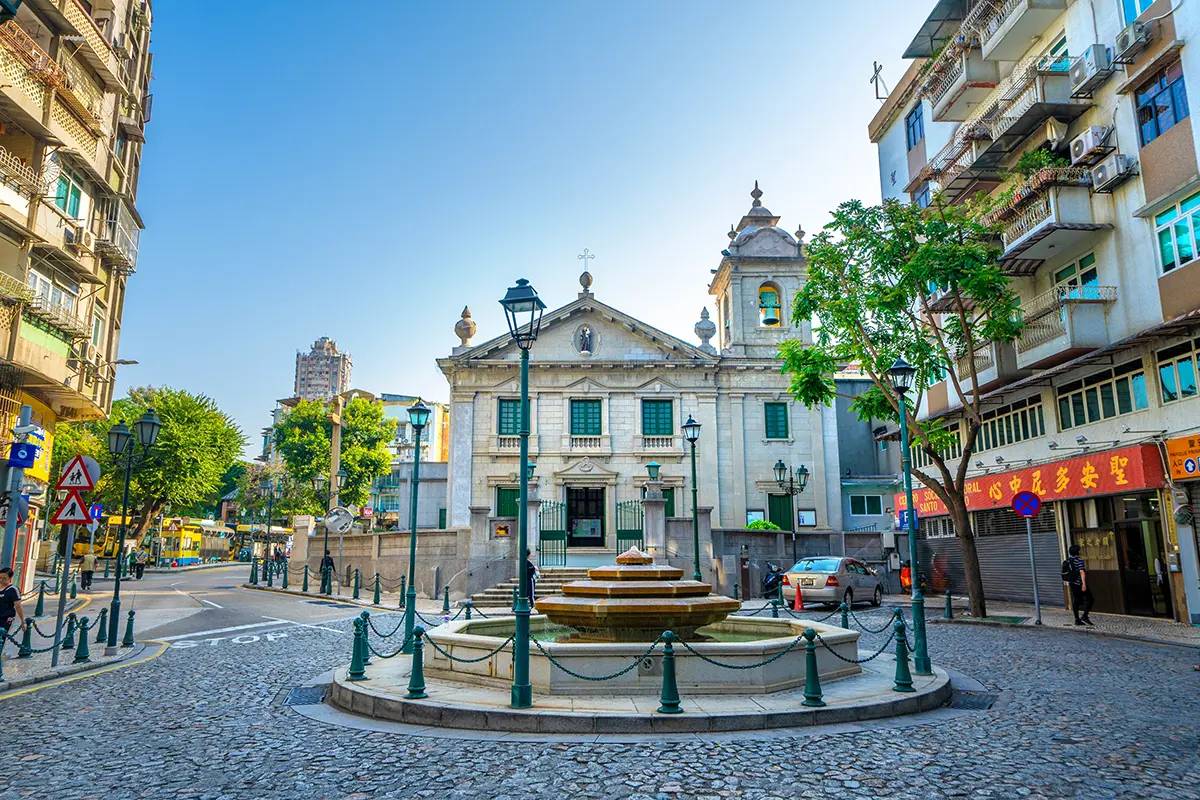
Looking ahead, Macau must continue to leverage its cultural and historical strengths while combining them with the development of innovative tourism products to attract more visitors to engage in community-based tourism. In this process, fostering local residents’ acceptance of and participation in tourism activities will be key to enhancing both community cohesion and the visitor experience.
Equally crucial is close collaboration between government and enterprises. Only through the integration of resources, strong policy support and continuous improvements to transportation can community tourism achieve comprehensive development and strengthen Macau’s competitiveness as a tourism destination. In this way, local communities can offer unique experiences to visitors while also reaping tangible benefits – achieving shared prosperity for both residents and the tourism sector.