Macau, a city celebrated for its unique blend of Eastern and Western cultures, has long been recognized for its diverse and inclusive society. This issue of New Macau delves into the current landscape of equal opportunities in the city, examining its evolution and future direction through legal frameworks, women’s employment and policies supporting people with disabilities.
Equal opportunity is a cornerstone of social progress and many jurisdictions enshrine “equality” as a fundamental legal principle. In Macau, the concept is primarily embodied in the Basic Law and related legislation.
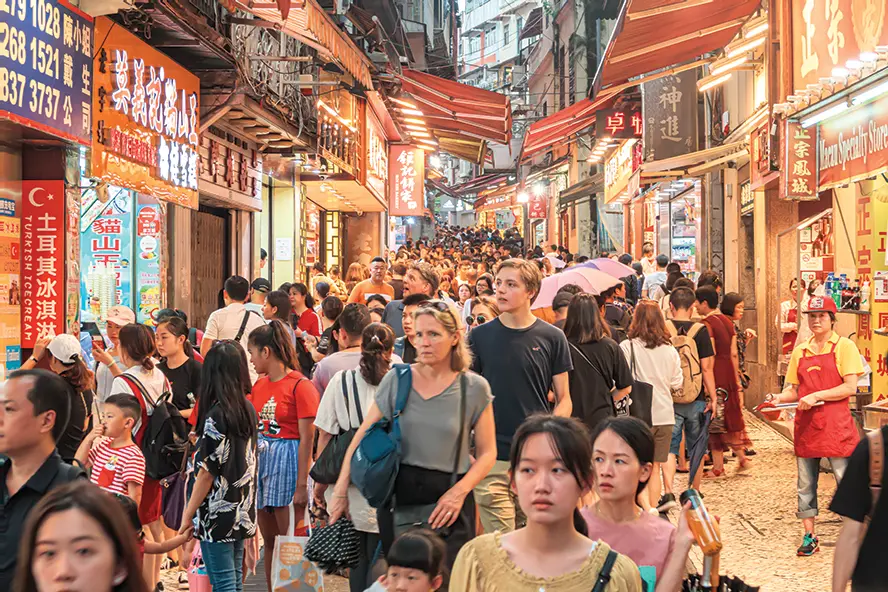
Article 25 of the Basic Law of Macao clearly states, “All Macau residents shall be equal before the law, and shall be free from discrimination, irrespective of their nationality descent, race, sex, language, religion, political persuasion or ideological belief, educational level, economic status or social conditions.”
As a civil law jurisdiction, Macau has developed a comprehensive legal system rooted in the Basic Law to uphold equality. This is particularly evident in the Labour Relations Law, which outlines multiple provisions to guarantee equal opportunities and treatment for both male and female workers.
The Labour Relations Law guarantees that all residents enjoy equal access to employment, free from discrimination based on nationality, social origin, descent, race, color, gender, sexual orientation, age, marital status, religion or political or ideological beliefs. It also explicitly mandates equal pay for equal work, regardless of gender.
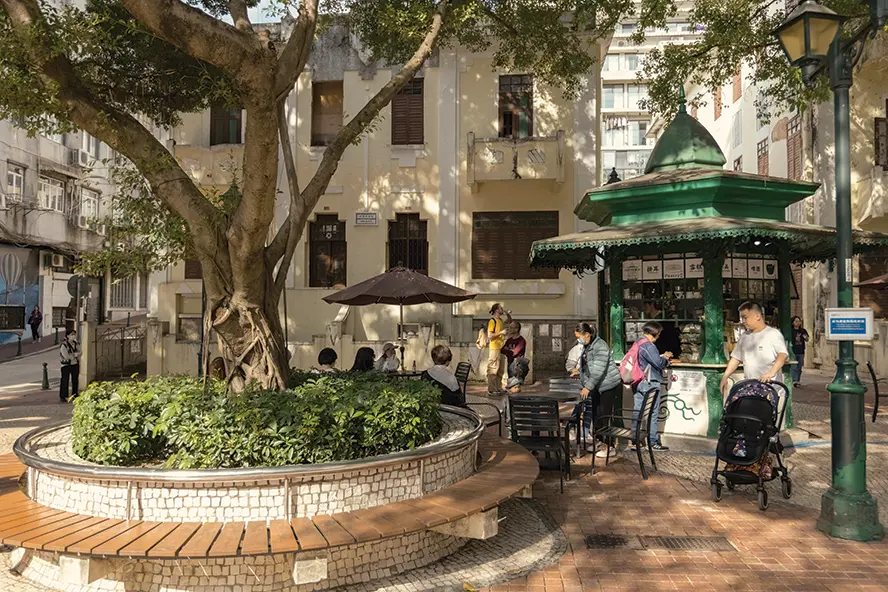
Beyond employment, Macau has enacted additional legislation to safeguard equal rights. This Law on the Protection of the Rights of Persons with Disabilities ensures equal access to education, employment and daily life for individuals with disabilities, and promotes the development of a barrier-free society.
Meanwhile, the Law on the Prevention and Combating of Domestic Violence provides legal protection for vulnerable groups – particularly women and children – against unfair treatment stemming from family relationships.
Upholding equality and combating discrimination are fundamental principles of Macau’s legal system. The government remains committed to strengthening its legal framework and advancing policies that support marginalized and vulnerable communities.
Female employment
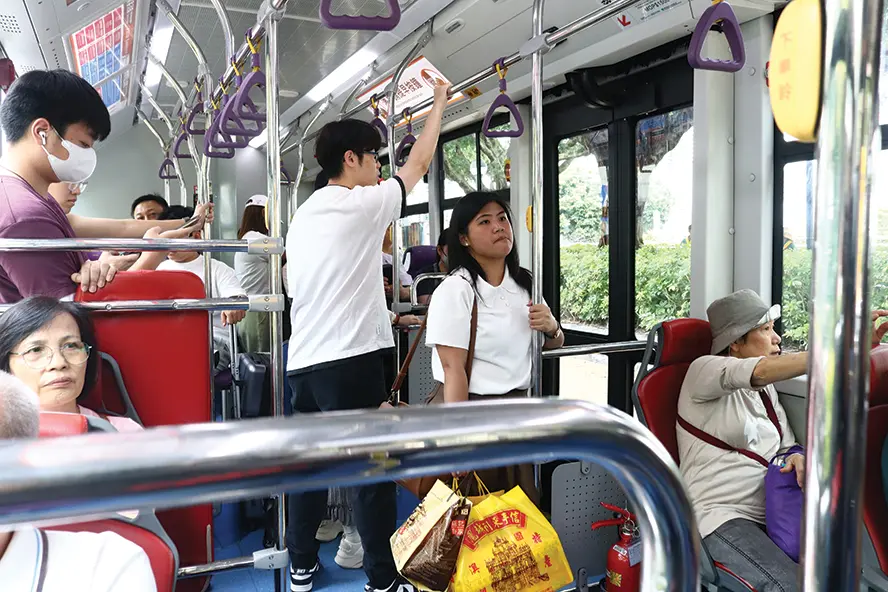
Since Macau’s return to China in 1999, it has steadily advanced its social welfare policies with continuous improvements across various sectors. Women have played an increasingly prominent role in society, making notable contributions in both education and the workforce. Today, Macau actively protects women’s rights in areas such as healthcare, education, employment, safety and social welfare.
Government statistics show a significant rise in female labor force participation – from 56.1% in 1999 to 65.2% in 2023 – marking a 9.1 percentage point increase. The gender gap in labor participation has also narrowed considerably, dropping from 20.3% in 1999 to just 6.0% in 2023.
The gender pay gap has seen similar progress. In 2023, the pay gap between male and female residents stood at 2%, notably lower than the average among member countries of the Organization for Economic Co-operation and Development (OECD).
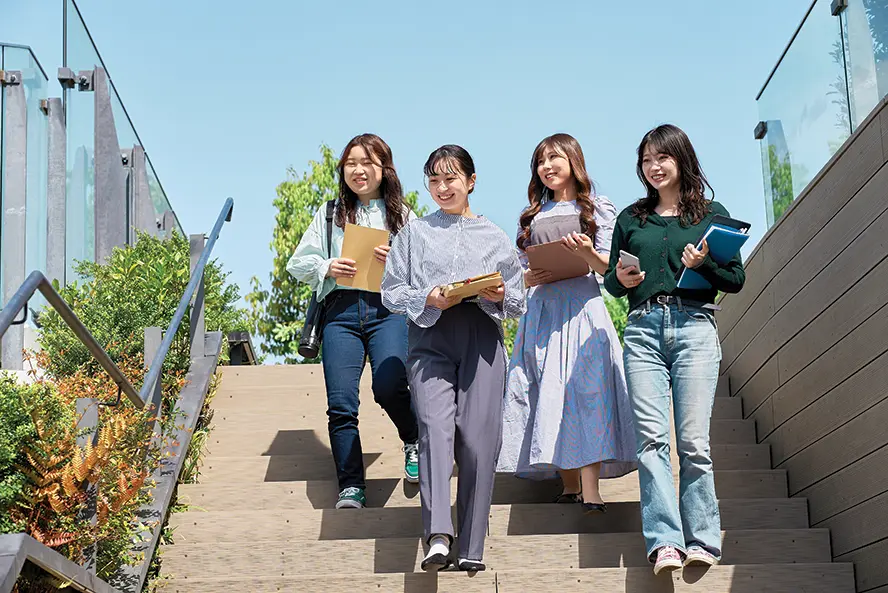
In the public sector, women are well represented. In 2023, 44.9% of civil servants and 40.7% of leadership roles were held by women. The proportion of female judicial officers even surpassed 50%. Among the nine principal officials of the sixth-term Macau SAR government, three are women — a strong indicator of the equal opportunities available to women in politics, public administration and civil service.
However, disparities remain in senior decision-making roles. A 2022 report by the Macau Women and Children Affairs Committee revealed that 11,500 women held executive or managerial positions, compared to 19,500 men – a ratio of approximately 0.59:1.
Despite this gap, collaborative efforts between the government and private enterprise have led to meaningful progress. Many organizations now actively nurture female leadership through initiatives such as professional training, flexible work arrangements and support for work-life balance. Some large companies have adopted gender-balanced employment policies, ensuring equal promotion opportunities. As a result, the proportion of women in managerial roles now exceeds 40%.

Societal attitudes toward gender roles are also evolving. Traditional Chinese norms, such as “men work outside, women care inside” are gradually giving way to more equitable divisions of labor. The concept of gender mainstreaming is increasingly embraced in family life, encouraging shared household responsibilities and greater male involvement in childcare. Some families have even adopted the model of “men taking charge inside, women working outside”, reflecting a progressive shift toward gender equality in the home.
Supporting people with disabilities
As Macau continues to develop economically and socially, there is growing awareness and advocacy for the equal rights of people with disabilities. The Macao SAR government is committed to ensuring that individuals with disabilities enjoy the same rights as all residents, with fair access to employment, education and healthcare through a robust legal framework.
The government has incorporated the Convention on the Rights of Persons with Disabilities into its local legal system and enacted Decree-Law No. 33/99/M, which guarantees people with disabilities the same rights and obligations as other residents. The law also mandates that public departments take proactive measures to accommodate their specific needs.
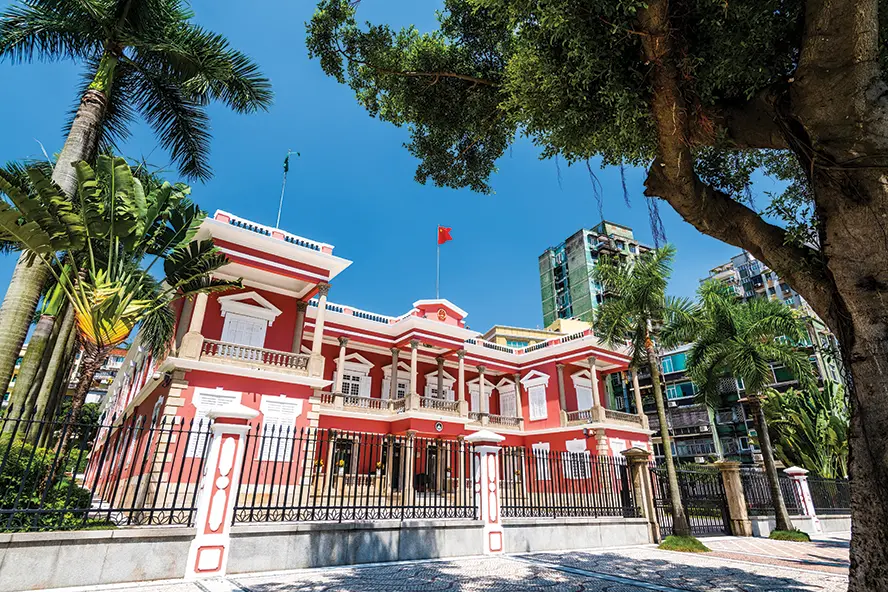
To promote a barrier-free environment, the government introduced the Architectural Standards for Designing Universal and Barrier-Free Projects in the Macao SAR. These standards have been integrated into the design requirements for public infrastructure, ensuring that all newly constructed or renovated public buildings and roads fully comply with accessibility guidelines.
On 2 January 2024, the government launched a one-year pilot program called the Barrier-Free Assistance Officer Programme. Under this initiative, public departments designate trained staff to support accessibility, helping individuals with disabilities use public services as independently and autonomously as possible.
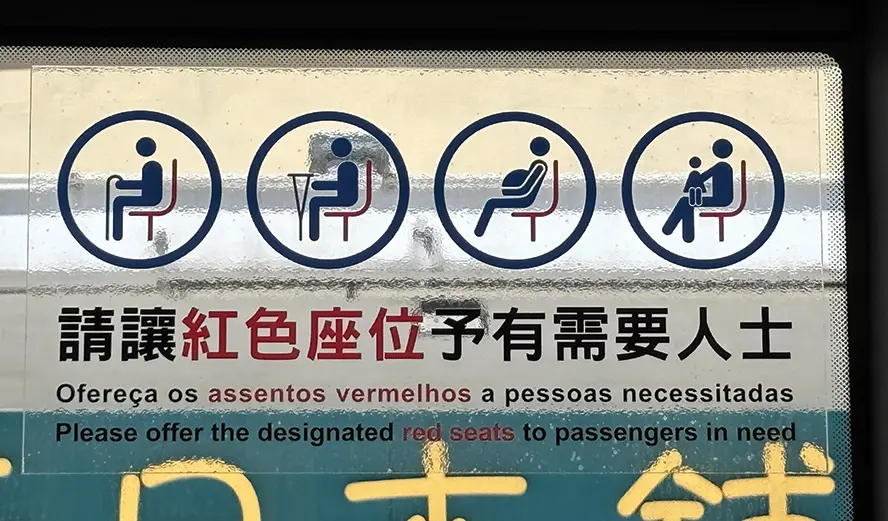
Macau’s private sector has also embraced its social responsibility in building a more inclusive society. Major enterprises have contributed by donating to relevant organizations, hosting job-matching events and creating tailored roles to help people with disabilities integrate into the workforce.
Educational equity is another key pillar in promoting equal opportunities. Protecting the rights of children with disabilities is vital for cultural continuity and social inclusion. Inclusive education has become a central focus of Macau’s education policy.
The SAR government has embedded inclusive education into its Medium- and Long-Term Planning for Non-Tertiary Education (2021–2030), pledging to support schools in forming inclusive education teams, expanding resources for therapy and training services and providing ongoing professional development for teachers.

Ethnic minorities and immigrants
As a multicultural city, Macau is home to people from diverse backgrounds, including Portuguese nationals, Filipino workers, Indonesian laborers and various ethnic groups from mainland China. Ensuring equal opportunities for ethnic minorities and immigrant communities has become an increasingly important social issue. With continued societal progress, both the government and various sectors are placing greater emphasis on promoting inclusion and fairness for these groups.
The Macao Youth Policy (2021-2030) highlights the importance of fostering young peoples’ understanding, respect, acceptance and inclusion of diverse cultures. Authorities have also pledged to enhance care and support for ethnic minority communities.
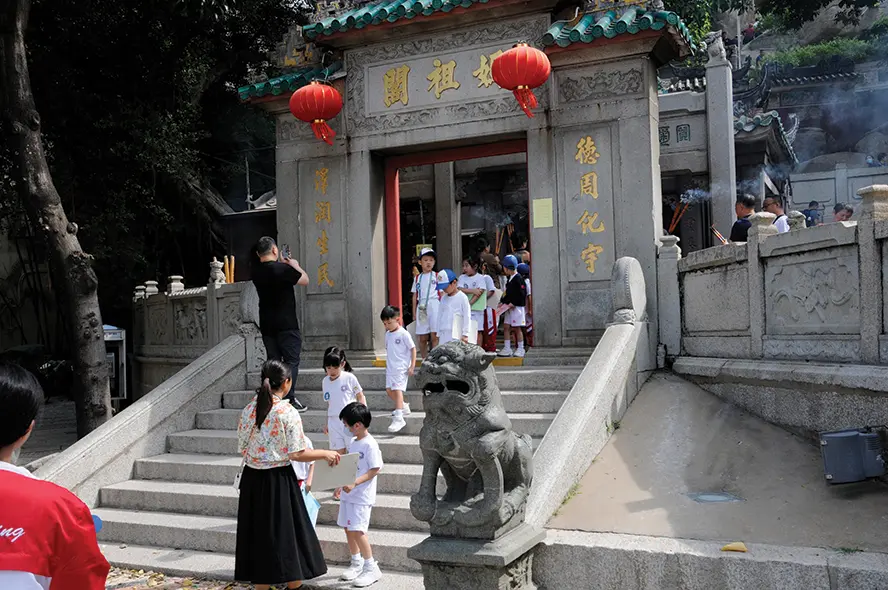
Macau’s large corporations play a key role in promoting equal opportunities for ethnic minorities and migrant workers. Many companies recruit talent from around the world, offering equal employment opportunities to individuals from different cultural and ethnic backgrounds. These organizations also host multicultural events to encourage communication and mutual understanding among employees, contributing to a more inclusive workplace and society.
From legal protection and women’s employment to the rights of persons with disabilities, Macau has made significant strides in promoting equal opportunities. However, challenges remain. Notably, Macau currently lacks a comprehensive legal framework specifically addressing anti-discrimination, as well as a dedicated authority to handle cases of discrimination or unfair treatment.
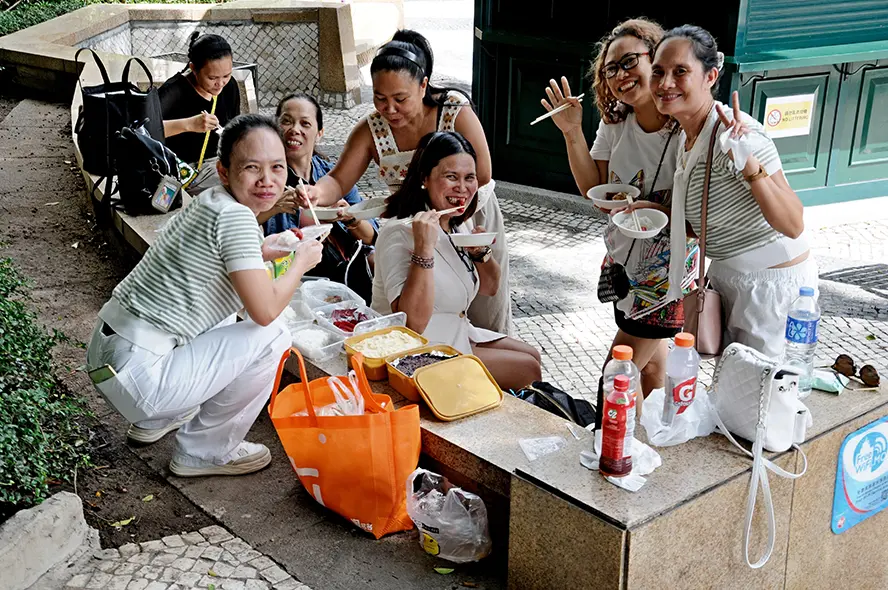
While existing laws contain provisions against discrimination in employment, as well as provisions addressing discriminatory elements in criminal acts (such as hate crimes), there is no overarching legislation that systematically addresses all forms of discrimination. In the future, Macau may consider refining its legal framework or establishing an institution similar to Hong Kong’s Equal Opportunities Commission, which could serve as a centralized body to address discrimination and safeguard equal rights more effectively.
Achieving true equality requires collaboration across government, businesses and the broader community. While Macau has made commendable progress, there remains substantial potential for further advancement. Continued improvements to the legal system, broader coverage of anti-discrimination laws and stronger protections for all social groups will help build a society that embraces diversity and fosters harmonious coexistence.