With record-breaking tourist and hotel visitor numbers, Macau’s overall economy has been steadily recovering. However, hidden behind the statistics are severe challenges posed by a “super-aging society” and “caregiver fatigue.”

Macau’s social welfare can no longer remain merely on the surface of resource allocation but must delve into the precise protection of the dignity of life. This edition of New Macau will explore, through interviews and policy analysis, how Macau is transforming from a traditional relief model into a social care system based on cooperation between the government, businesses and institutions.
From “Lotus Blossom Land” to “Welfare Highland”
Macau’s social welfare originated from a unique tradition of grassroots charity. In the early years, organizations such as Caritas, the Macau Federation of Neighbourhood Associations and the Macau Trade Union Federation took the lead. In an era of limited government resources, social care policies focused on refugees, low-income individuals or sudden disasters. However, in 2026, these are no longer the main battlefield for Macau’s social services.
Currently, Macau has established a “welfare highland”, with the government as the main leader and social participation as a supplement. In the context of global inflation and high prices, Macau faces challenges beyond mere survival; the challenge lies in achieving equality in terms of quality of life. Furthermore, as Macau heads towards a “super-aged society”, the focus of social welfare has shifted from early poverty relief and disaster relief to targeted support for the chronically ill, severely disabled and mental health groups.
Macau’s social welfare system entered a “precision” phase in 2026. Caritas Macau Director-General Pan Zhiming emphasized that current social welfare measures are now based on “division of labor, each fulfilling its own purpose.” This is not only a tacit understanding among charitable organizations but also the core logic of Macau’s Public-Private Partnership (PPP) model.
Analysis of the current policy system
The most obvious example of Macau’s welfare policy is undoubtedly the Cash Sharing Scheme – a social welfare measure that has been in place for 17 years. However, what truly supports social stability is the two-tiered social security system. The first tier of the social security fund ensures basic living standards, while the second tier, the non-mandatory Central Provident Fund, strengthens residents’ retirement resilience through government funding and contributions from individuals and employers. Non-profit organizations primarily aim to fill gaps in the system and support marginalized individuals who cannot access social security due to special circumstances.
For families facing extreme poverty, the Social Inclusion Scheme provides dynamic economic support. In the fields of healthcare and education, Macau demonstrates a strong commitment to public welfare: public medical services (such as emergency care and specific hospitalizations) enjoy a 30% fee reduction, the government issues electronic medical vouchers annually and Macau offers 15 years of free education, among other benefits.
Housing policy is also one of the most closely watched welfare policies. Macau’s early “Five-Tier Housing Policy” includes a constant application system for social housing, ensuring priority for low-income families, and elderly apartments incorporating smart healthcare directly address the housing challenges of an aging population, as mentioned by Pan, alleviating the burden of family care.
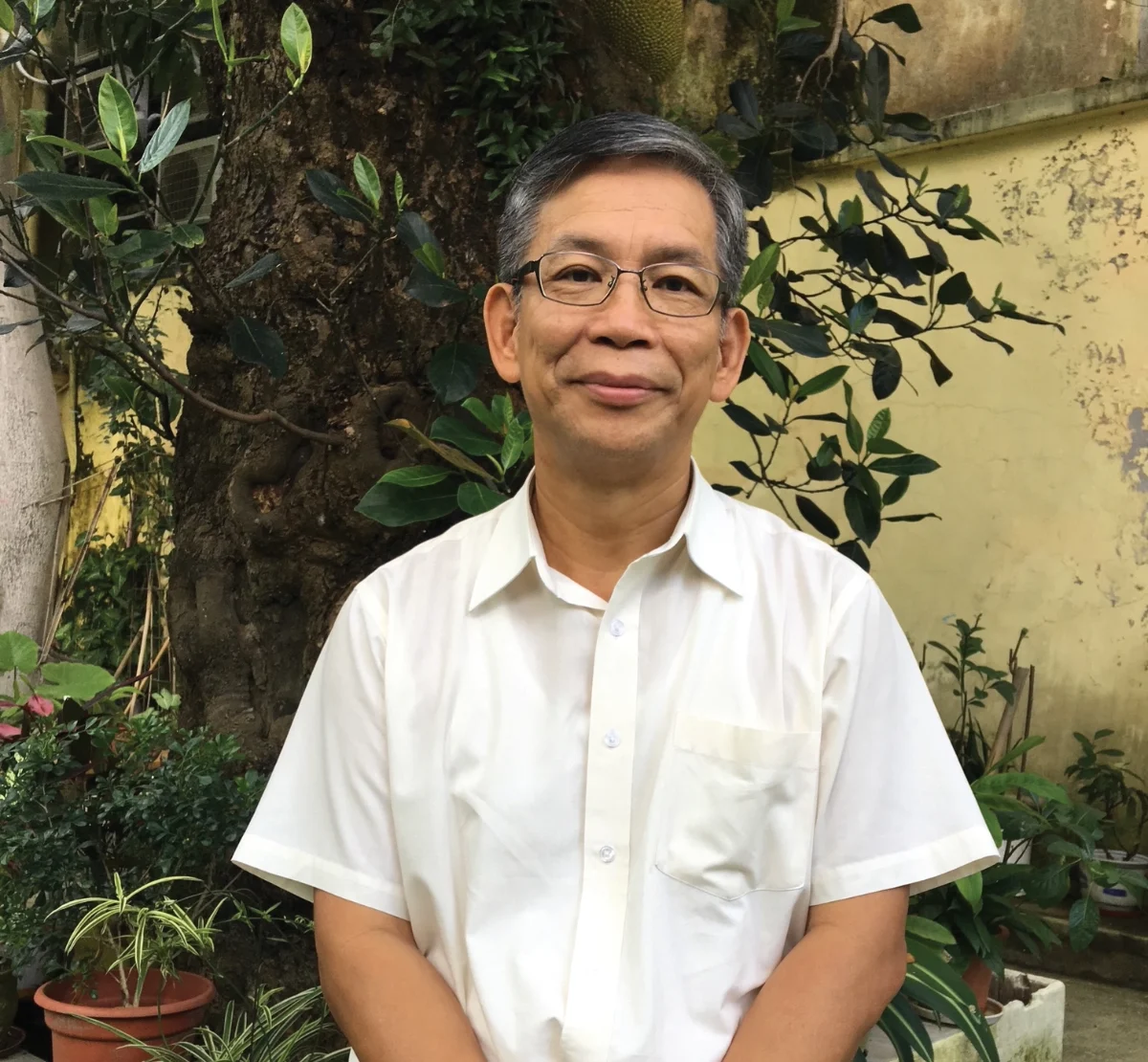
Social welfare organizations like Caritas Macau are responsible for areas often overlooked by the government, reaching out to vulnerable communities deep within the community. For example, Caritas’ Bishop’s Hill Children’s Center and special education schools for people with moderate to severe intellectual disabilities act as a last line of defense inaccessible to the mainstream system.
The synergy between government funding and Corporate Social Responsibility (CSR)
In the development of non-profit organizations (NGOs), the source of funding and resources often determines the stability and innovation of services. Pan pointed out that while government funding is the cornerstone of maintaining the organization’s operation, corporate participation is an indispensable key force in promoting social inclusion and filling service gaps.
Pan stated frankly that government funding is crucial for NGOs, providing primary and stable operating resources. However, CSR plays a unique role in the pioneering phase of social services.
He explained that government funding usually favors mature and large-scale services, while newly established, experimental or unfunded services are best supported by socially responsible enterprises.
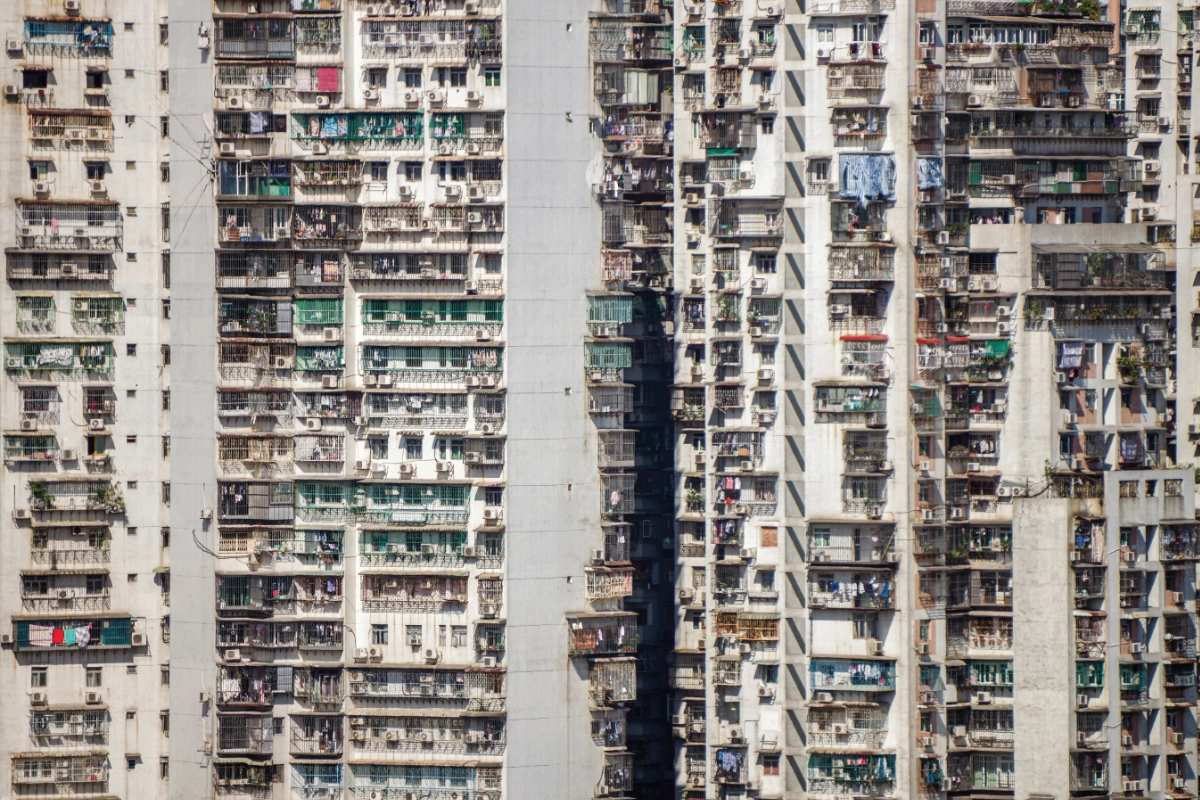
“Corporate assistance can fill gaps not yet covered by government funding”, Pan said. “Through initial corporate investment, new services can get off the ground, and this is the starting point for cooperation between the two parties.”
Pan cited Caritas as an example, recalling how many services initially relied on borrowing initial funds or seeking private sponsorship to launch. For instance, the Up the Stairs (accessible mobility) service was initially partially funded by a generous individual, allowing the service to be established from scratch.
Once a service has proven its effectiveness and social value through a period of practice, the government often intervenes to provide funding, forming a successful model of “corporate support for initial launch and government support for long-term sustainability.” For businesses, this model not only allows for relatively controllable costs but also provides the opportunity to witness the service’s growth from nothing, resulting in a significant sense of accomplishment and pride.
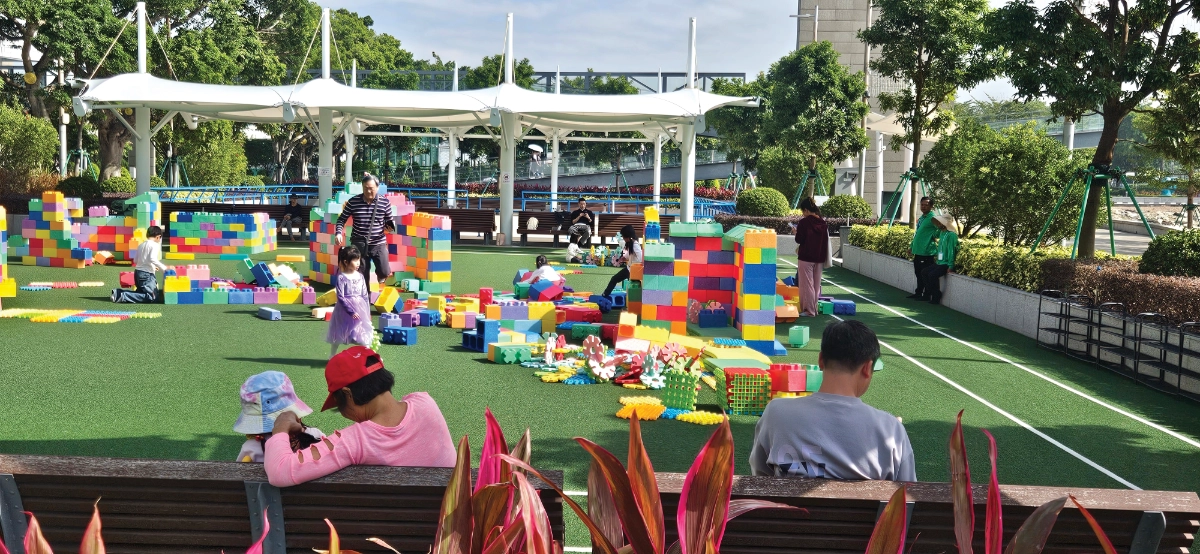
Regarding his views on the development of local non-profit organizations, Pan emphasized that “value stems from uniqueness.” He believes that organizations should not simply repeat existing service offerings but should keenly identify the most pressing needs in society that others have not yet addressed.
He cited childcare services as an example, pointing out that if there are already enough childcare facilities in the community, institutions should not blindly invest further, to avoid resource duplication. Conversely, facing an aging population, the demand for elderly care homes is increasing. He called on more institutions to join the ranks of elderly care services, sharing this heavy social responsibility and making the service network more comprehensive.
Existing social challenges: The caregiver crisis
Although the tourism industry has delivered impressive results, improving the overall economy, Pan observed that Macau’s social structure is under considerable pressure – the impact of “super-aging.”
According to data from the Macau Statistics and Census Service, only 2,870 babies were born in 2025, slightly higher than the number of deaths (2,424). The trend of declining birth rates is severe, and the future demand for education and social services is expected to adjust due to the population downturn, with the population structure continuing to age.

Faced with this problem, Macau has officially become a “super-aging society.” Pan pointed out that this is an urgent issue for Macau. With the rising dependency ratio, the challenge facing society lies in service saturation. Existing care home beds are nearing full capacity in 2026, with long-term care resources, particularly for elderly people with dementia and severe disabilities, remaining severely strained.
Faced with a “super-aging society”, caregivers become a core group of social welfare concern. Pan bluntly stated that when a family has a family member with a chronic illness or dementia, the suffering often extends beyond the patient to their children.
“To care for their parents, children may need to frequently take leave or even give up their jobs, directly leading to family financial instability and creating new mental health problems”, he said.
Although Macau provides a caregiver allowance of MOP 2,400 per month and has lowered the application threshold, many “sandwich generation” caregivers struggle with labor shortages and family conflicts, becoming invisible victims of the system.
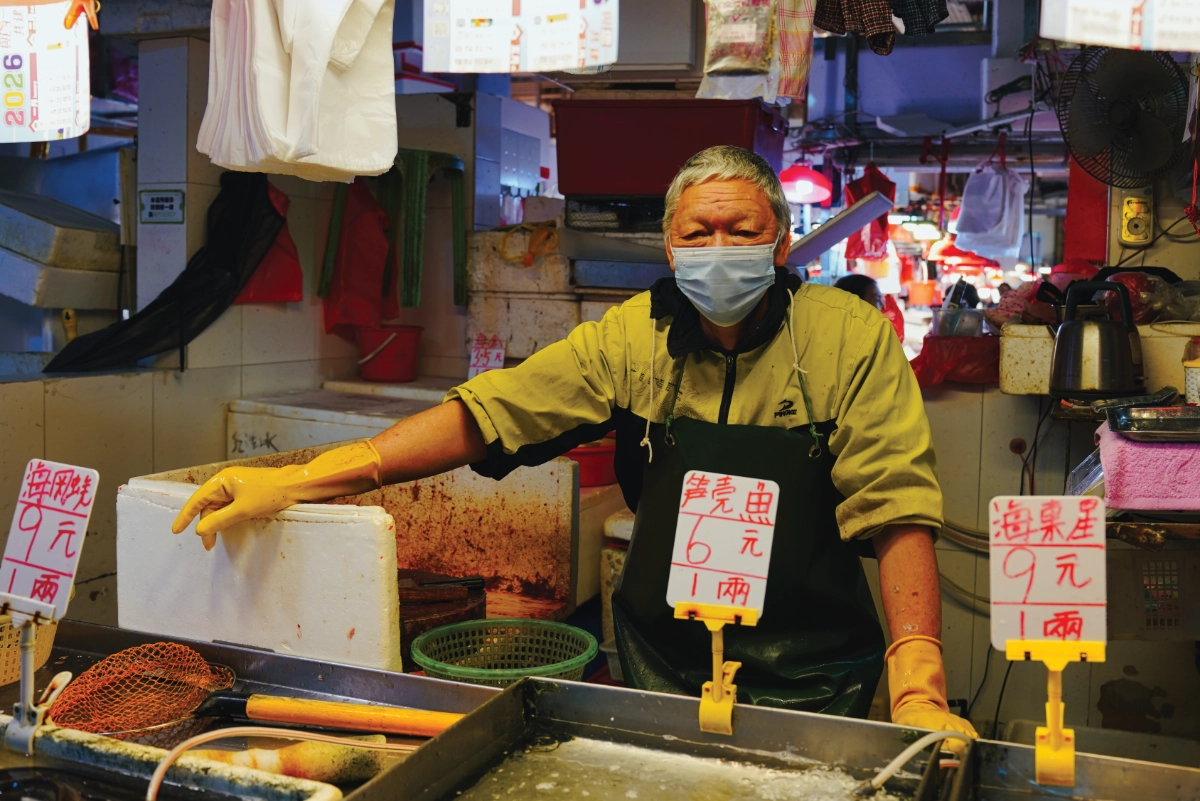
This is not only a problem for Macau but also a serious challenge for global integration. Pan urged society to include caregivers at the core of its policy perspective. Without sufficient care home resources, temporary care services or allowances, the burden of a “super-aged society” will cripple an entire generation of workers. As Macau enters a “super-aged society”, future service priorities will no longer be limited to the elderly themselves but will require the establishment of a comprehensive caregiver support system.
The unheard cries: Flexible resource integration
In the field of social services, the most urgent needs are often not visible to the public. Pan emphasized that one of the core values of non-profit organizations lies in identifying those who “have needs but don’t know how or are embarrassed to speak up” and alleviating their psychological burden and physical suffering through precise service design.
He used a specific example to illustrate that, while needs may seem small, they have a profound impact on the individuals involved. He cited the example of a hotline for dialysis patients, explaining that the dialysis process is extremely physically demanding and that patients often feel exhausted and weak afterward, making it difficult for them to take the long bus ride home like other people.
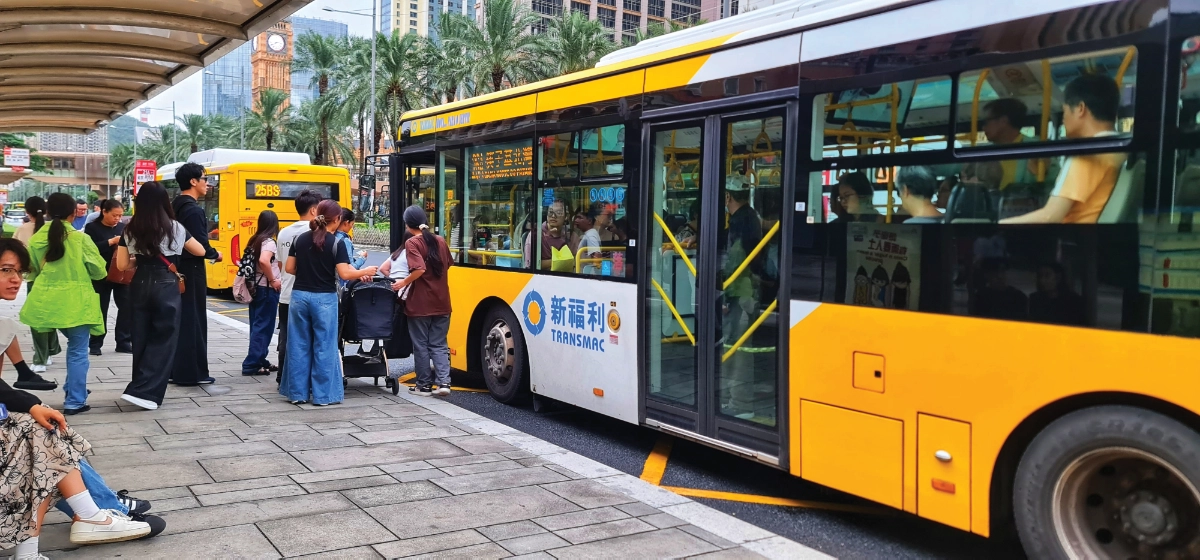
“Establishing a dedicated dialysis hotline to escort patients home directly alleviates their suffering and encourages them to continue treatment”, he explained. “This service is also a very worthwhile social responsibility project for leisure businesses, offering immediate results.”
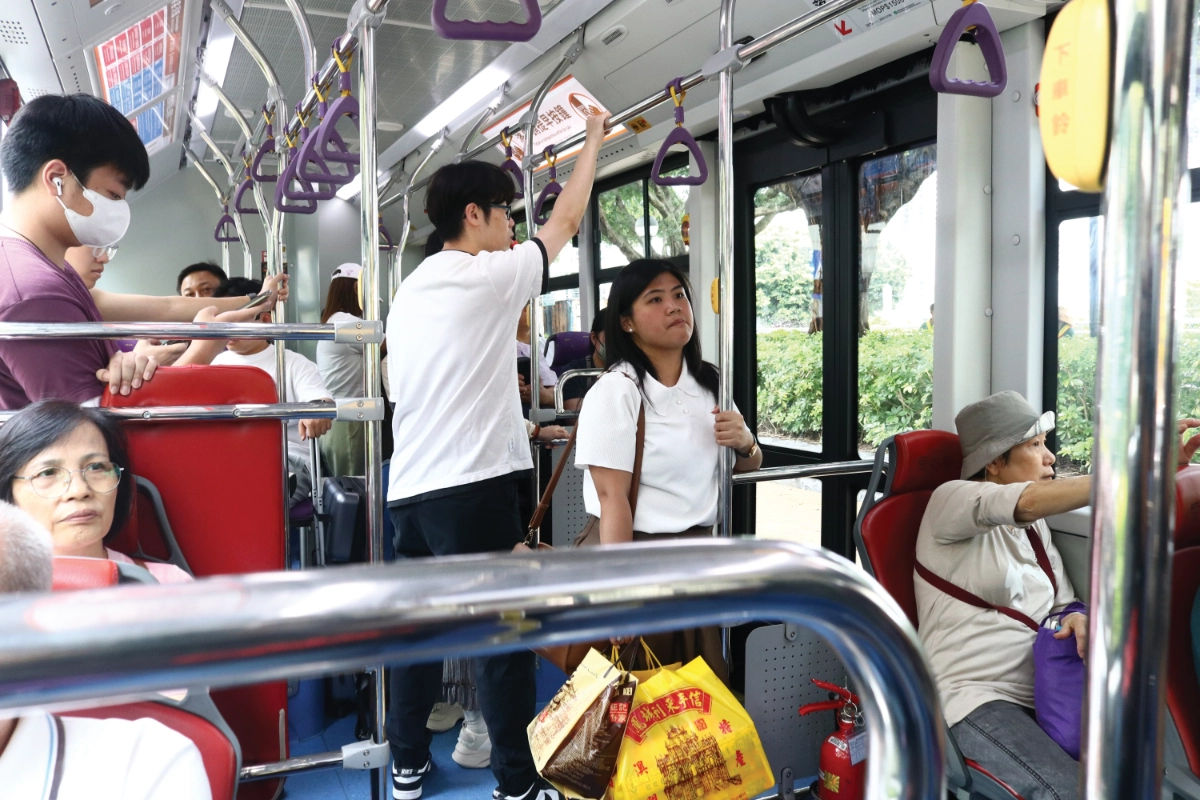
Regarding services for the elderly, Pan pointed out that meal delivery services differ from typical elderly canteens; they target elderly people living alone with limited mobility. However, government public services are often limited by rigid eligibility criteria such as low income.
“Some people may not meet the eligibility criteria for government funding, but they do have service needs”, Pan explained, adding that this is precisely where NGOs can play a role.
Future outlook: Towards a resilient society
Macau’s social welfare services have evolved from “ensuring survival” to “protecting quality of life” and are now moving towards broader and more diversified development. Currently, the SAR government is actively promoting more generous maternity and paternity leave systems through legislative amendments, aiming to ensure a dynamic balance between the labor market and family responsibilities from a legal perspective.
Notably, several large enterprises in Macau have taken the lead in independently launching more competitive family-friendly measures, voluntarily increasing maternity leave and paternity leave. This is not only a concrete practice of CSR but also strong support for the government’s population policy and talent retention strategy.
Looking to the future, the ultimate goal of social care is to build a resilient society. This means that when individuals face sudden crises such as unemployment, illness or family changes, social networks can act as a spring to provide a buffer, helping individuals regain their footing.
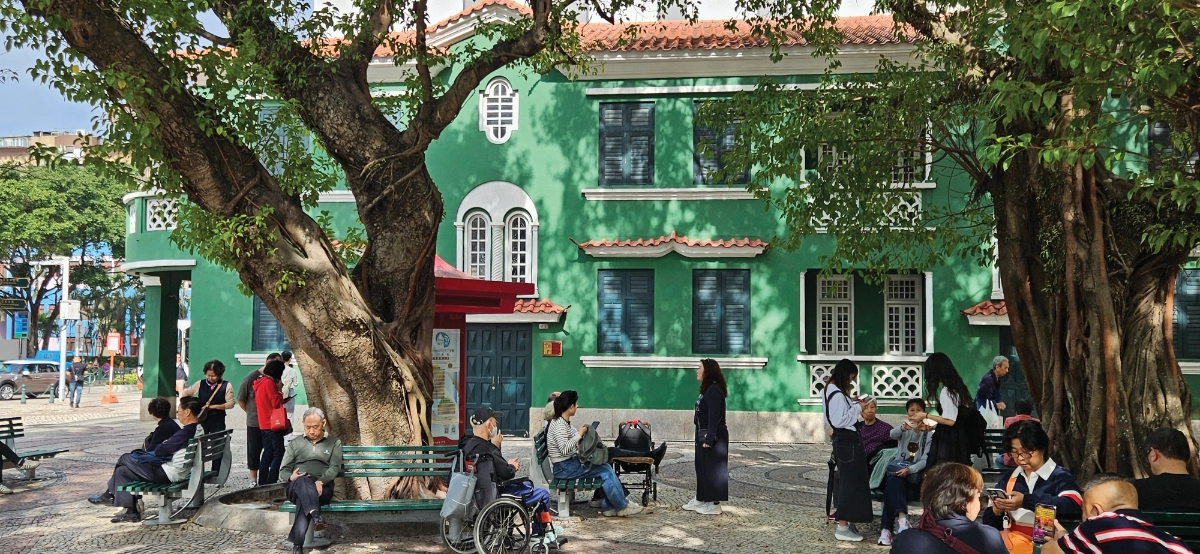
Macau is currently facing the challenges of demographic shifts and the ongoing social problems of a super-aged population. A welfare society for the future should not merely be about the redistribution of fiscal surpluses or simple economic subsidies but should be transformed into a dynamic support system with foresight and resilience, allowing diversified social development to continue.