- Sands China has launched the inaugural Sands China Responsible Gaming Youth Talent Development Programme.
- The program is the first to employ an “industry-academia-community” partnership model, further cultivating future talent for the sustainable development of Macao’s integrated tourism and leisure industry.
To align with the Macao SAR Government’s policy direction on responsible gaming, Sands China Ltd recently launched the inaugural Sands China Responsible Gaming Youth Talent Development Programme under its Responsible Gaming Academy.
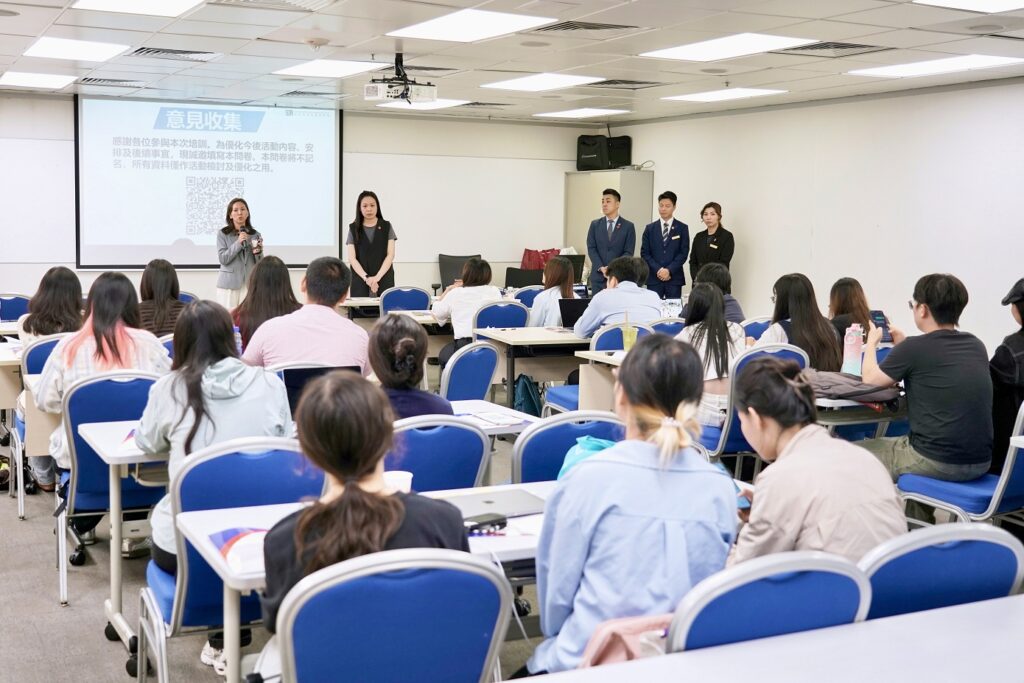
Targeting students from the University of Macau (UM), the program marks the company’s first industry-academia-community collaboration model in its responsible gaming initiatives, bringing together Sands China’s industry expertise, UM’s Institute for the Study of Commercial Gaming (ISCG) and the community engagement experience of the Youth Volunteers Association of Macau (AJVM).
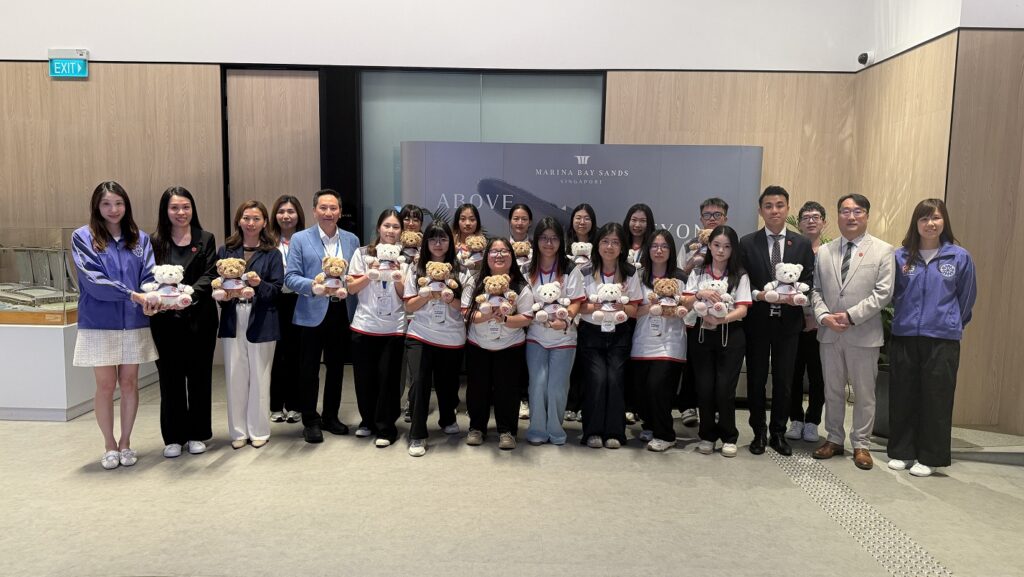
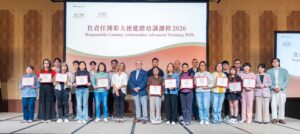
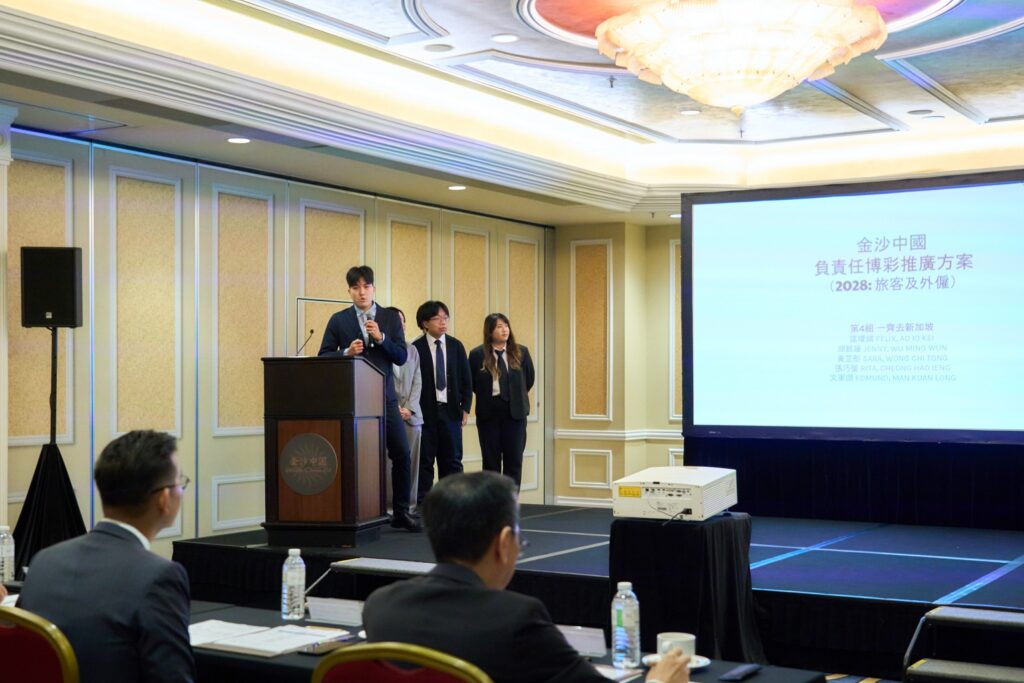
The program received an enthusiastic response, with around 150 UM students expressing interest. After a rigorous selection process, 32 students were admitted to the training phase where they worked in groups to develop a range of innovative responsible gaming promotion proposals. Their ideas covered school and community outreach, experiential learning, social media promotion, digital engagement tools and financial education.
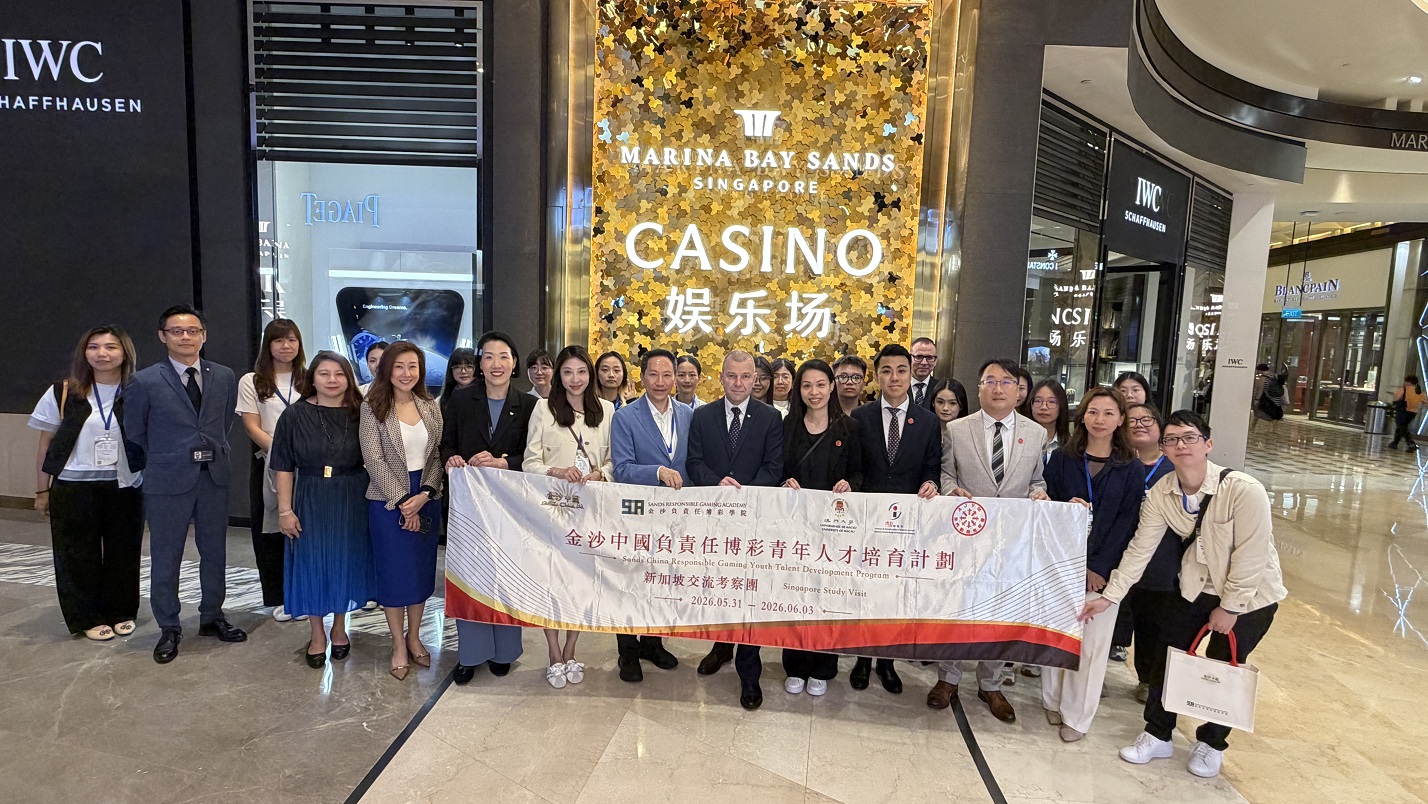
Following the proposal review session, a 23-member delegation comprising representatives from the three sectors and outstanding students was selected to travel to Singapore for a four-day study tour from 31 May to 3 June.
During the visit, the delegation toured Marina Bay Sands, the National Council on Problem Gambling (NCPG) and WE CARE Community Services for in-depth exchanges to learn more about Singapore’s practices in responsible gaming governance, customer support, public education and community networking.
Sands China said the program also fostered cross-sector exchange among Sands China, ISCG and AJVM. Through the students’ proposals and the Singapore study tour, the three parties were able to gain insights from youth perspectives, community needs, academic research and cross-regional practices, offering valuable reference points for future responsible gaming education, community outreach and youth talent cultivation.