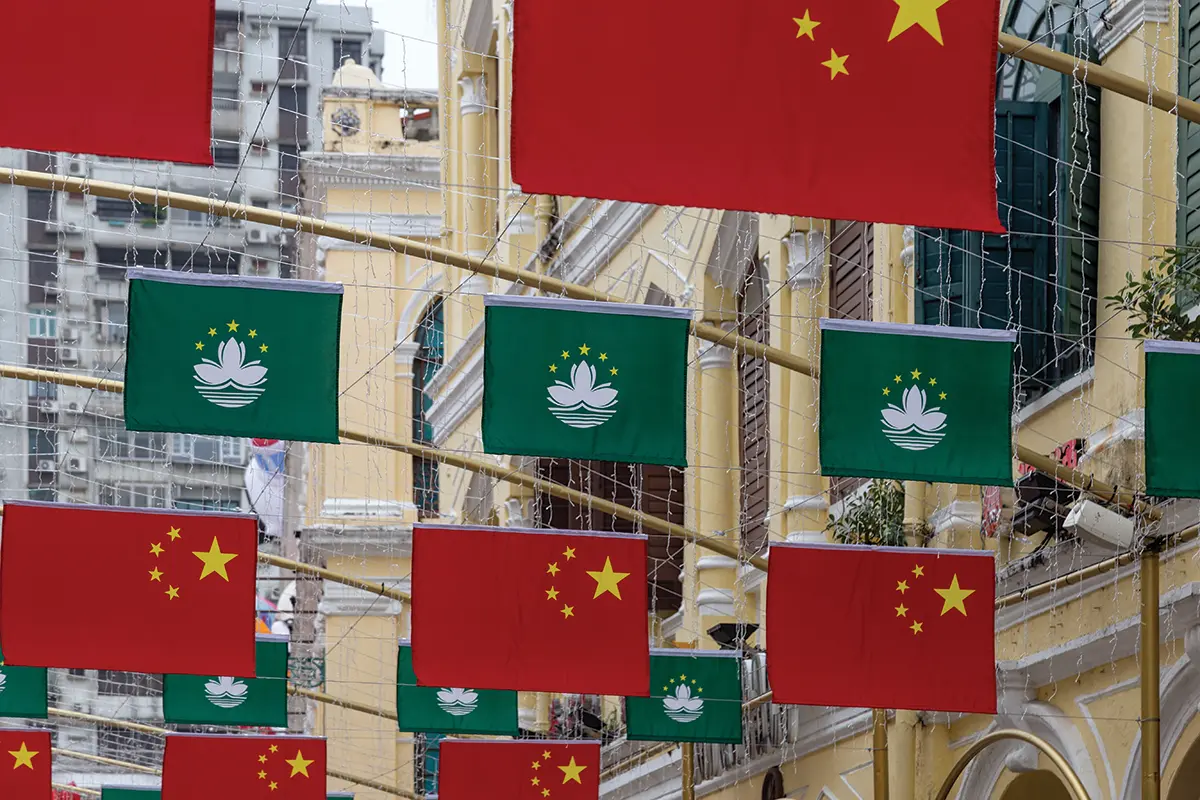
The bond between mainland China and Macau continues to grow ever stronger, highlighting the importance of patriotism towards the motherland.
As a successful model of the “One Country, Two Systems” principle, Macau has long demonstrated a deep-rooted sense of patriotism and love for the city. This sentiment is embedded in Macau’s historical and cultural heritage, policy direction and social atmosphere, serving as a crucial foundation for the city’s stability and prosperity. After China in 2024 celebrated the 75th anniversary of the founding of the People’s Republic of China and the 25th anniversary of Macau’s return to the motherland, this edition of New Macau explores the patriotic sentiment that defines Macau.
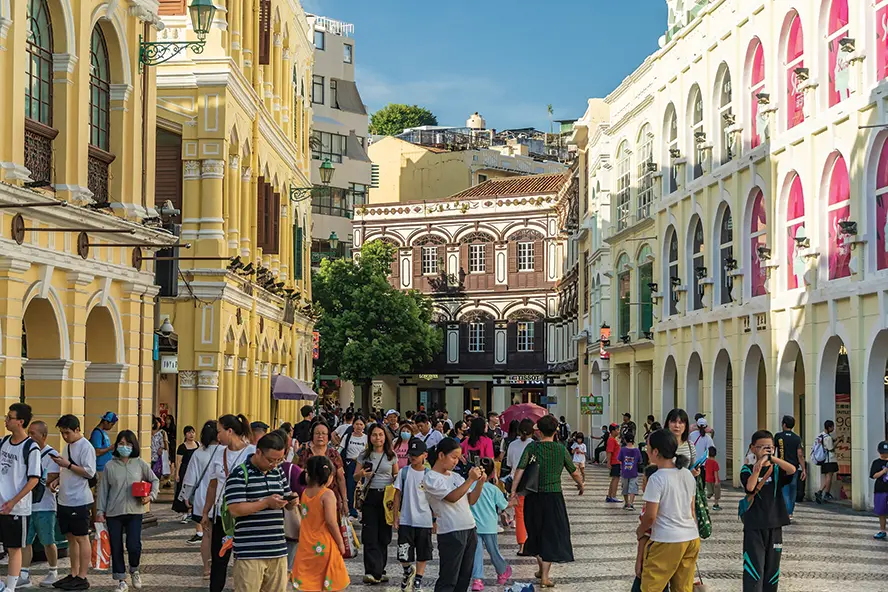
The formation of Macau’s strong patriotic sentiment is attributed by some to historical accumulation, while others view it as a result of policy support and educational initiatives. Before the handover, Macau’s Chinese community exhibited a strong sense of patriotism in various historical events, with the most notable being the “12-3 Incident” in 1966. This event marked a significant stand against colonial oppression and laid a solid foundation for the patriotic spirit that continues to shape Macau’s society today.
25 Years of economic prosperity and stability
On the eve of Macau’s return to the motherland, the city faced economic downturns, social instability and security concerns, leaving its residents anxious for change. The local Chinese community longed for reunification with the motherland to bring social harmony and stability. As anticipated by the people, since Macau’s return in 1999, the city has upheld the principles of “One Country, Two Systems”, “Macau people ruling Macau” and a high degree of autonomy. With strong support from the central government, Macau has achieved sustained stability and economic growth.
A pivotal moment in Macau’s economic transformation came in 2003 when the central government introduced the Individual Visit Scheme (IVS), which triggered rapid economic growth. This marked the first major milestone in Macau’s development. Subsequently, Macau engaged in further regional cooperation agreements with the central government, including the Mainland and Macau Closer Economic Partnership Arrangement (CEPA) and the Agreement Concerning Amendment to the CEPA Agreement on Trade in Services (Amendment Agreement). These agreements reaffirmed the central government’s unwavering support for Macau’s economic development.
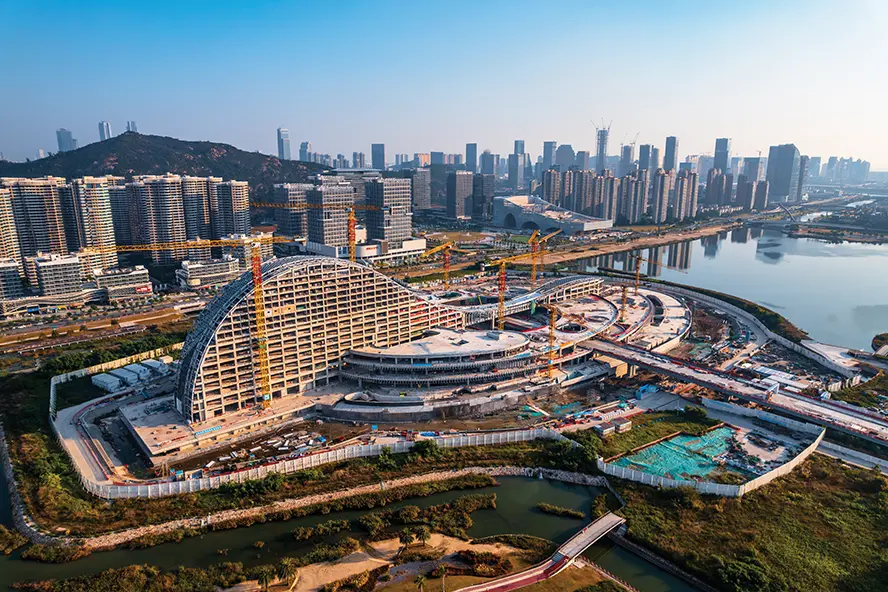
The COVID-19 pandemic posed significant challenges to Macau’s economy, reinforcing concerns about the long-term sustainability of a single-industry economic structure. Recognizing this, society has increasingly called for economic diversification to secure Macau’s future. In response, the central government has actively supported the city’s efforts to diversify its economy.
On 5 September 2021, the Master Plan of the Development of the Guangdong-Macao In-Depth Co-operation Zone in Hengqin was approved by the State Council. This initiative facilitates collaboration between Macau and Guangdong Province to develop the “Guangdong-Macao In-Depth Cooperation Zone in Hengqin”, fostering industry diversification. Through Hengqin, the plan aims to attract external enterprises while enabling Macau-based businesses to expand beyond the city, offering a wealth of opportunities for Macau residents.
Macau has also fully implemented the central government’s directives by advancing its “1+4” appropriate diversification development strategy, focusing on integrated tourism and leisure while facilitating the development of four nascent industries, namely: the “Big Health” industry; modern financial services; high and new technology; and convention and exhibition, sports and the commercial and trade industries. These efforts are paving the way for more diversified and high-quality economic development in Macau.
Education as a key pillar
Beyond economic support, the SAR government has continuously promoted patriotism and national identity, particularly among young people. This emphasis on national consciousness and patriotic education has laid a strong foundation for Macau’s deep-rooted love for the motherland.
Legislative Assembly member and Principal of Pui Ching Middle School, Kou Kam Fai, believes that education is the key to fostering patriotism, helping students develop a correct value system and nurturing Macau’s future generations with a strong sense of national identity.
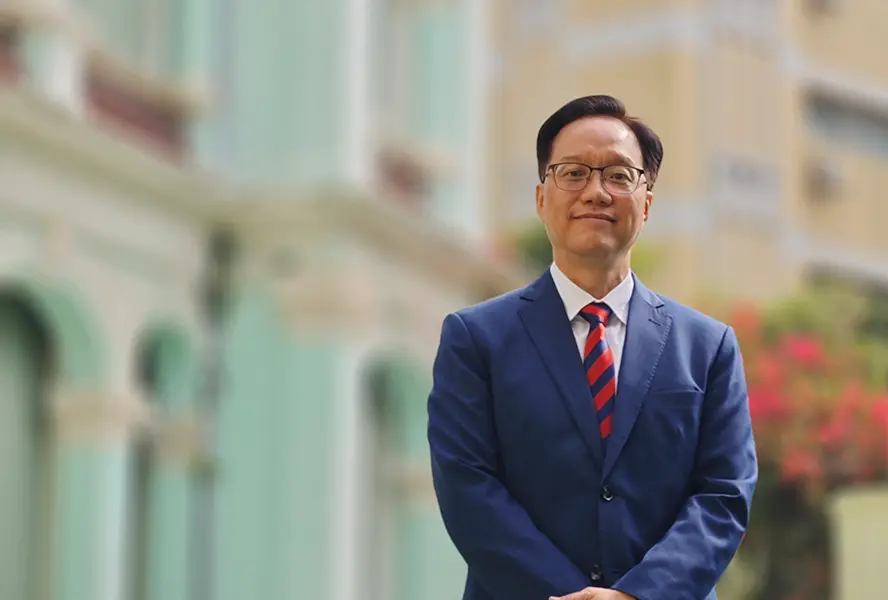
“The Law No.9/2006 – Fundamental Law of Non-tertiary Education System explicitly defined the objectives of patriotic education, and since then, school-based patriotic education has yielded significant results,” said Kou. He noted that activities such as flag-raising ceremonies, history and cultural studies, constitutional and Basic Law education and national study tours have helped students gain a deeper understanding of Macau’s close ties with the nation.
“In the 25 years since the handover, the central government has provided extensive support and preferential policies for Macau, significantly strengthening students’ sense of patriotism and national identity,” Kou explained.
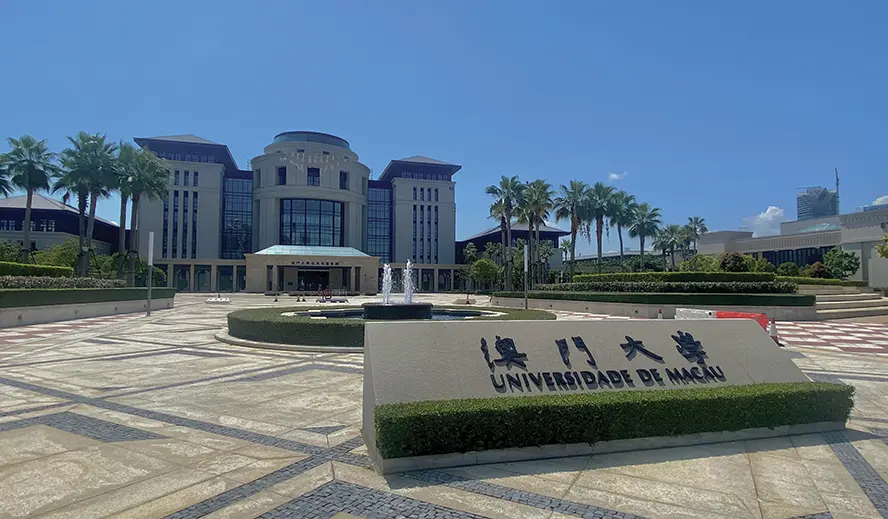
He also pointed out that to address Macau’s shortage of land for tertiary education and the constraints on institutional development, the central government allocated land in Hengqin for the University of Macau, allowing the university to expand and enhance its academic offerings. In recent years, the global rankings of Macau’s universities have risen rapidly, a testament to the central government’s unwavering support.
“The central government has also increased the number of guaranteed admissions for Macau students to mainland universities,” Kou said.
“Last year, more than 1,300 Macau students were admitted to mainland universities under the direct admission scheme, accounting for nearly one-third of the city’s graduating high school students.”
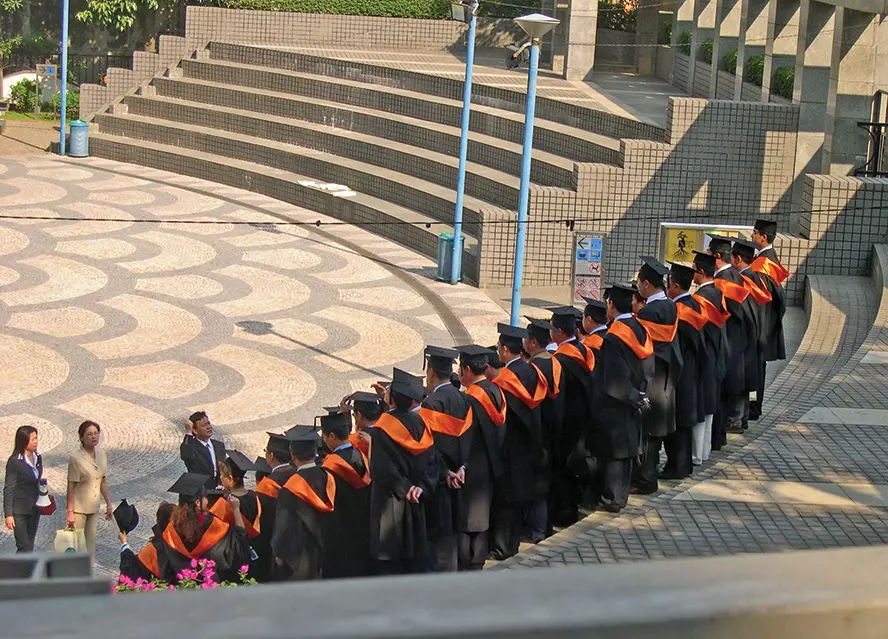
The central government’s strong support for Macau’s education sector has played a crucial role in fostering patriotism among students. Meanwhile, the Education and Youth Development Bureau has launched the “Love the Country, Love Macao Educational Base for the Youth”, providing students with more opportunities to explore the country’s history, culture and achievements. Through exhibitions, courses and interactive activities, students gain firsthand experience, further strengthening their national identity and sense of pride in their Chinese heritage.
Patriotism in organizations and enterprises
Patriotism is deeply embedded across various sectors of Macau society. As a “city of associations”, Macau’s civil organizations have long upheld the principles of love for the motherland and love for Macau. Since the “12-3 Incident” in 1966, local associations have laid a strong foundation for patriotic values, actively participating in the drafting and implementation of the Basic Law, thereby playing a vital role in maintaining Macau’s social harmony and stability.
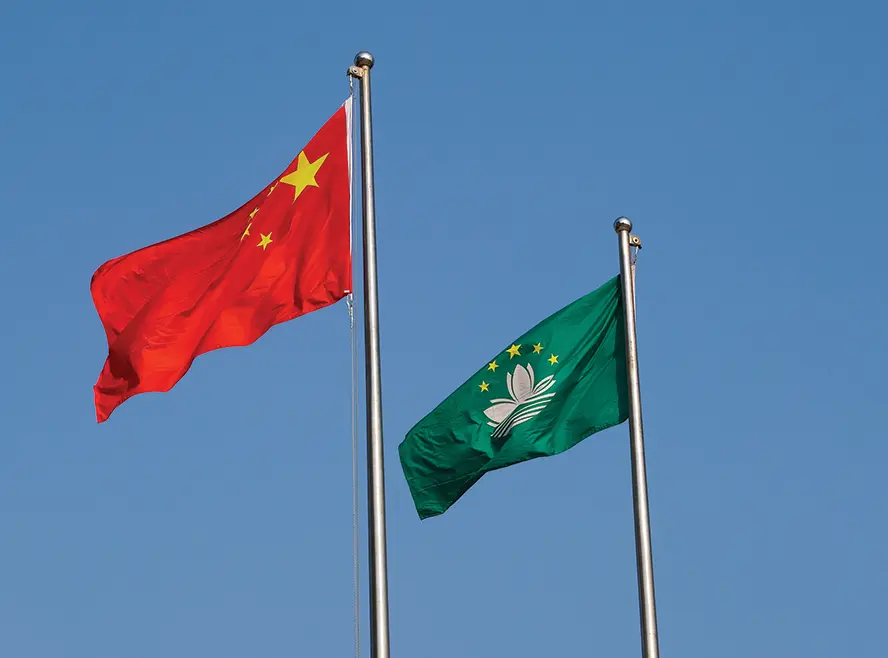
Since the handover, local associations have continued to organize a wide range of patriotic activities, including regular flag-raising ceremonies and annual exchange visits to mainland China, allowing residents to witness the country’s rapid development firsthand. These initiatives have not only deepened their understanding of the nation but also strengthened ties with the mainland while fostering a stronger sense of patriotism.
“From a societal perspective, multiple stakeholders must work together to preserve and pass on patriotism,” said Kou. “Associations must organize diverse activities to unite the community, the media should promote positive narratives and families must emphasize patriotic education through both words and actions.”
He further noted that Macau must leverage its unique strengths within the Guangdong-Hong Kong-Macau Greater Bay Area (GBA). By capitalizing on its “One Country, Two Systems” framework, free port status and low tax policies, Macau can further develop into a world-class tourism and leisure center, allowing patriotic values to flourish alongside economic growth.
Macau’s local corporations have also played a significant role in upholding and promoting patriotism. Since 2018, the Macau SAR Government and the Liaison Office of the Central People’s Government in the Macao SAR have co-hosted the “National Security Education Exhibition”, which has now been held for seven consecutive years. In recent years, Macau’s business community has actively responded to the SAR government’s call, organizing employee visits to the exhibition to enhance awareness of national security and development. This initiative has further strengthened patriotic sentiment among employees, reinforcing the importance of safeguarding national interests.
Integrating into national development
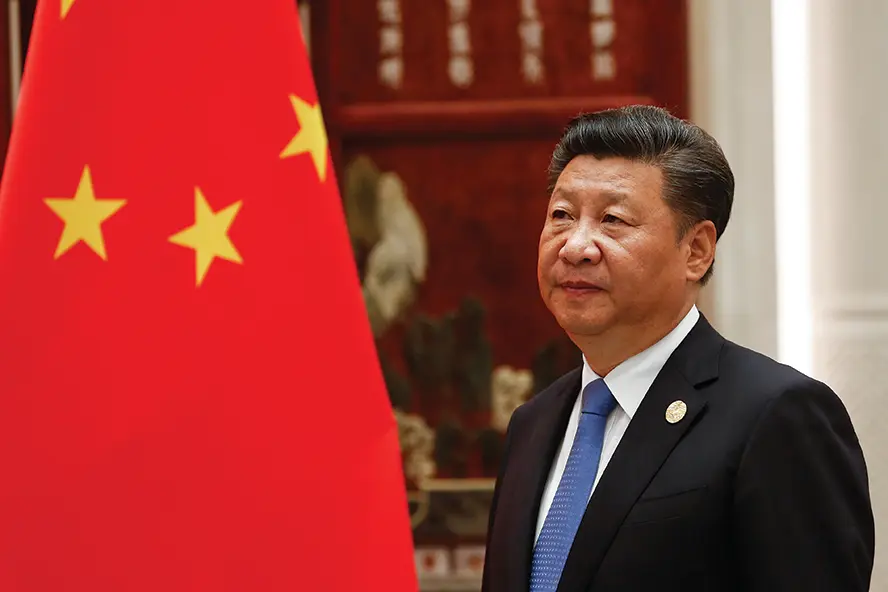
The year 2024 marked the 75th anniversary of the founding of the People’s Republic of China and the 25th anniversary of Macau’s return to the motherland. In this milestone year, President Xi Jinping once again visited Macau, referring to the city as the “Pearl in the Palm” of the motherland, underscoring his continued concern for Macau’s development and the well-being of its residents.
President Xi’s reference to Macau as the “Pearl in the Palm” is not only a reflection of the central government’s deep affection for Macau but also a testament to Macau’s vital position in the nation’s strategic landscape. This recognition serves as a strong affirmation of Macau’s progress over the past 25 years since its return.
Legislative Assembly member Lo Choi In noted that the series of supportive policies introduced by the central government demonstrate Macau’s significance within the nation and reaffirm the central government’s commitment to Macau’s continued prosperity. In response, she emphasized that Macau must actively integrate into the national development agenda and uphold the spirit of patriotism, ensuring that the city continues to thrive in alignment with national progress.
Lo highlighted that in recent years, the central government has introduced various supportive policies for Macau, such as the “Multiple-Entry Visa” scheme and the multi-entry policy for Hengqin-Macau tour groups. These initiatives have strengthened the connection between Macau businesses, residents and the mainland, further solidifying Macau’s significance within the national development framework.
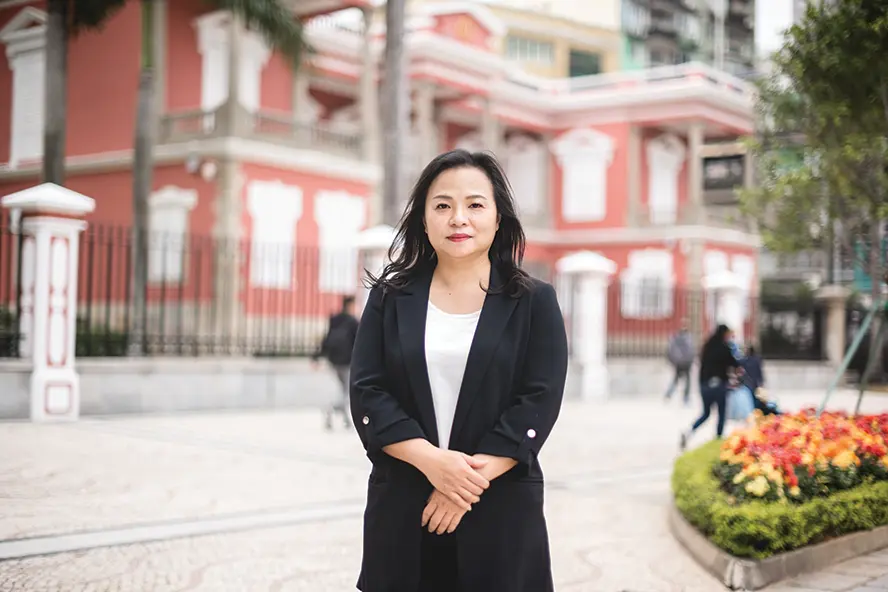
“These policies send a positive signal and have inspired a stronger sense of patriotism among Macau residents,” Lo added. “By encouraging greater participation in Hengqin and the Greater Bay Area (GBA) development, the central government has enhanced Macau residents’ sense of national pride and belonging.”
She emphasized, “Macau companies and citizens should cherish the sense of honor bestowed upon us by the country. Moving forward, Macau residents should take concrete actions to give back, ensuring that the patriotic spirit continues to thrive across generations.”
Patriotism is not only a core value of Macau residents but also a driving force for Macau’s deeper integration into national development and its pursuit of moderate economic diversification. Society looks forward to the continued growth of this patriotic sentiment, fostering a future of shared prosperity and progress between Macau and the nation.