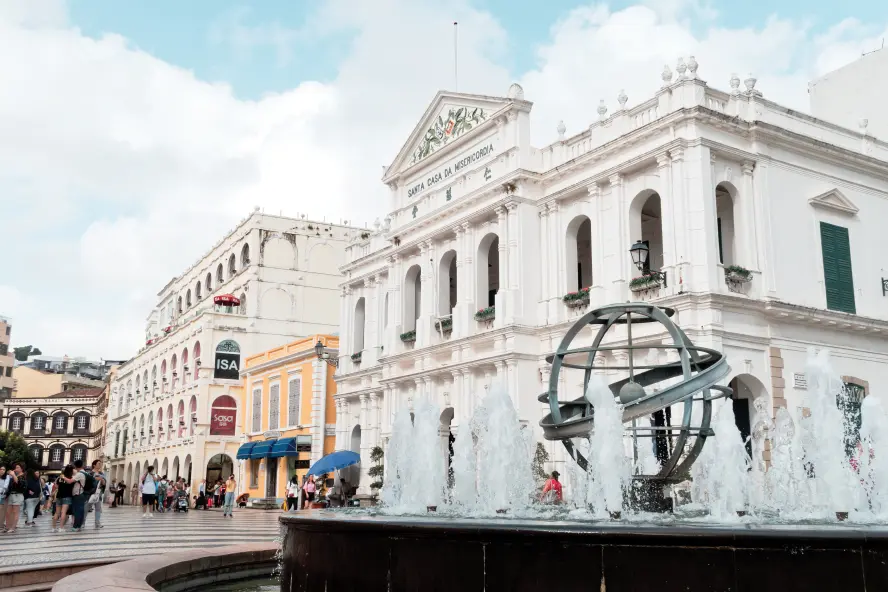
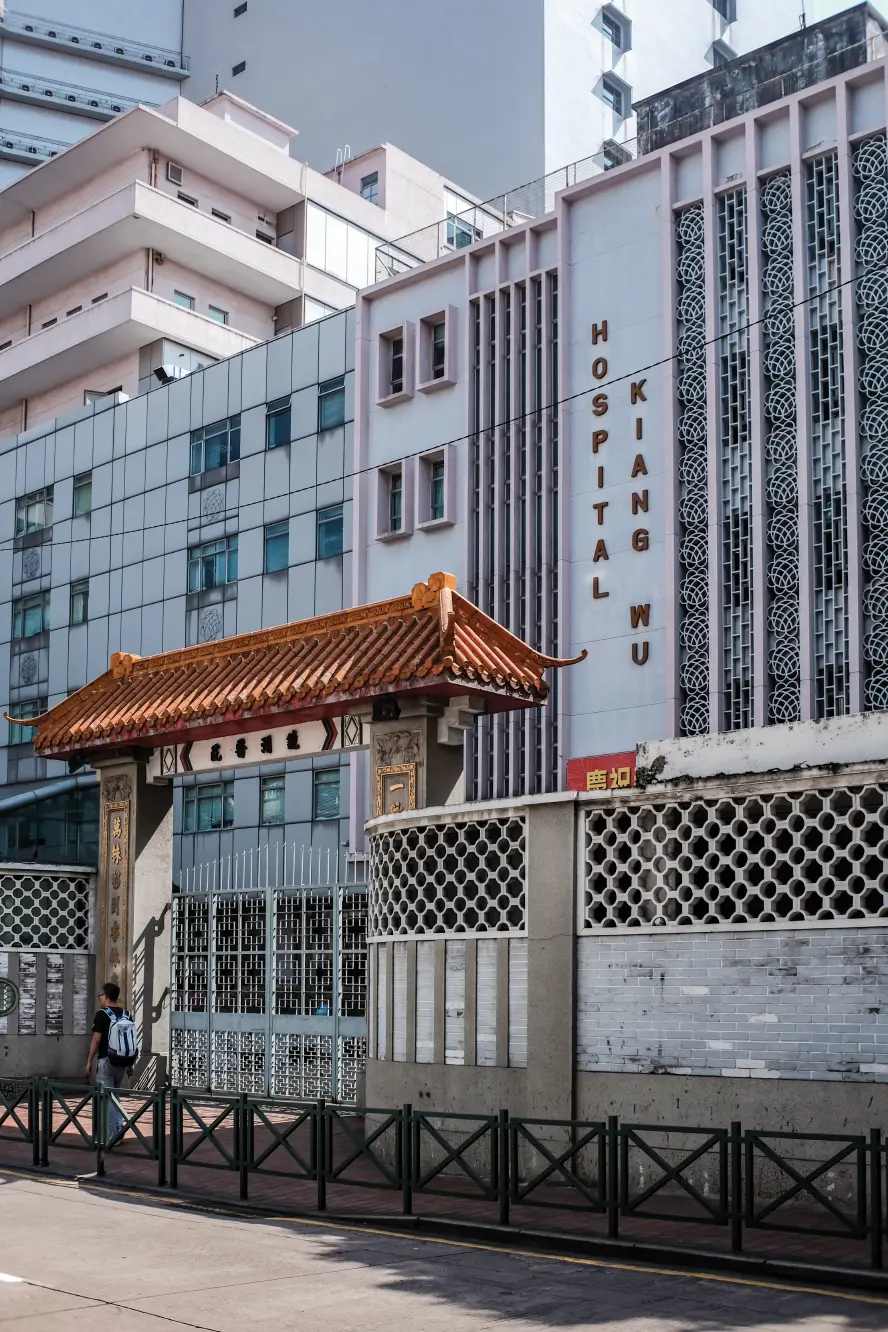
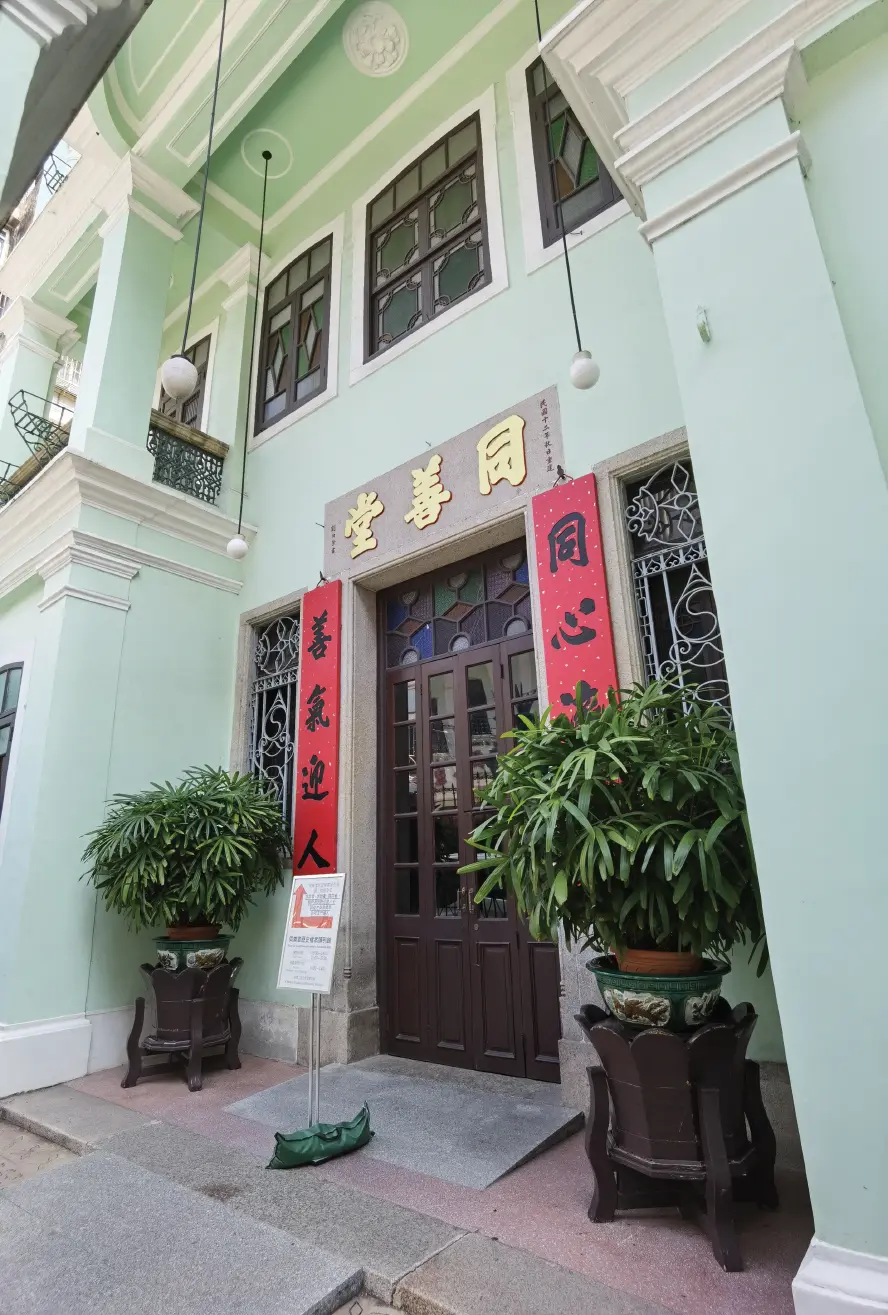
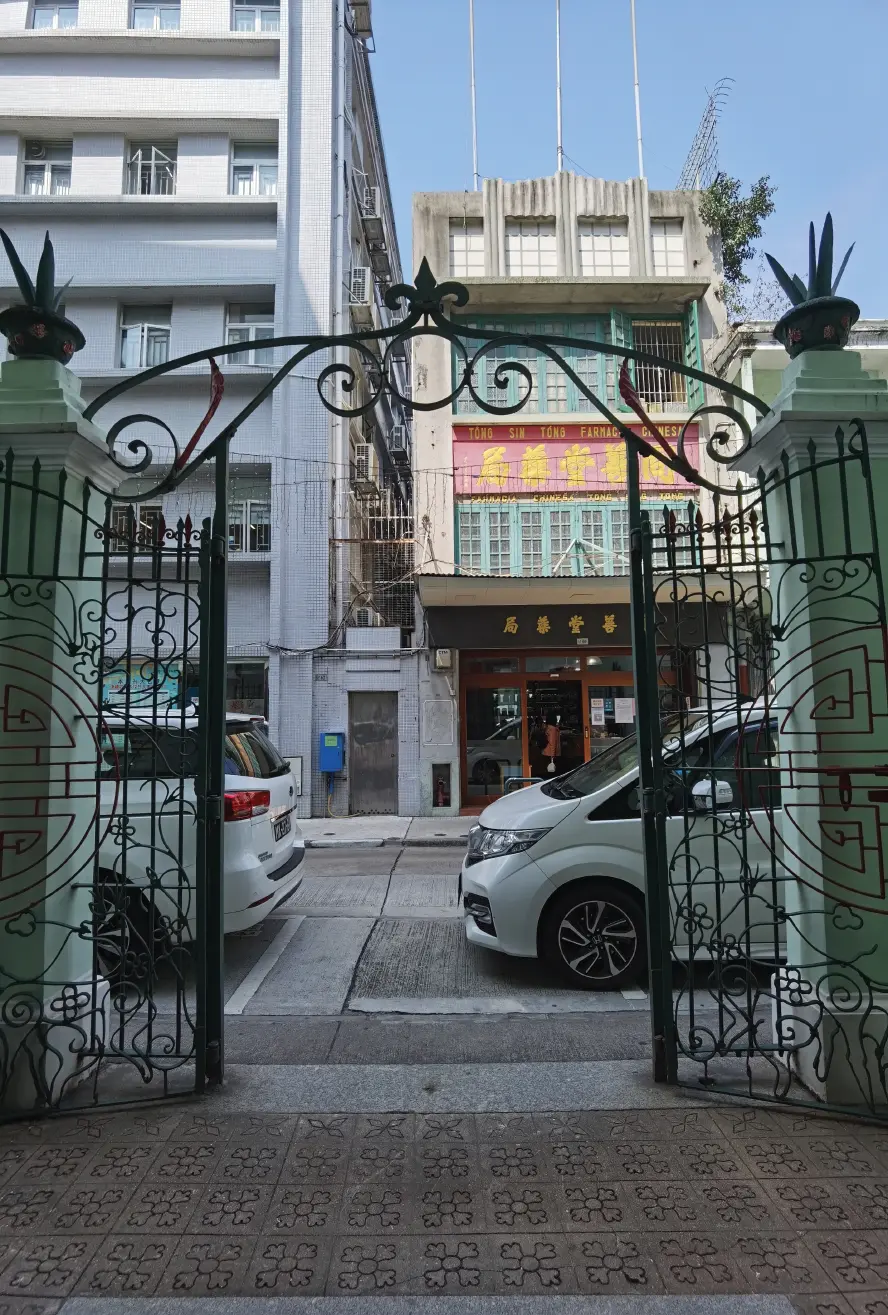
With a history spanning 455 years, Macau Holy House of Mercy was founded in 1569 and was the first Western-style charitable organization in Macau. However, in the early days, Macau Holy House of Mercy’s relief support mainly served Portuguese rather than Chinese. In response, some Chinese merchants started to establish Chinese charitable organizations in the mid-nineteenth century. Some of the more famous were the Kiang Wu Hospital and Tung Sin Tong, founded in 1871 and 1892 respectively.
Regardless of Western or Chinese style, these organizations were founded over 100 years ago and have been responsible for helping the weak and the needy in Macau since the last century. With the rapid development of Macau’s community after the handover in December 1999, charitable activities have gradually shifted from the purpose of relief to promoting public welfare social services. The major responsibility of social services has been distributed from traditional large-scale charitable organizations to three major sectors, which are the SAR Government, corporations and social associations.
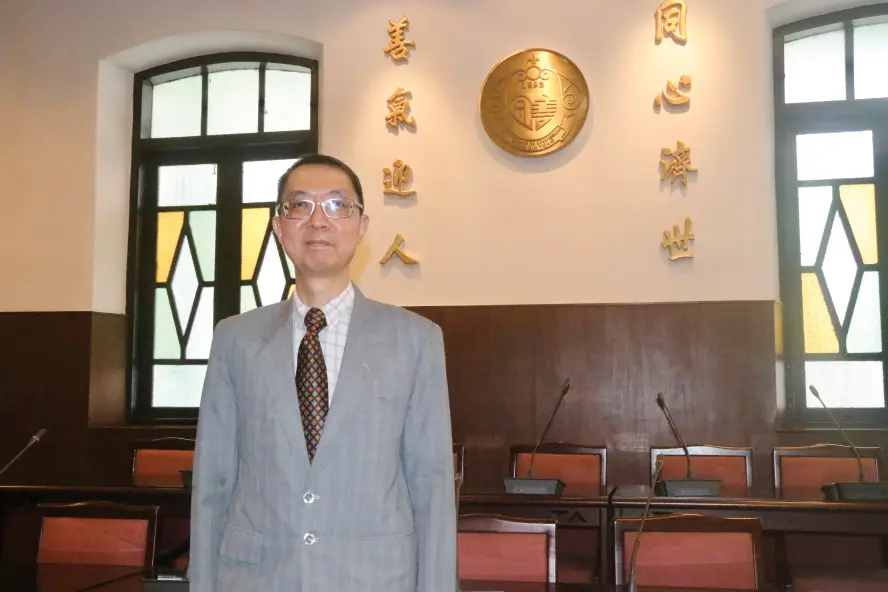
Ma Iao Iao, Vice Chairman of Tung Sin Tong, believes that Macau’s charitable services are constantly updating with the times and in line with the development of society.
“The charitable system in Macau is well established, but still faces challenges because the needs of the disadvantaged groups will change as society changes,” he said.
Two-tier Dualistic Structure
Macau is known as a “city of social associations”, and social associations play important roles in the provision of social services. They act as a bridge between residents and the government and reflect the needs of the people on behalf of public interests. According to the government’s Official Gazette, the number of social associations in Macau currently stands at 1,546. Their services range from providing free medicine and drugs to elderly services, youth work and stray animal rescue.
Social associations usually adopt a two-tier, dualistic structure for management. At the top, a corporate body of the association is mainly responsible for raising funds and recruiting volunteers, while at the bottom are varied charitable and public welfare institutions providing specific charitable services and managed by the association.
Cheng Cheuk Ming, President of the Macau Association of Professional Services for Social Work and Elderly, says social associations are deeply rooted in Macau’s culture.
“Works for youth, childcare and elderly services are all undertaken by social associations, therefore, the government mostly tilts its resources towards them,” said Cheng, who has been involved in social services in Macau for more than 30 years.
As social associations are the main entities for social services and charitable activities in Macau, funding and resources from the government and corporations are mainly devoted to those institutions operating under them. Cheng said that this was a Macau characteristic because other jurisdictions seldom invest significant resources into social associations. However, in comparison with other regions, operations of Macau’s social service associations are relatively stable.
According to figures from the Macao Foundation, grants to Macau’s social associations in 2023 totaled more than MOP 794 million, an increase of 60% compared to 2022.
Symbiotic Relationships
Although social associations comprise an indispensable sector in the community, their development is constrained by various factors such as resource dependency and policy changes. During the development of charitable activities, the government, as a policymaker, creates a favorable development environment for social service associations and promotes public welfare activities through funding. Effective governance can enhance the operational efficiency of enterprises and social associations.
Corporations also play an important role in the development of charities. In addition to contributing tax revenue to the government, some large corporations in Macau also give back to the community through Corporate Social Responsibility (CSR) initiatives, as well as making personal grants and donations. These kinds of corporations not only support the government financially but also actively participate in social responsibility activities, giving back to the community by funding charitable projects, community development and education programs.
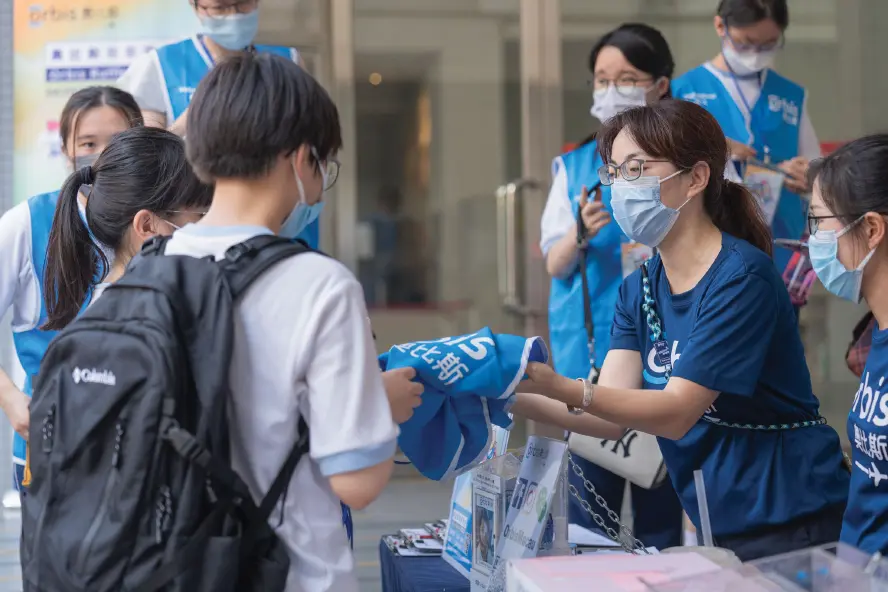
Mr Ma describes the relationship between the government, corporations and social associations as “symbiotic”, with all three supporting each other.
“Over the years, we have adapted our philanthropic initiatives in response to changes in the social environment and have developed a symbiotic relationship with corporations and the government,” he pointed out. Ma added that the government needs non-profit-making charitable associations to fill gaps in public services, while corporations need these social associations to enhance their social responsibility and brand image.
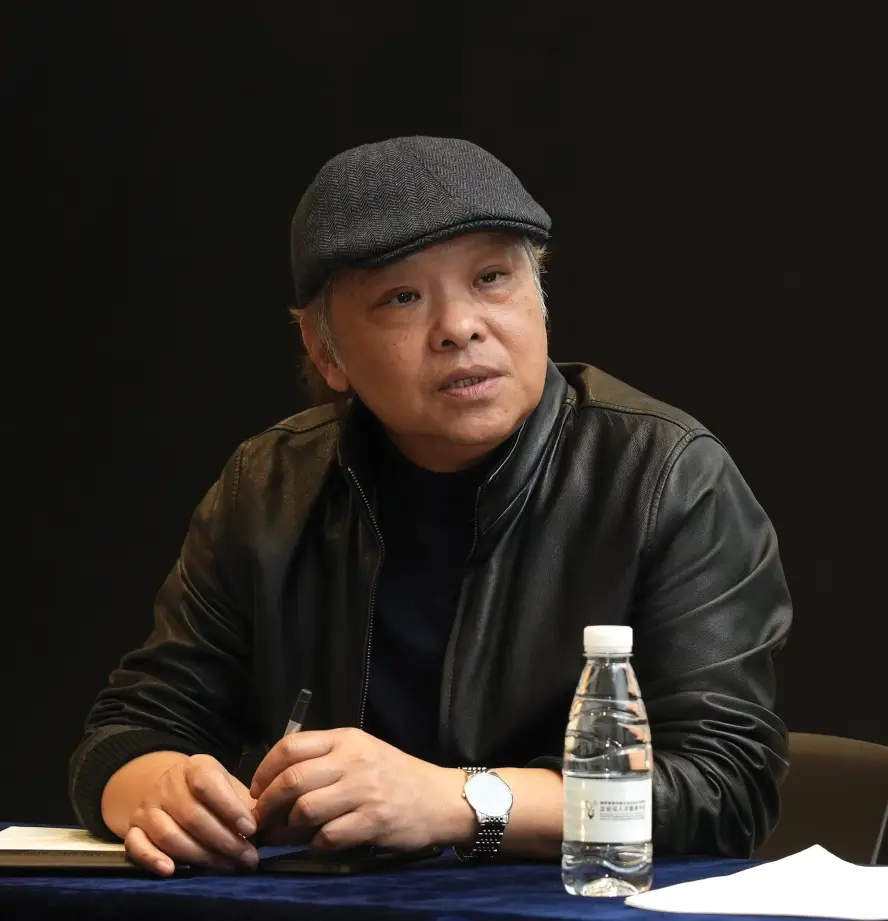
Caritas Macau’s Executive Director, Pun Chi Meng, believes that the community is striving to promote non-gaming elements. This initiative enhances the community’s participation in charities and is in line with the current needs of charity development.
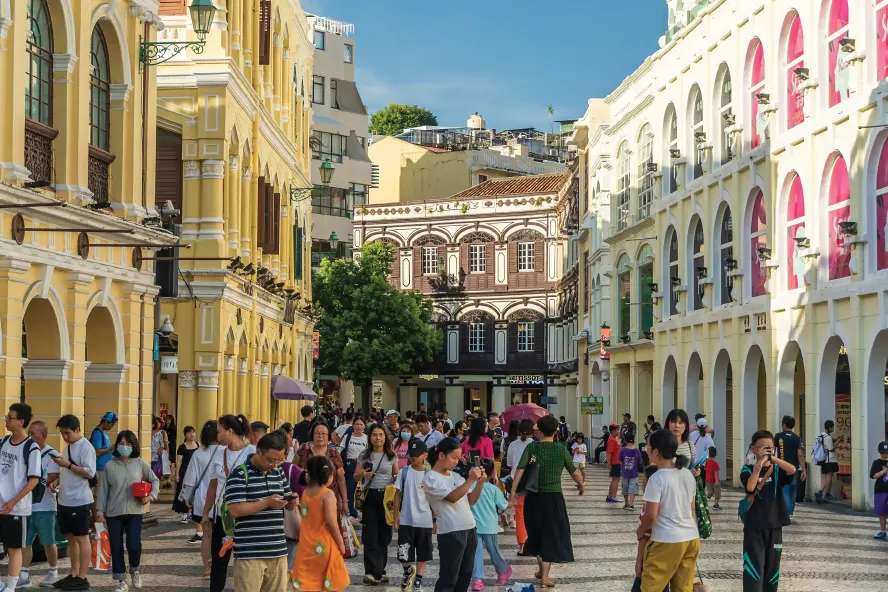
“With the community’s emphasis on non-gaming activities, more and more enterprises are actively participating in charitable endeavors, creating a favorable social atmosphere,” Pun stated.
This change not only reflects the public’s emphasis on social responsibility but also promotes the diversification of various charitable activities. With the increase in resources, charitable organizations are better able to meet the needs of the community, especially in focusing on the underprivileged and social services.
Future Development
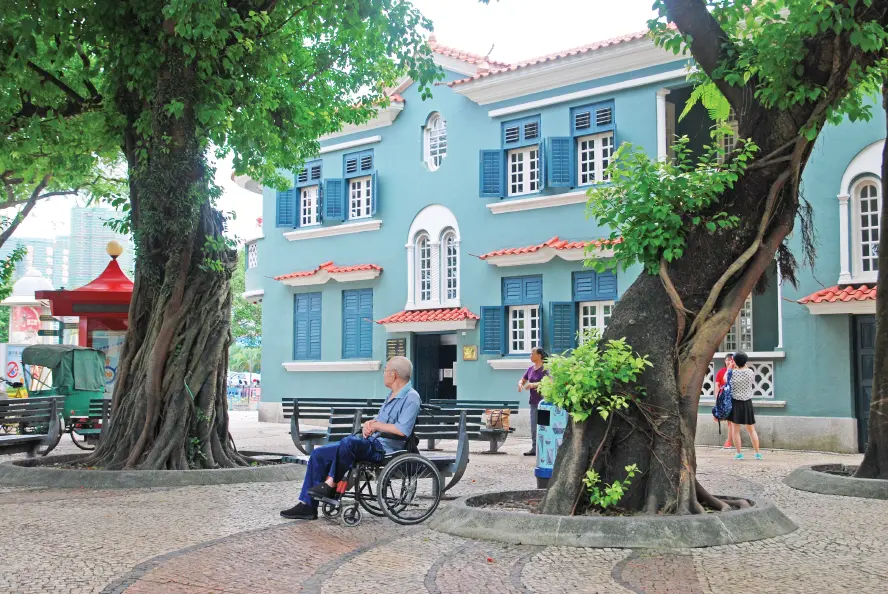
The development of social services in Macau is progressing with continuous investment from the government and corporations. However, the community has generated rapidly changing demands of charitable services. As the economy grows and social structure transforms, expectations of charitable activities are no longer limited to traditional relief and subsidiary services, but are more concerned about the sustainability and diversity of services.
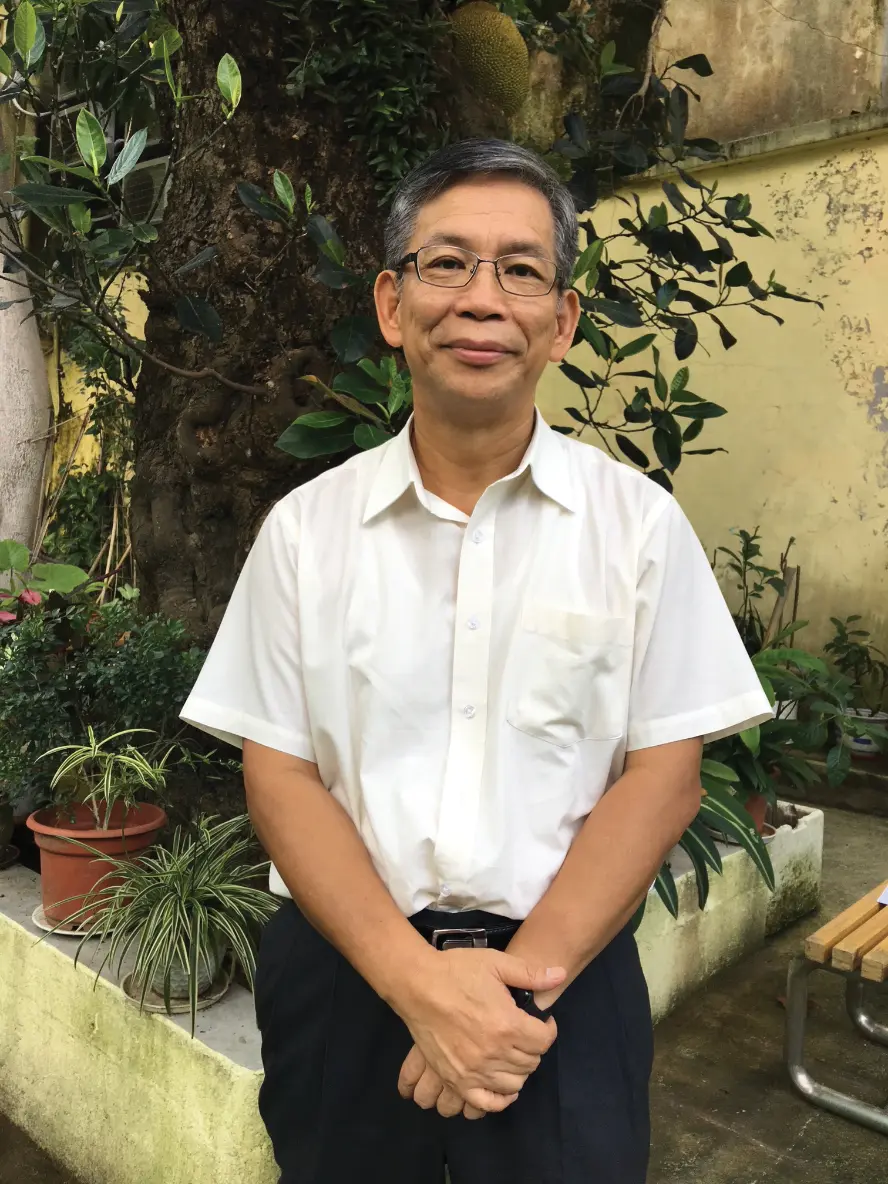
Ma pointed out that in recent years, large corporations have been actively collaborating with non-profit associations, and Tung Sin Tong has benefited from this collaboration to promote the traditional culture of Chinese medicine.
“Multiculturalism gives the association an edge in development, such as by allowing the association to participate in convention and exhibition activities organized by corporations to promote Chinese medicine and charitable culture to the outside world,” he said.
Pun, on the other hand, mentioned that support for the elderly, the disabled and the vulnerable is basically in place in Macau, although society still has to be attentive to specific groups such as the “sandwich class” and the elderly living alone. These groups may not meet the low-income criteria but are also in need, so social associations should give more consideration to them.
“In the future, our society still needs to enhance manpower training and service quality, and to strengthen inter-cooperation between institutions so that social associations can present their respective strengths and work together to promote charitable causes,” he emphasized.

The promotion of a diversified economy by the government and large corporations has not only boosted economic growth but also injected new vigor into charitable causes. With the increase in resources and the diversification of social needs, non-profit associations in Macau will be able to better meet the needs of the community, thereby contributing to the sustainable development of the community as a whole. This process will not only strengthen the sense of social responsibility but also enhance the public’s participation in charitable causes and create a positive atmosphere for the community to be philanthropic.