- Ho Choi Tai joined an “Inheritance & Innovation” program on Macau’s cultural heritage.
- Supporting participation in a heritage food workshop, she shared the craft of Macanese Alua.
The Associação dos Comerciantes da Boa Cozinha de Macau (ACBCM) recently recommended member Ho Choi Tai, custodian of the city’s intangible cultural heritage Macanese Alua, to take part in the “Inheritance & Innovation” program organized by the Association for the Promotion of Chinese Ethnic Unity (APCEU) and sponsored by the Cultural Development Fund. She joined the workshop on “Macau as a Creative City of Gastronomy: Heritage Cuisine and Industry Development” where she spoke about the century old craft and its future potential.

Ho, a third-generation inheritor, described the demanding process: three days of fermentation and hours of stirring hot syrup by four people. Her story illustrated that perseverance and courage are essential for keeping heritage alive while adapting to modern challenges. She also shared her journey from entrepreneurship to exhibitions, packaging improvements, pandemic struggles and expanding into mainland China with a new factory. Her vision is to bring the warmth of traditional food to the Greater Bay Area, allowing more people to taste Macau’s unique flavors.
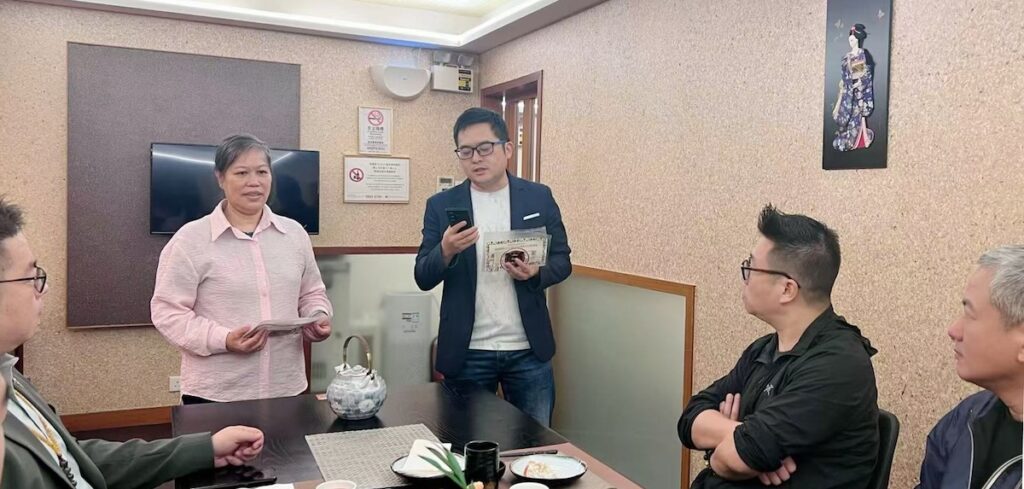
Association President Ho Tsz Kit emphasized that the Macanese Alua becoming part of Macau’s intangible heritage is a vivid symbol of Sino Portuguese cultural fusion. He noted that as a UNESCO Creative City of Gastronomy, Macau must rely on distinctive local foods to sustain its reputation, preserving the city’s culinary identity. Chairman Leong Si Iao added that uncovering more historic and story-rich dishes will enrich Macau’s gastronomic landscape.
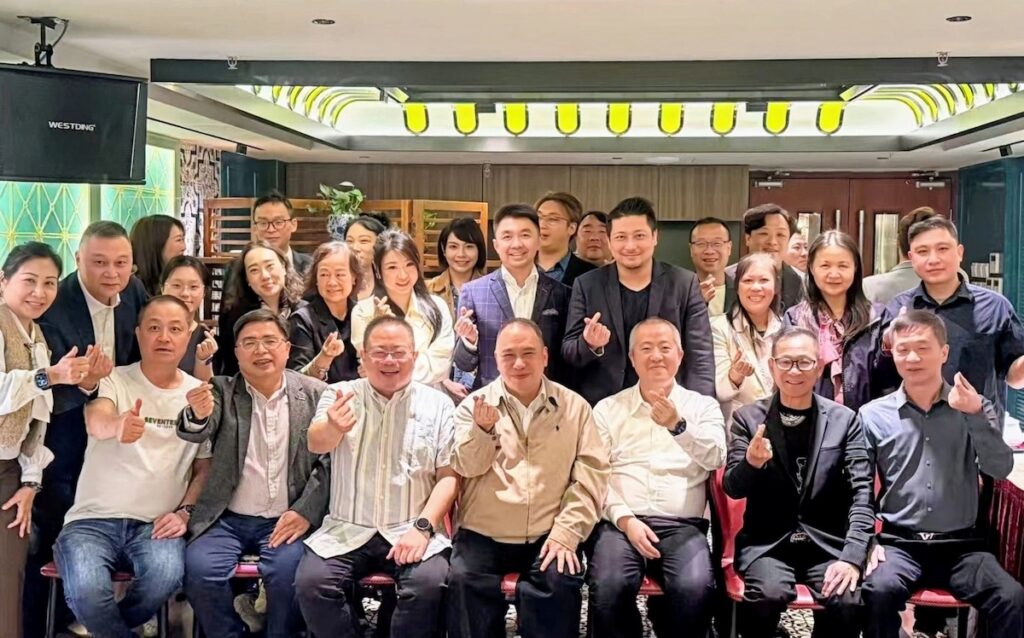
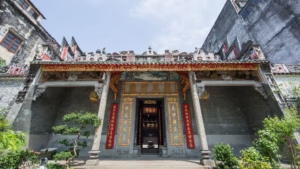
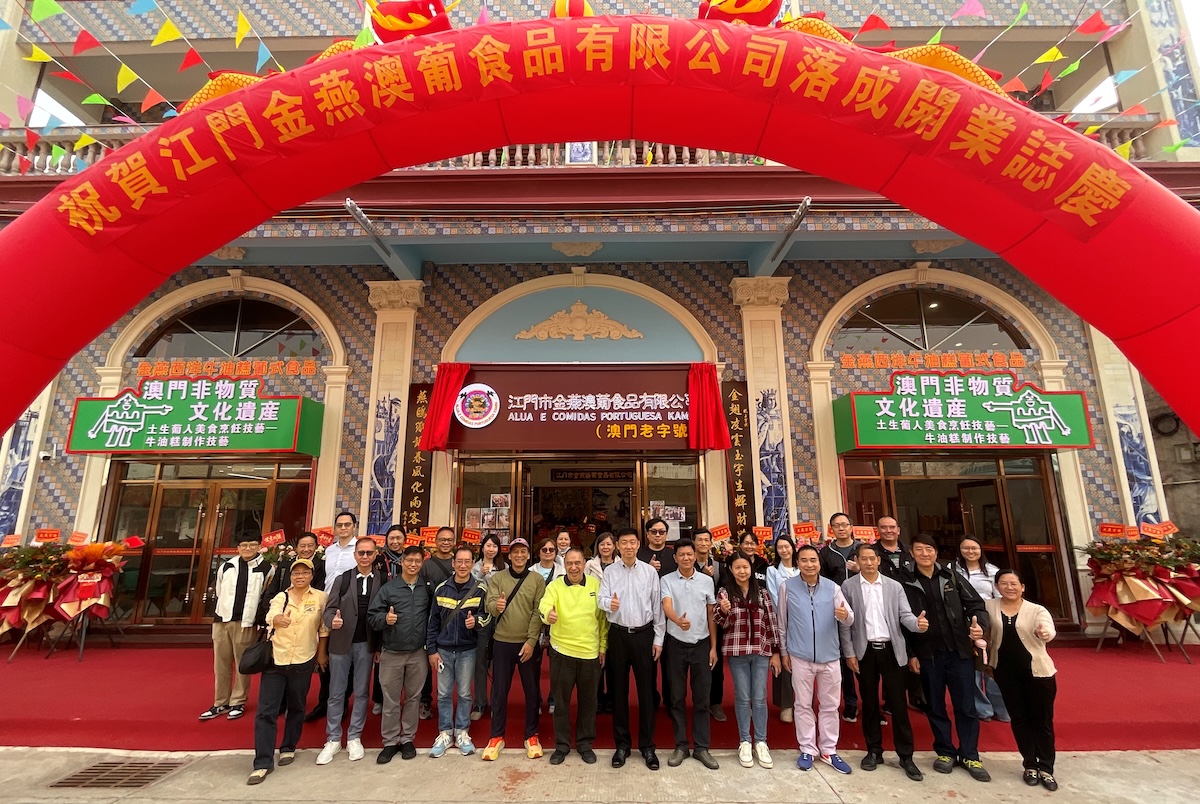
The workshop consisted of two sharing sessions and one field visit, attracting over 30 participants. The program concluded with a tour of the newly established factory in Jiangmen’s Shadi Town, where attendees witnessed how heritage products are moving into brand developments. The experience highlighted the balance between tradition and innovation, reminding participants that behind every dish lies not only flavor but also resilience, history and culture.